


Issue:
June 2025 | Letter From Hokkaido
The celebration of Ainu culture at Expo is to be applauded; it’s a shame it only runs skin-deep.
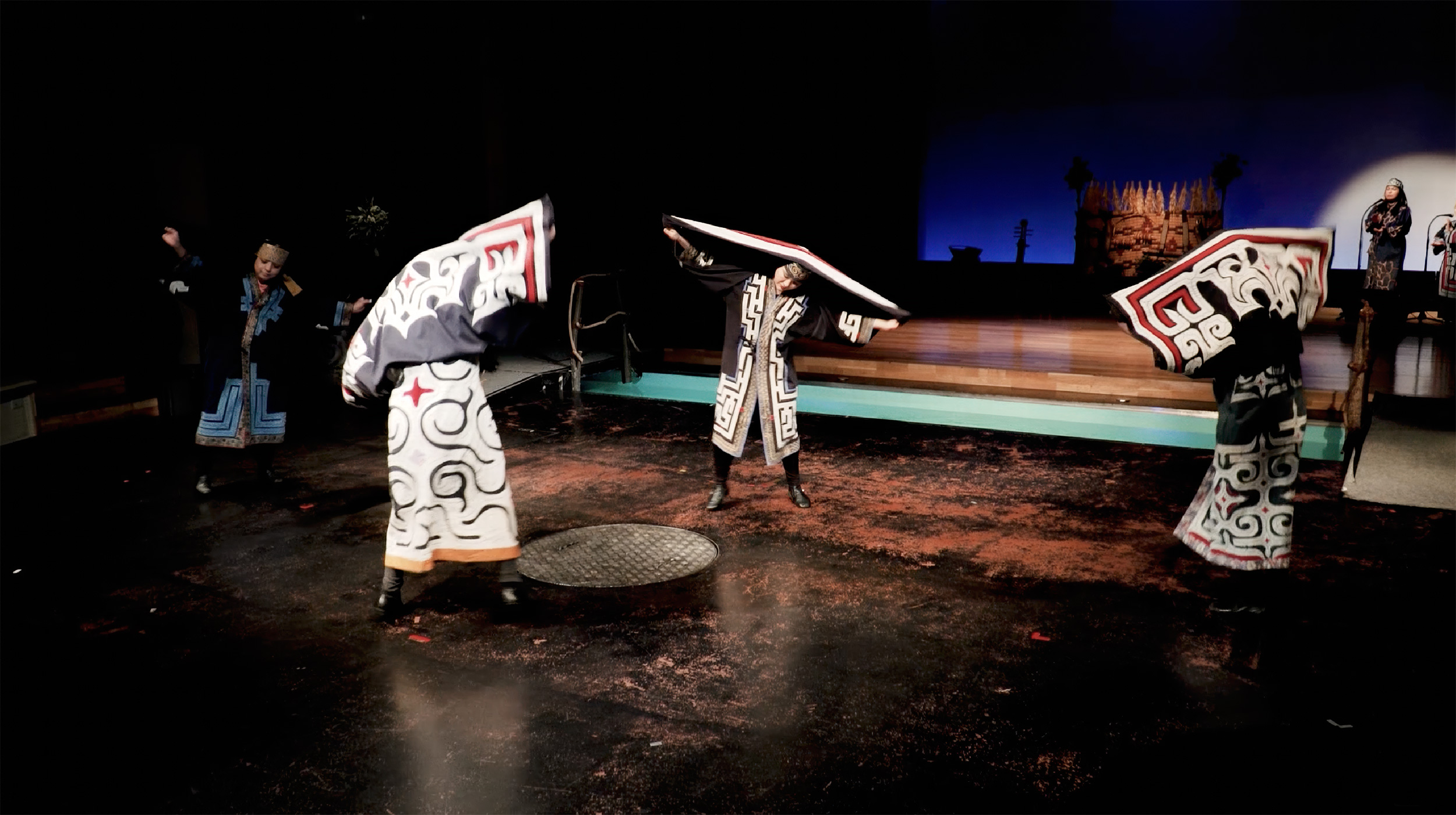
On May 17, the Osaka Expo officially honored Hokkaido’s Ainu people with a demonstration of their traditional culture. The event was aimed at visitors who knew little, if anything, about the Ainu and their customs.
The performances resembled those at the Upopoy National Ainu Museum and Park in Hokkaido, with 24 Ainu groups and about 200 performers presenting traditional music, dance, and song.
"I hope visitors experience the various attractions of Ainu culture and embrace the ideal of interethnic harmony," Yoshitaka Ito, state minister in charge of the Expo, said in a speech before the Osaka event.
Earlier, the Hokkaido governor, Naomichi Suzuki, and his Osaka counterpart, Hirofumi Yoshimura, discussed how the Expo could spotlight two issues of direct importance to Hokkaido: Ainu culture, and the continuing plight of displaced former residents of the Northern Territories, which were invaded by the Soviet Union in the final days of World War II.
The dances included the Cironnup rimse (fox dance), which tells the story of a fox that is too busy playing and admiring its own tail to notice a hunter. When the fox is struck by an arrow, the hunter shows it due reverence, then receives its fur and meat. The Ku rimse (bow and arrow dance) centers on a hunter who finds a bird in the hills, but hesitates to shoot it because of its beauty.
The latter dance is dedicated to spirit deities and is performed at festivals and during iyomante, a ceremony in which a bear is sacrificed and sent back to the world of the spirit deities.
It was no surprise that Expo organizers decided to replicate the Upopoy experience. No one in Hokkaido expected a Japanese government-backed event to include a more interactive and personalized introduction to Ainu culture modeled, for example, on the programme in Nibutani Ainu Culture Museum.
But the Expo organizers deserve some credit. The Ainu had yet to be formally recognized as an indigenous group when the Expo was last held in Osaka in 1970. The Diet recognized the Ainu as the “indigenous peoples of Japan” in 2008 – so previous claims that the Japanese people belonged to a single race would not wash at the 2025 Expo.
That said, the Ainu events in Osaka had the feel of “look, but don’t touch” about them. The traditional dances are wonderful. But there is a risk that showing them out of context, as a form of one-time spectacle, runs the risk of trivializing their cultural importance.
Instead of a one-off show, if Expo organizers had been serious about properly introducing Ainu culture to the world, they would have made an effort to ensure the history of the Ainu was properly told by the Ainu themselves, not by Expo bureaucrats. They would have ensured that Ainu representatives were at the Japan pavilion for the entire six months of the Expo, and that foreign visitors had the opportunity to meet them and ask questions.
It was an opportunity lost.
Days after the “feelgood” Ainu event in Osaka, more than 100 Hokkaido residents gathered in Sapporo to protest the Liberal Democrat Party’s decision to select Mio Sugita as a candidate in this July’s Upper House elections.
Sugita’s ignorant and crude comments about Ainu traditional dress, which she described a “cosplay”, have made her persona non grata among many Hokkaido voters who are proud of Ainu culture.
In one way, though, Sugita put her finger on the fundamental problem that so many people have with Upopoy and the exhibitions of Ainu culture, albeit inadvertently. A selection of Ainu dances and songs stripped of historical background, context and meaning can come across as a form of light entertainment to some people.
Officials are rumored to be worried about what kind of legacy the troubled Expo event will leave the region, Japan and the world. Only time will answer that question. But the way Expo is dealing with the Ainu suggests that celebrating Japan’s ethnic diversity is not at the top of the list.
Eric Johnston is the Senior National Correspondent for the Japan Times. Views expressed within are his own and do not necessarily reflect those of the Japan Times.
