

SPECIAL EVENTS
Exhibitions
April 2026 Exhibition
(Japanese translation follows English, 日本語訳は英文の後に続きます。)
April 2026 Exhibition
6 Generations, 130 Years, One Lens
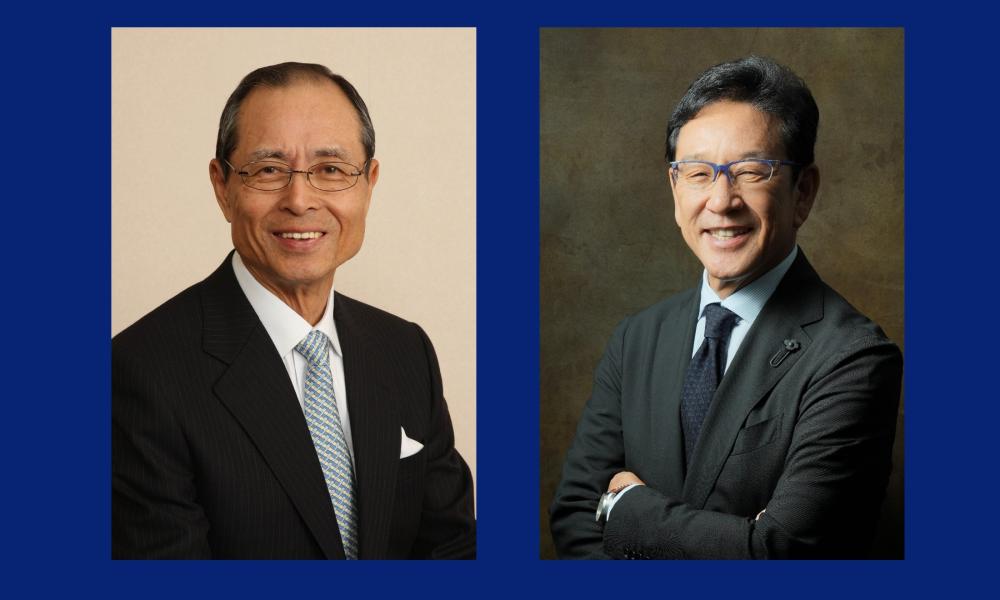
Photos by Tadahiko Hayashi and Yoshikatsu Hayashi
April 6 - April 24, 2026
Our exhibition for April will feature photographs by the late Tadahiko Hayashi and his son Yoshikatsu Hayashi, showcasing the Hayashi family's photographic journey across six generations and 130 years from the Meiji era through to today.

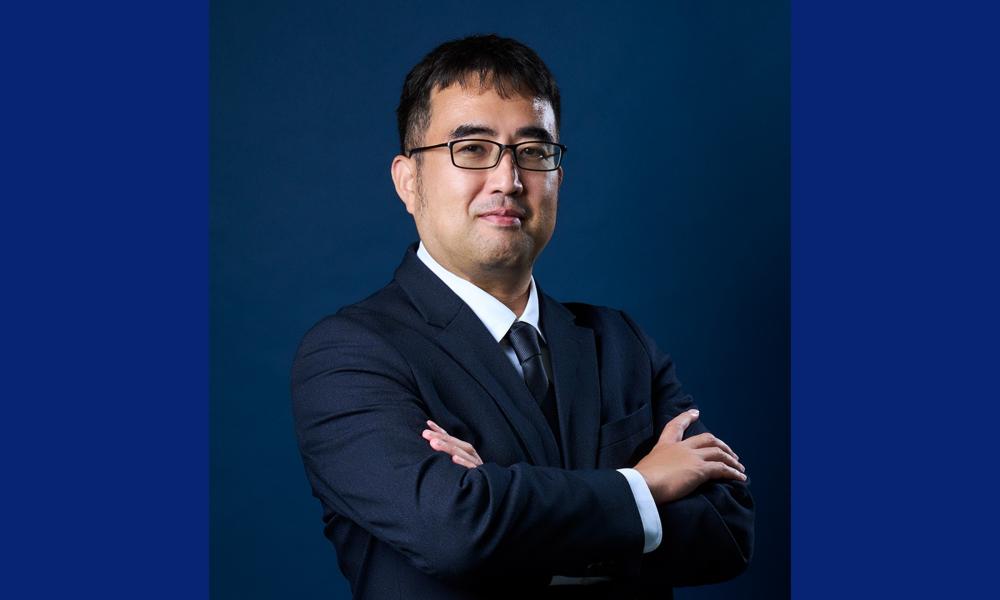
Exhibition Reception & Talk Show by Yoshikatsu Hayashi
Date: Monday, April 6 Doors open 5:30 pm Starts 6:00 pm
Entry Fee: Members 3,500yen, Non-members/guests 6,000 yen (light meal, drinks incl)
Advance reservations recommended. Call 03-3211-3163, front@fccj.or.jp or online reservation
Cancellations less than 48 hours in advance will be charged in full.
Private Exhibition: Thirty-Six Views of Mt. Fuji by Ryubun Nakajima
(Japanese translation follows English, 日本語訳は英文の後に続きます。)
Private Exhibition: Thirty-Six Views of Mt. Fuji by Ryubun Nakajima, Yamato-e Artist
March 28 – April 3, 2026
We are pleased to announce a private exhibition of works by distinguished Yamato-e painter Ryubun Nakajima in the Club Gallery. This exhibition will showcase Nakajima’s complete recreation of Katsushika Hokusai’s legendary series, “Thirty-six Views of Mount Fuji,” comprising all 46 artworks.
Hokusai’s masterpieces, including the iconic "Great Wave," are celebrated worldwide and even grace Japan’s 1,000-yen banknote. The “Thirty-six Views of Mount Fuji” captures the ever-changing face of Japan’s sacred peak through different locations, seasons, and weather conditions. Ryubun Nakajima, who taught himself by meticulously studying Hokusai’s original Edo-period techniques, has spent his career bringing these historic scenes back to life.
Now 87 years old, Nakajima is a unique figure in the art world. After leaving the Tokyo University of the Arts, he dedicated himself entirely to learning from Hokusai’s brushwork. Given his lifelong dedication and mastery, it is no exaggeration to call him the "Hokusai of the Reiwa Era."