


Issue:
November 2026 | Ask an Associate
Hirotaka Kawasaki, Kyoto’s Tokyo representative, talks overtourism and other challenges facing the ancient capital
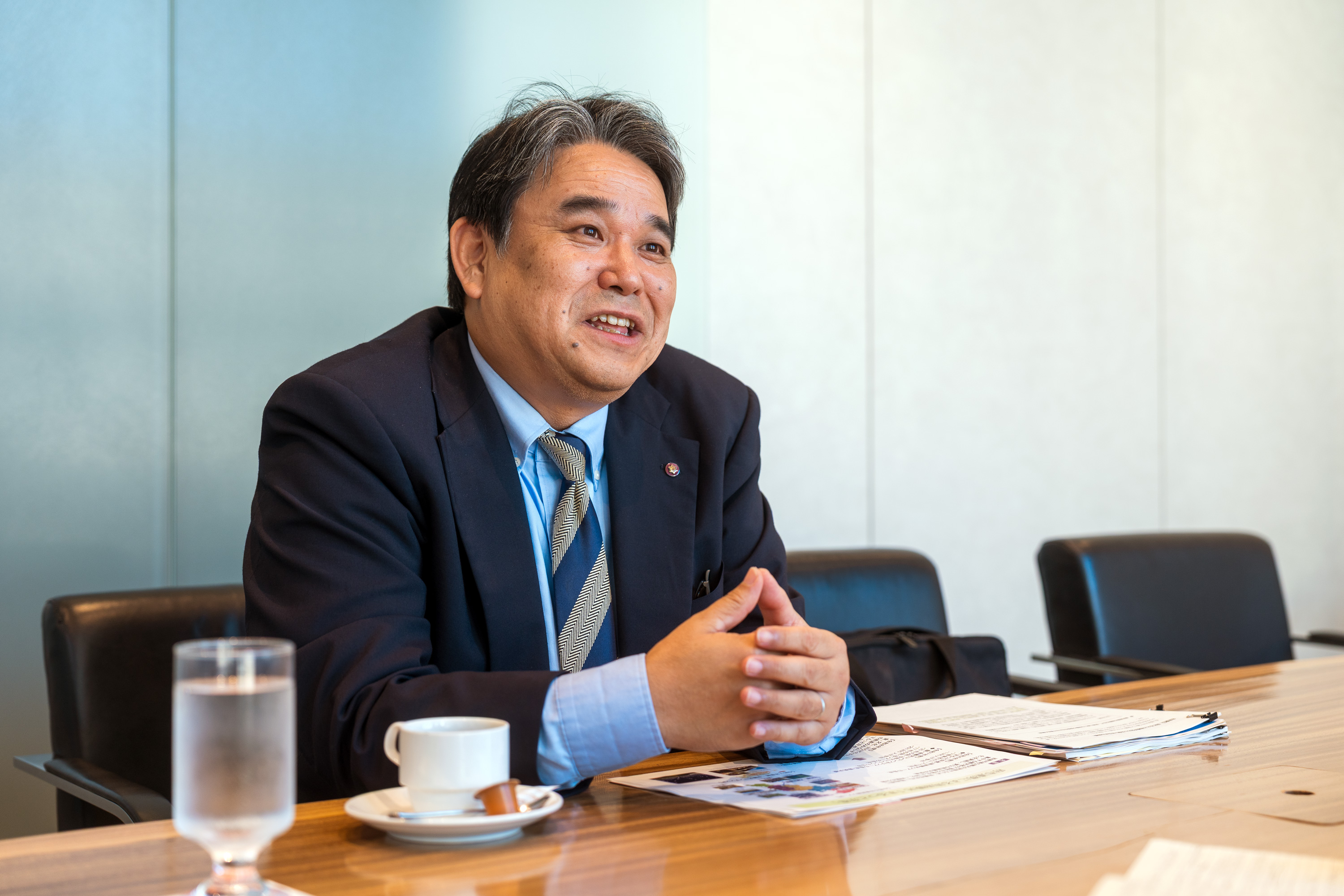
Kyoto is now grappling with overcrowding and depopulation at the same time. They are reshaping the second-most popular cultural destination for domestic and international tourists.
“That enviable status is facing new challenges,” said Hirotaka Kawasaki, a new associate member of the FCCJ and director general of Kyoto Prefecture’s Tokyo office. “Kyoto is seeking to broaden its appeal beyond its best-known sites of Japanese tradition to include attractions in the surrounding areas.”
In a recent interview for the Number 1 Shimbun, Kawasaki said this appeal is critical to addressing overtourism and depopulation. Kyoto had more than 91 million visitors in 2025, up 23% from 2019, according to Kyoto Prefecture statistics. The influx has led to crowded streets, noise and litter, angering local residents.
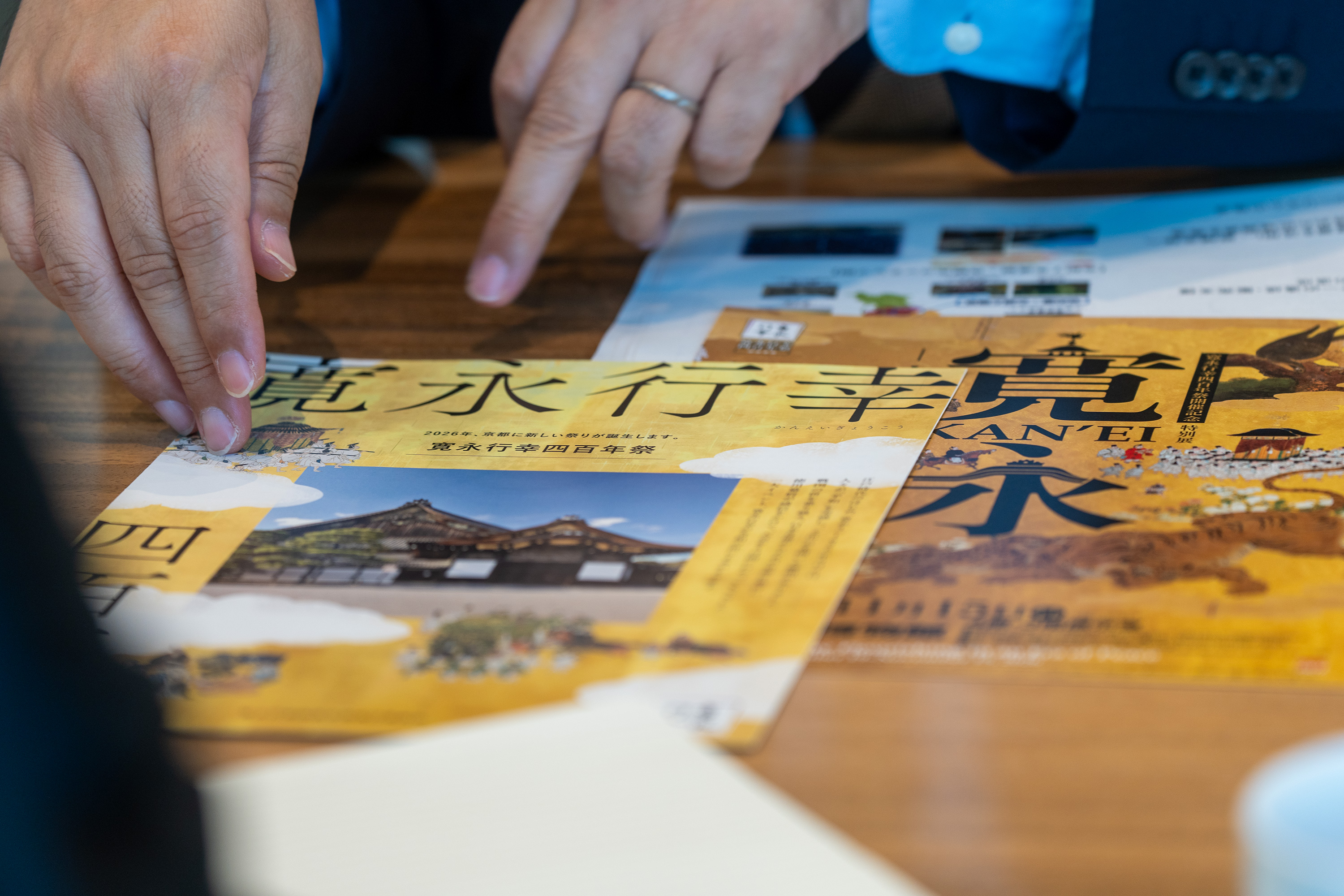
Kawasaki points to the urgency of the situation: recent data indicate some visitors are cancelling their stays due to overcrowding. But he adds that crowding is a problem around popular sites such as Kinkakuji Temple, known as the Golden Pavilion, Ginkakuji Temple, known as the Silver Pavilion, and the 17th-century Nijo Castle.
The prefecture wants to lure visitors to lesser-known spots that have significance in Japan’s rich history. For instance, its southern reaches bordering Nara Prefecture consist of rolling hills and terraced paddies. The area is dotted with ancient burial sites and sacred locations and is far less crowded than Kyoto City.
“The southern part of Kyoto Prefecture that connects to Nara is appealing to tourists looking for quieter exploration,” said Kawasaki.
Innovations launched by Kyoto Prefecture include “Yoi-yoi” night sightseeing tours aimed at reducing daytime crowds. For example, visitors can view Kyoto’s sublime temple gardens in the evening when they are illuminated with sophisticated lighting that showcases the intricacies of Zen landscapes, including the wooden architecture of ancient teahouses.

Kyoto Prefecture is also trying to thin crowds on autumn tours. In November, tens of thousands of tourists walk beneath thick canopies of maple trees dressed in brilliant hues of red and orange. Kawasaki suggests the equally entrancing experience of enjoying the maples in May and June when the same scenery becomes myriad shades of green.
“The alternative tours aim to address Kyoto’s overtourism,” he said.
Kawasaki hopes the changes now being implemented will also revive the local economy hit by a declining population. For example, Kyoto Prefecture’s 2.5 million population is down 100,000 from a decade ago.
“More people are moving out of Kyoto City as their children move away to other cities for jobs,” said Kawasaki.
The decline is also affecting Kyoto’s celebrated crafts. Aging artisan communities face the risk of extinction without sufficient young workers and new ownership.
“The situation has dealt a blow to Kyoto’s world-famous craft industry,” Kawasaki said. “Innovative changes are the only way forward.”
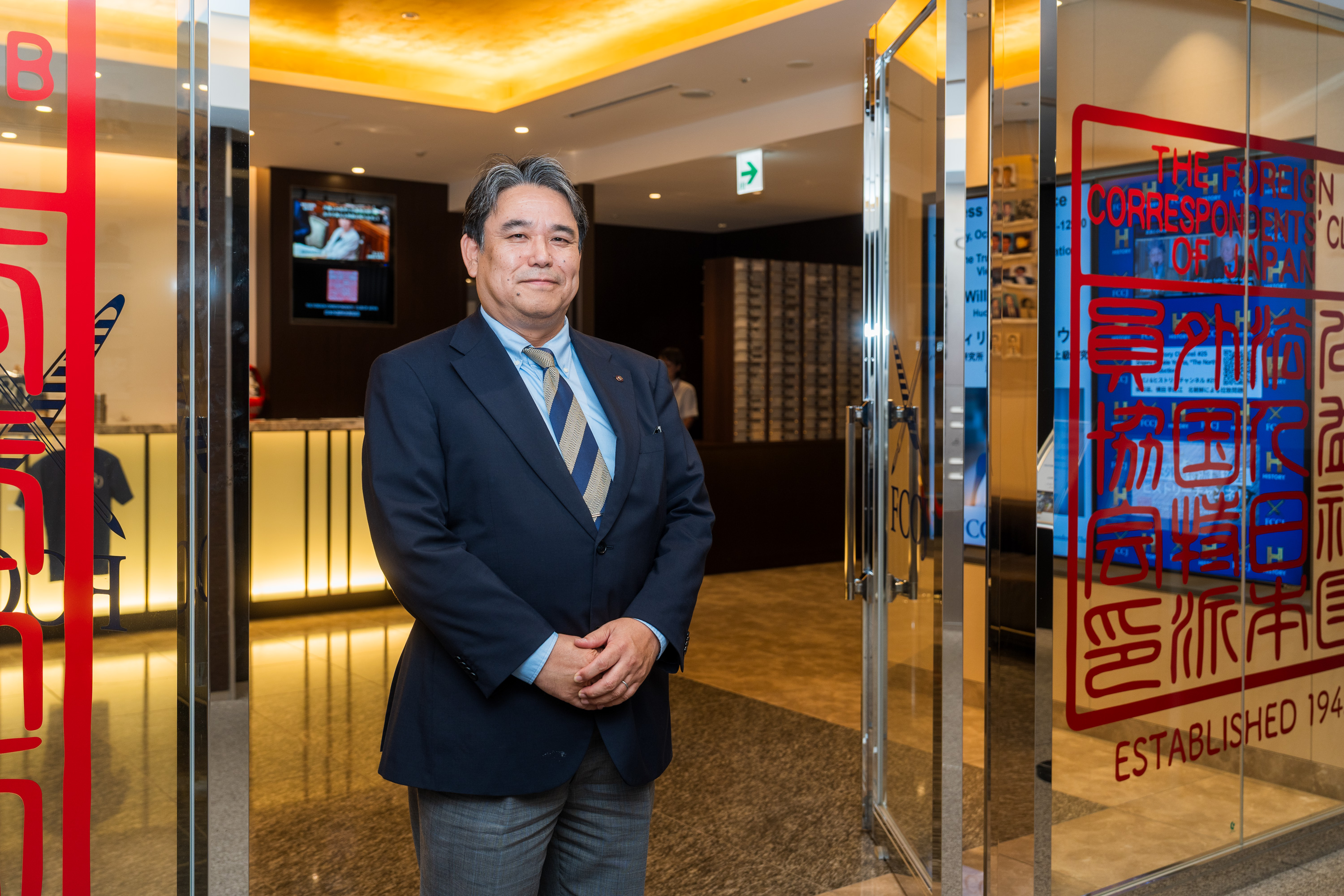
Despite the paradox of rising visitors and declining locals, the Japanese government has identified the tourism sector as a catalyst for economic growth. Japan National Tourism Organization data show that more than 42 million overseas visitors brought in 9.5 trillion yen in revenue in 2025.
Local towns and villages are investing heavily to expand accommodation and promote local cuisine to lure overseas travelers and boost their economies. Strengthening collaboration with the private sector is another strategy promoted by Kyoto Prefecture, which is encouraging companies to support projects to preserve cultural traditions.
For instance, there are campaigns to preserve Kyoto’s endangered kimono weaving skills—shops offer discounts to customers wearing kimono. There are hands-on workshops held under the slogan “Experience Tours with Experts.” Visitors can learn and make some of Kyoto’s treasured arts and crafts themselves.
This is where the FCCJ comes in. Kawasaki hopes to introduce some of these tours to members next year.
“With its international membership, the FCCJ is the ideal space for us,” he said.
Suvendrini Kakuchi is Tokyo correspondent for University World News in the UK and former president of the FCCJ.
