


Issue:
September 2026 | Letter From Hokkaido
Hokkaido University has issued a long-overdue formal apology to Japan’s indigenous Ainu. Why are some against it?
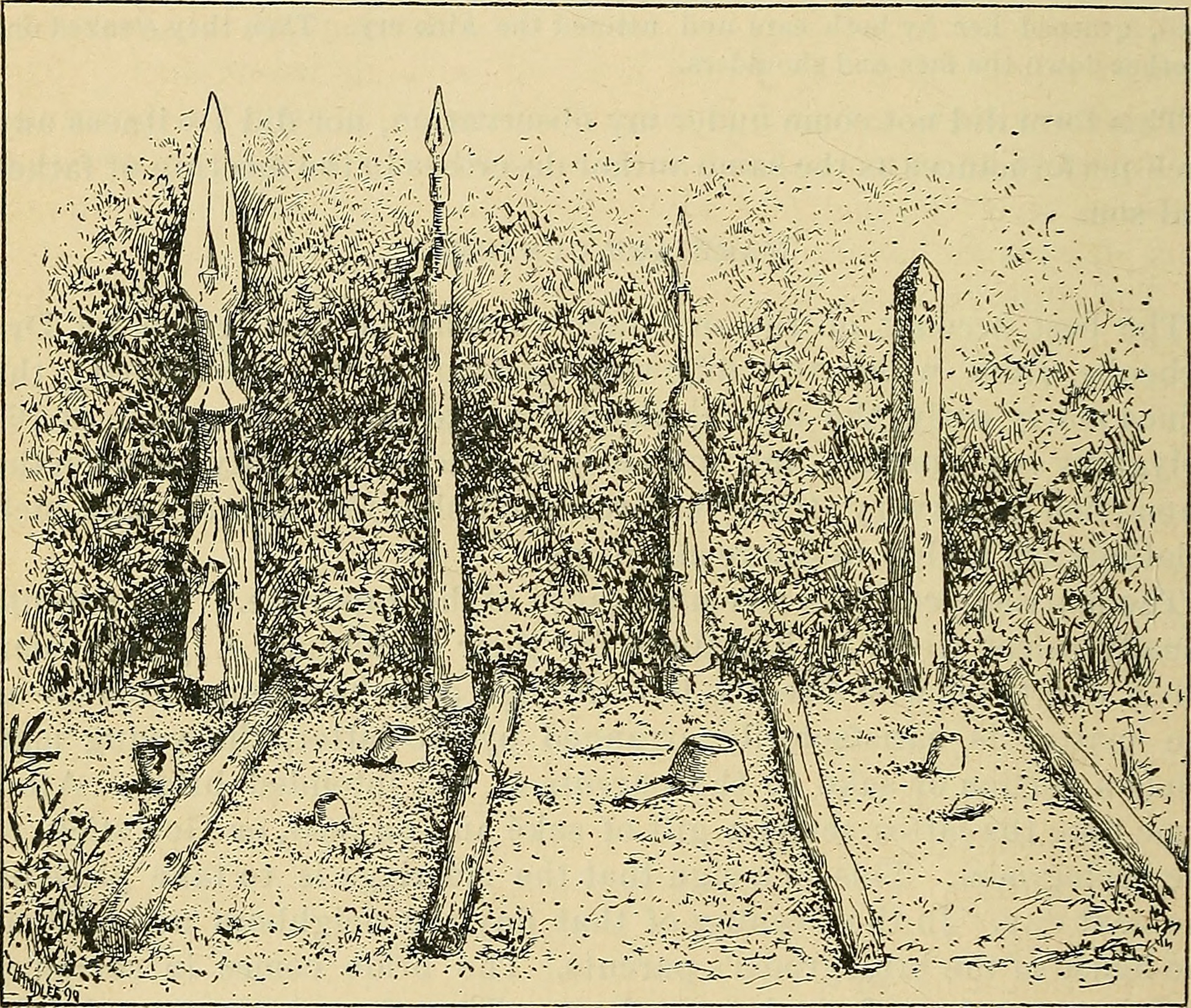
Throughout the Meiji, Taisho, and Showa periods, under the guise of anthropological research, foreign and Japanese scholars acquired bones from Ainu gravesites in Hokkaido and elsewhere without the permission of the local Ainu community.
It was not until the Diet recognized the Ainu as indigenous in a 2008 resolution did the question of returning ancestral remains become a larger media issue, and not until the Ainu Policy Promotion Act took effect in 2019, did official political – and legal – concern grow, especially in Hokkaido.
Hokkaido University was at the forefront of the problem. President Kiyohiro Hokin’s apology on July 27 for the university medical school’s research on Ainu remains, collected and studied in the 1930s, was detailed and damning.
“The research of that era was characterized by an attitude that sought to label a specific ethnic group as physically and mentally inferior. Much of this research proceeded without adequately verifying the prevailing theories of the time and lacked ethical consideration or respect for the Ainu people”, he said.
Hokkaido University also admitted that even at the time, there were Ainu voices criticizing the research.
“We sincerely reflect upon the research activities and the associated actions–including the collection of human remains and funerary objects– carried out by the School of Medicine, and we offer our heartfelt apologies to all Ainu people who have suffered pain and distress as a result.”
Other institutions, including Tokyo University and Sapporo Medical University, have already issued similar apologies. Hokkaido University’s mea culpa could open the floodgates for others to issue similar statements. The real question now, though, is what happens to the Ainu remains after a university admits they were wrong to have taken them directly, or accepted them from those who took them long ago.
Repatriation of the remains to the AInu communities they were stolen from is the best-case scenario, but that might be difficult. Remains were often mislabeled. Proving in a court of law that a university’s collection is from a specific area in which a specific Ainu community resided at the time is extremely complicated.
At the National Ainu Museum (Upopoy) in Hokkaido’s Shiraoi town, a memorial site located almost a mile (1,400 meters) from the museum’s main entrance stores all repatriated Ainu ancestral remains. As the museum’s English-language webpage explains, the site was established in September 2019 to house remains from elsewhere, including academic institutions, that could not be immediately returned to the original Ainu communities and “would be managed properly until a system for their acceptance by the Ainu could be established.”
Last year, the remains of 19 Ainu individuals at the Upopoy memorial site were returned to an Otaru-based Ainu group. The bones were robbed from their graves by a Tokyo University scholar in 1888, and later ended up at Hokkaido University and two others. Tokyo University apologized to the Ainu last year.
But other Ainu groups continue to demand the return of ancestral bones held at Upopoy, a difficult process. Morihiro Ichikawa, a Hokkaido-based lawyer and an expert on Ainu rights, notes a fundamental difference in how Japanese domestic law treats the Ainu and their rights as enshrined in international treaties on indigenous peoples’ that Japan has signed.
Modern Japanese law generally recognizes that individuals have rights over ancestral remains. But traditionally, Ainu communities, known as a kotan, recognized community, not individual, ownership. That’s compounded by the way the Japanese government and courts interpret the 2019 Ainu Policy Promotion Act.
“The 2019 law is based on the premise that there are individuals with Ainu ancestry. But it doesn’t recognize their collective rights as an indigenous people,” Ichikawa said.
The Japanese government will return remains to Ainu groups, or those groups of individuals with Ainu ancestry, who go through a formal application procedure. But establishing genetic proof that the remains taken long ago and stored in Upopoy are, indeed, the ancestors of individuals seeking them today requires jumping through many legal and bureaucratic hoops.
Ainu remains stolen from graves long ago is also an international issue. In May, the Natural History Museum in London returned to Japan seven sets of Ainu remains from its collection, which will go to the Upopoy site. They were taken from graves on the Kuril Islands by Alan Owston, a Yokohama-based British naturalist who donated them in 1911. Ainu remains stored in Germany, Australia, and Scotland have already been returned to Japan.
Hokkaido University said sorry just as it was preparing to celebrate its 150th anniversary, timing that raised a few eyebrows. But it also came amid a greatly changed local political and social atmosphere in Hokkaido, and Japan. Online social media attacks against the Ainu are increasing.
Conservative and rightwing groups and individuals like Nippon Kaigi’s Hokkaido members or former Lower House member Mio Sugita question whether the Ainu are really an indigenous people at all.
Prime Minister Sanae Takaichi, who is strongly supported by Nippon Kaigi (one of the group's fundamental tenets is that Japanese have a “sense of identity as one people centered around the Imperial Family”) rejected efforts to strengthen the Ainu Promotion Act last December. Ainu groups had been seeking punitive measures to combat discrimination. But the Cabinet ruled out such provisions, citing the difficulty of legally defining discrimination while failing to propose any alternative measures to deter it.
Hokkaido University’s apology is a step in the right direction. But it remains just that: one step on what seems to be an increasingly rocky political road to a country that creates a legal structure to protect their collective rights, including the right to have Ainu remains repatriated as quickly as possible, are honored.
Eric Johnston is the Senior National Correspondent for The Japan Times. Views expressed within are his own and not necessarily those of The Japan Times.
