


Issue:
September 2026
On the 25th anniversary of the September 11, 2011 attacks on New York, Tamaaki Wakata discusses his book about the city.
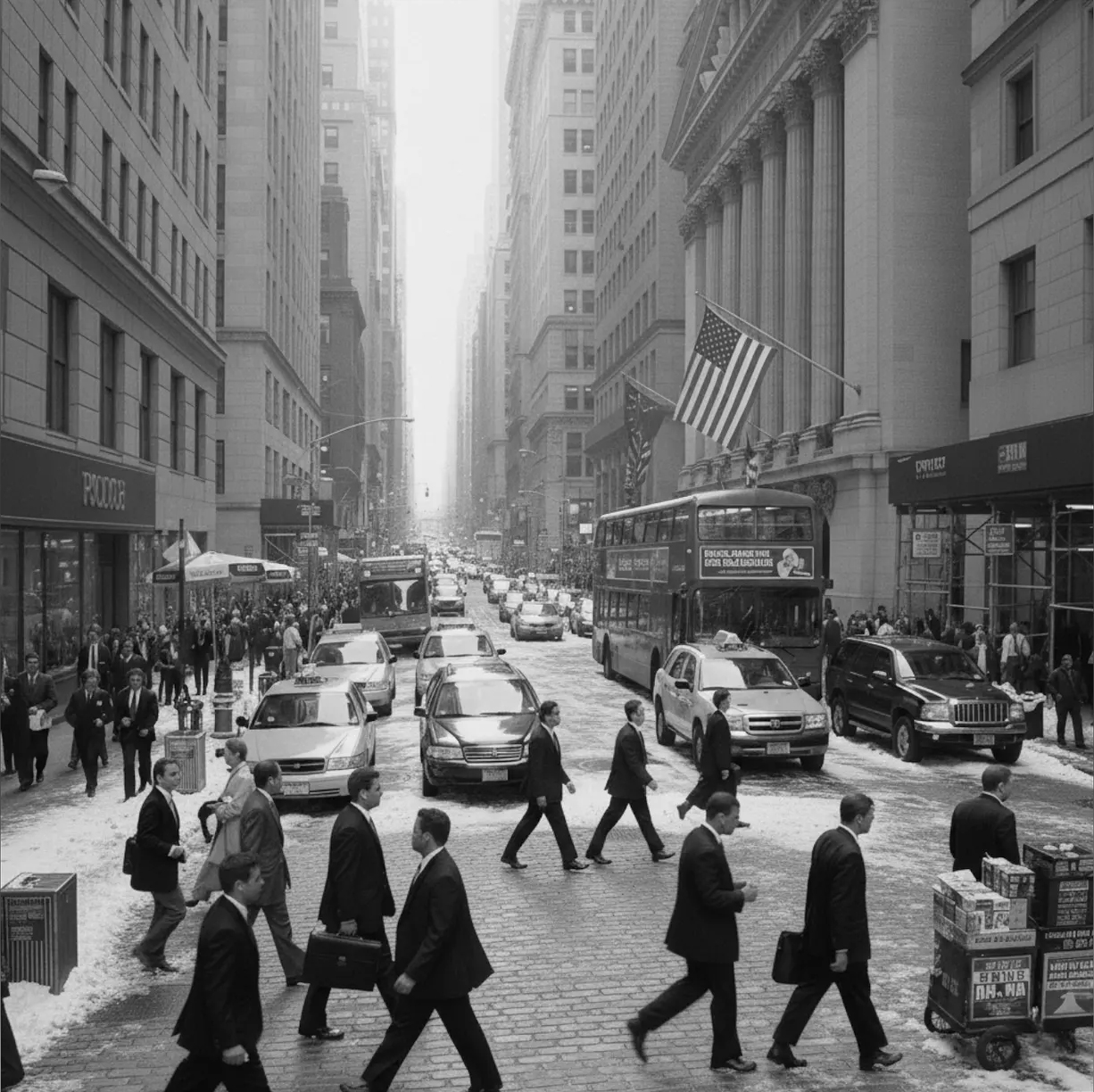
Q: You arrived in New York in 2000, when you say the city was nearing the end of an era.
I am referring to the dot-com bubble crash and the subsequent 9/11 terrorist attacks—two monumental, world-shaking events. Driven by the rapid spread of the internet in the late 1990s, America, and New York in particular, was at the peak of euphoria and optimism. Investors believed that internet companies would change everything. The tech-heavy NASDAQ composite index peaked in March 2000, and Wall Street was utterly convinced that a glorious new era had arrived.
However, by the time I set foot in New York in December 2000, that optimistic mood had suddenly inverted. The euphoria was rapidly deflating—a shift that would eventually see the NASDAQ plunge to nearly one-fifth of its peak value. Before the fruits of the internet revolution could truly ripen, expectations and stock prices had run far ahead of reality. That distortion was just beginning to cast a shadow over the city.
Just nine months later, the 9/11 attacks occurred, claiming so many innocent, civilian lives. If the dot-com crash was an economic paradigm shift, 9/11 was a geopolitical and psychological paradigm shift for humanity.
On the surface, the New York of December 2000 still seemed to be at the zenith of its vibrant daily life. Late into the night, the dense energy of jazz and rock spilled from the clubs of Greenwich Village, and the brilliant cheers of Broadway theaters echoed through the streets. Yet underneath, two tectonic shifts that would reshape the world were about to intersect. It was a miraculous, yet strangely ominous, moment.
Q: What precipitated your decision to go to New York?
At the time, I was living in Matsuyama on the island of Shikoku, but I entrusted the complex inheritance tax procedures to an acquaintance—a tax accountant in Tokyo who was a former official of the National Tax Agency. As a result, I found myself constantly traveling back and forth between Matsuyama and Tokyo for meetings and paperwork. After a series of complicated twists, including the unexpected discovery of missing property registries for the inherited land and buildings, it took a grueling four months just to finalize the tax assessment. Compounded by the grief of losing a beloved family member, the intricate Japanese tax bureaucracy left me thoroughly exhausted. I had an overwhelming urge to go somewhere far away and completely recharge.
Meanwhile, I had been riding the waves of the era, trying my hand at day trading, which was popular at the time. I was buying and selling stocks like Amazon, dreaming of achieving financial independence and early retirement. Fortunately, Cisco Systems stock, which I had purchased a few years prior, had hit its all-time high in the spring of 2000. By selling a portion of those shares, I managed to secure a substantial fund for a long vacation.
The destination was decided from the very start: New York. I wanted to see the energy of the NYSE and NASDAQ with my own eyes—the very markets that had allowed me to dream. I wanted to stand on the ground of the city that was the epicenter of the dot-com bubble, where dreams and desires swirled together. A profound curiosity about the era, combined with a reward for my exhausted mind and body, is what propelled me toward New York.
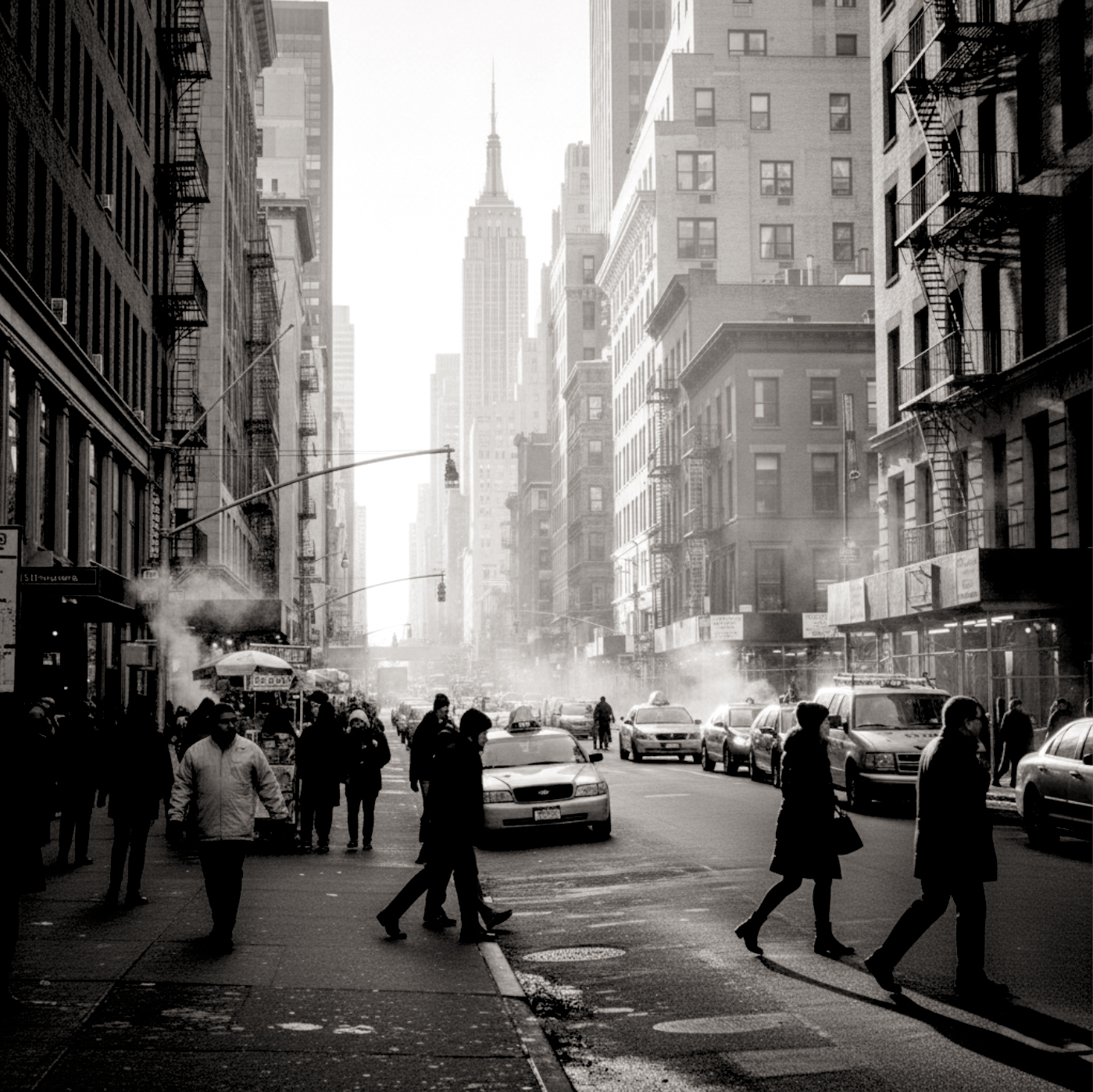
Q: In what ways do you think New York changed after your visit there?
The city remains vividly etched in my memory in its “last moment of brilliance,” just before the world was irrevocably altered by the 9/11 attacks.
Since then, New York has repeatedly transformed and rebuilt itself, as symbolized by the resurrection of the One World Trade Center. The 9/11 attacks marked a definitive turning point for the Pax Americana—the global order that the United States had overwhelmingly sustained since World War II. From that day forward, the world visibly entered an era of profound uncertainty and fragmentation. Now, twenty-five years later, contemporary New York is experiencing another massive epochal shift. Just like the internet revolution of the past, the Artificial Intelligence (AI) revolution is sweeping through Wall Street.
Whether this will organically reshape society on a scale far grander than twenty-five years ago, or whether it is merely a repetition of the speculative frenzy of the dot-com era, remains to be seen. But without a doubt, the next ten years will be incredibly exciting.
As the epicenter of the global economy, the cutting-edge energy of New York remains unchanged, then and now. In fact, three years ago, to witness where this new AI revolution would lead, I purchased a modest number of shares in three defining companies of our time: NVIDIA, Tesla, and Amazon. Having set off for New York twenty-five years ago with Cisco shares in hand, I am eagerly looking forward to seeing what kind of landscape I will witness ten years from now.
Q: Were you personally affected by the 9/11 attacks?
Every time the footage of the attacks played on television, a violent shiver ran through my body. Just nine months prior, I had been standing right beneath the World Trade Center, looking up at its towering presence. Seeing the beautiful city I had just walked through—along with its entire daily life—collapse in an instant was a profound shock that signaled the world had irrevocably changed.
At the same time, however, I was physically situated in Japan, protected by our robust "myth of safety." Like many Japanese people at the time, I found myself viewing it with a certain psychological distance, as an event happening overseas on the other side of a screen. Because I was not directly harmed, that psychological gap lingered in my mind for a very long time.
This year, as the 25th anniversary of 9/11 was approaching, I remembered the travel notes and journals I had kept back in December 2000. I felt a strong urge that now was the time to share the authentic atmosphere and beautiful scenery of New York exactly as it was before the tragedy, seen through the eyes of an ordinary Japanese traveler. This deep desire drove me to publish the book in this milestone year. It is my sincere hope that this book will serve as a quiet offering from a far corner of Japan to the victims of 9/11.
As for how contemporary Japan perceives 9/11 today, the immediate aftermath did see a rapid strengthening of visible counter-terrorism measures—such as heightened airport security, increased surveillance at critical infrastructure, and stricter immigration controls.
However, public interest in terrorism within Japan is no longer as high as it once was. This is largely because Japan has not experienced frequent, large-scale international terrorist incidents on its own soil. Furthermore, people's attention has naturally shifted toward other immediate crises, such as the recent pandemic, consecutive natural disasters, and sophisticated cyberattacks.
For most Japanese people today, terrorism is no longer perceived as a raw, visceral fear. Instead, I feel it has transitioned into something more distant and abstract — viewed simply as one of many societal risks that the government and administration should properly manage.
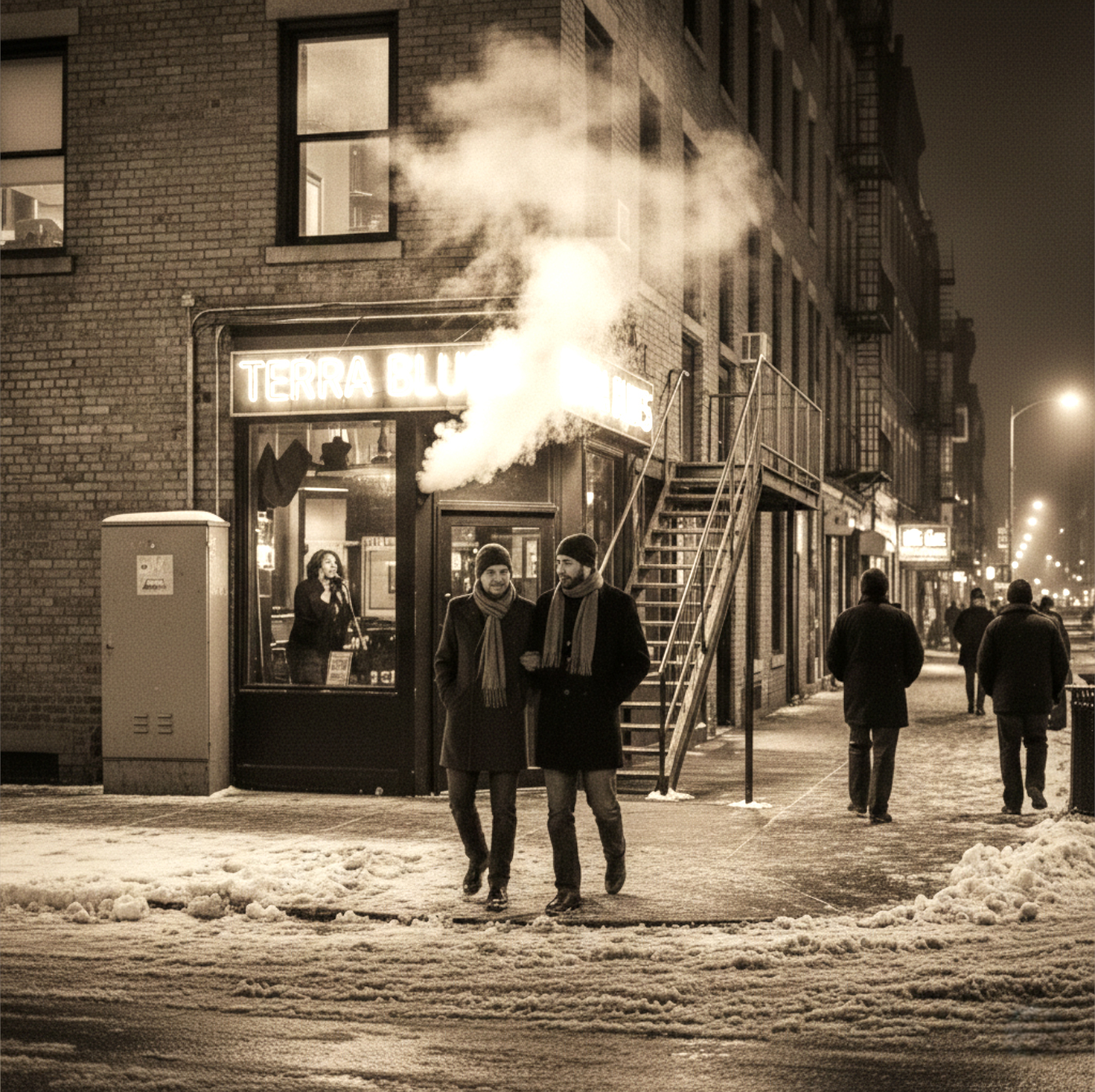
Q: You used AI to generate reconstructions of your memories of the city. Did you consider sourcing real photos from photographers?
The option of using beautiful, authentic photographs taken by professional photographers never crossed my mind from the very beginning.
Twenty-five years ago, smartphones as we know them today did not exist, and even general digital cameras were not yet widely adopted. I did not carry a camera with me on that trip, and back then, the very concept of capturing the scenery as visual data didn't even occur to me. Upon returning to Japan, I merely jotted down those travel notes as a personal journal to aid my own memory.
When I decided to transform those notes into a book for the 25th anniversary, I faced the reality that I did not possess a single photograph from that time. However, that was precisely when I thought of utilizing generative AI technology, which has been evolving at a breathtaking pace in recent years.
While the works of professional photographers are undoubtedly magnificent, they ultimately capture "the world seen through their lenses." They are inherently different from the cold air, the specific lighting, and the distinct atmosphere of December 2000 that remain embedded inside my mind. The process of engaging in a continuous dialogue with AI through prompts to reconstruct pieces of my own memory was a completely new dimension of creative expression. It was fundamentally different from borrowing someone else's photographs.
AI beautifully brought to life the dense, evocative atmosphere of New York that text alone could never fully convey. Through the experience of completing this book, my conviction that "the AI revolution is real" grew even stronger. The AI images in this book are not mere illustrations; they are the genuine result of facing the true spirit of my memories with absolute honesty.
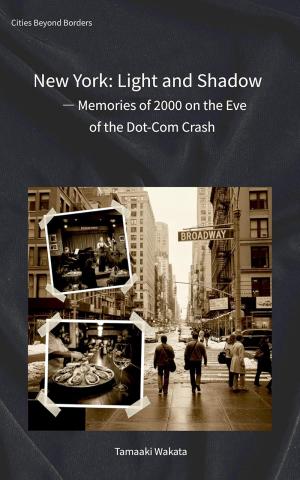
Tamaaki Wakata is a nonfiction writer who explores cities, landscapes, and the spirit of their times. New York: Light and Shadow and The Narrow Road: A Modern Motorcycle Pilgrimage are available in Japanese and English.
