


Issue:
April 2026
The FCCJ has hosted an eclectic range of events recently – from Olympic champion skaters to authors and a generous veteran chef
It has been my honor to emcee hundreds of FCCJ events over the years. You can quickly guess whether the guests will shine or struggle based on how comfortable the seem with the media or the enthusiasm of the in-person and online audiences. The Club has held a number of successful events over the last two months featuring important speakers and engaged audiences.
Here’s a list of the medal winners we have hosted from the world of entertainment and culture.
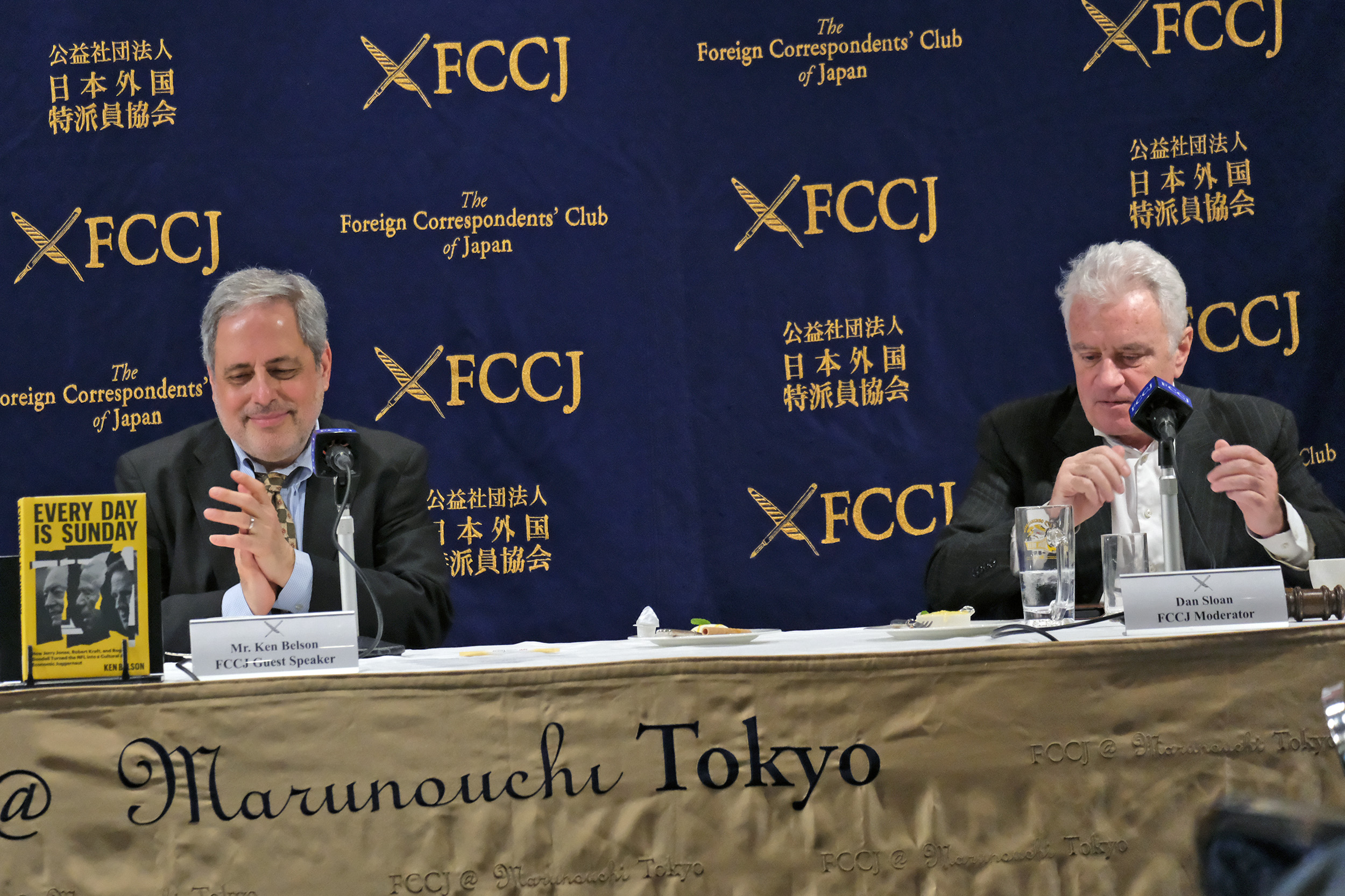
In February, New York Times reporter Ken Belson returned to Japan and the FCCJ to promote his book on the NFL, Every Day is Sunday. It focuses on how the world's biggest and richest sports league dominates the sports business, as well as media and popular culture, and was based on Ken's writing for the Times. His Book Break was attended by many friends and former colleagues, but personally it was great to see him again after many years, as we had worked together at Reuters in the late 1990s.
Many books were signed and sold, and questions asked and answered. The event was one of a number of great Book Breaks we’ve hosted recently, including Jake Adelstein, who in March spoke to us about his new book The Devil Takes Bitcoin. Jake and Ken are inspiring a younger generation of journalists and authors through events at the FCCJ, talks to university students and book tours in the U.S. and Japan.
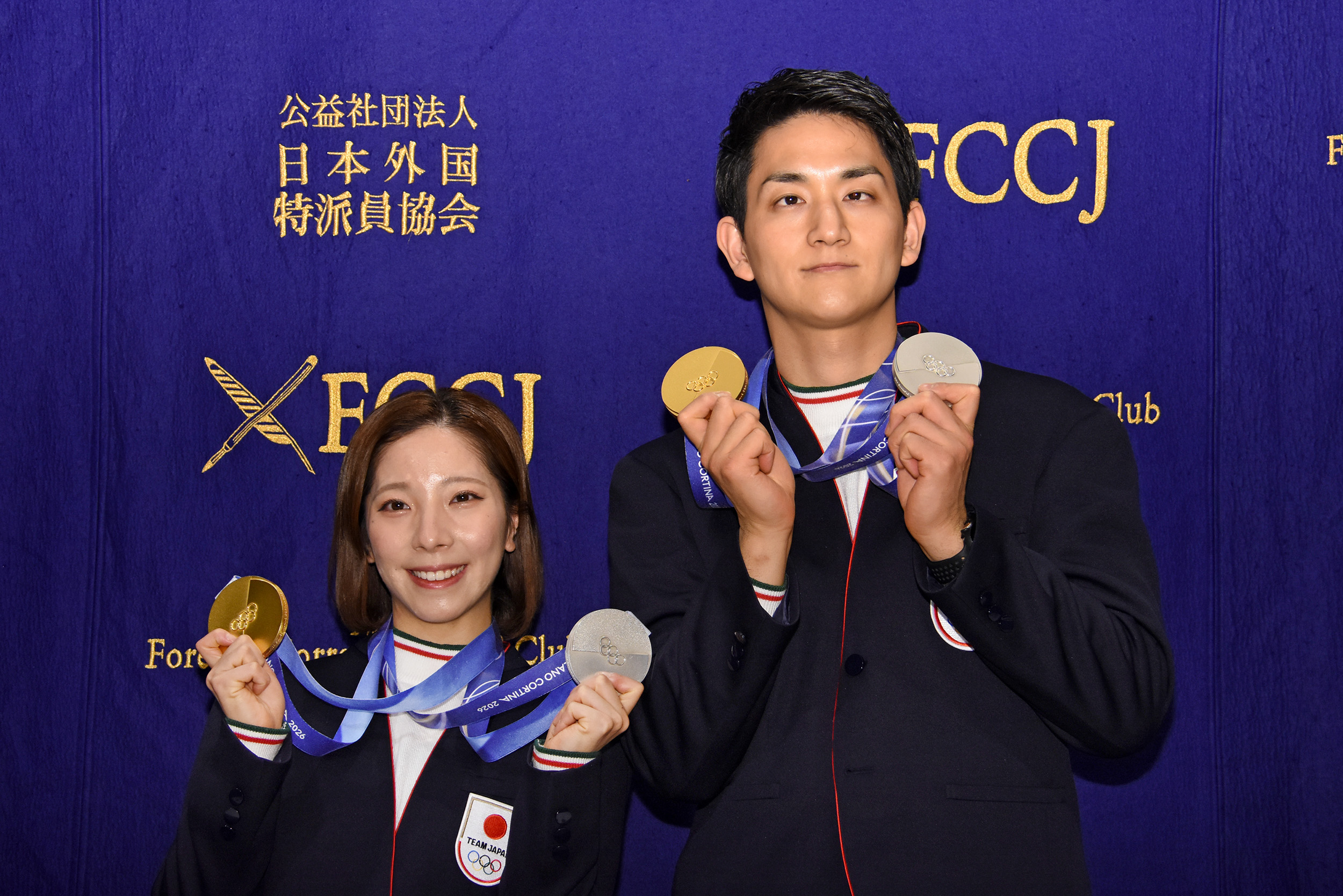
To complement the Winter Olympics, the gold- and silver-medal winning pair Riku-Ryu (aka Riku Miura & Ryuichi Kihara) drew more than 130 attendees at the FCCJ. They had just spoken at Japan’s National Press Club, having returned to Tokyo from the Milano-Cortina Games only the previous day. They would have had every reason to be tired, cranky, and monosyllabic before a full house, but performed like skaters setting a world-record score, complementing each other perfectly in comment and deed. They made a nation – including many fans among our membership – proud.
Kihara recalled how his desperation after a poor short program had pushed him to tears, as well as his partner’s efforts to put him back on the right track before they went on to achieve unprecedented results. Despite their age differences and separate roads to the FCCJ’s Kiss & Cry, Riku-Ryu were exactly as Prime Minister Sanae Takaichi had described their medal-winning performance: “It was as if two hearts had become one, and we were able to feel the trust.”
Kihara had lifted the diminutive Miura up with one arm so that she could see the Games’ closing ceremony, so I asked him before the event if he could again raise her for the crowd or - jokingly - lift me. He gulped, shook his head, and replied: “No. 2 But he did divulge that he lifted weights twice a week. He’s strong, but you can’t change the laws of physics.
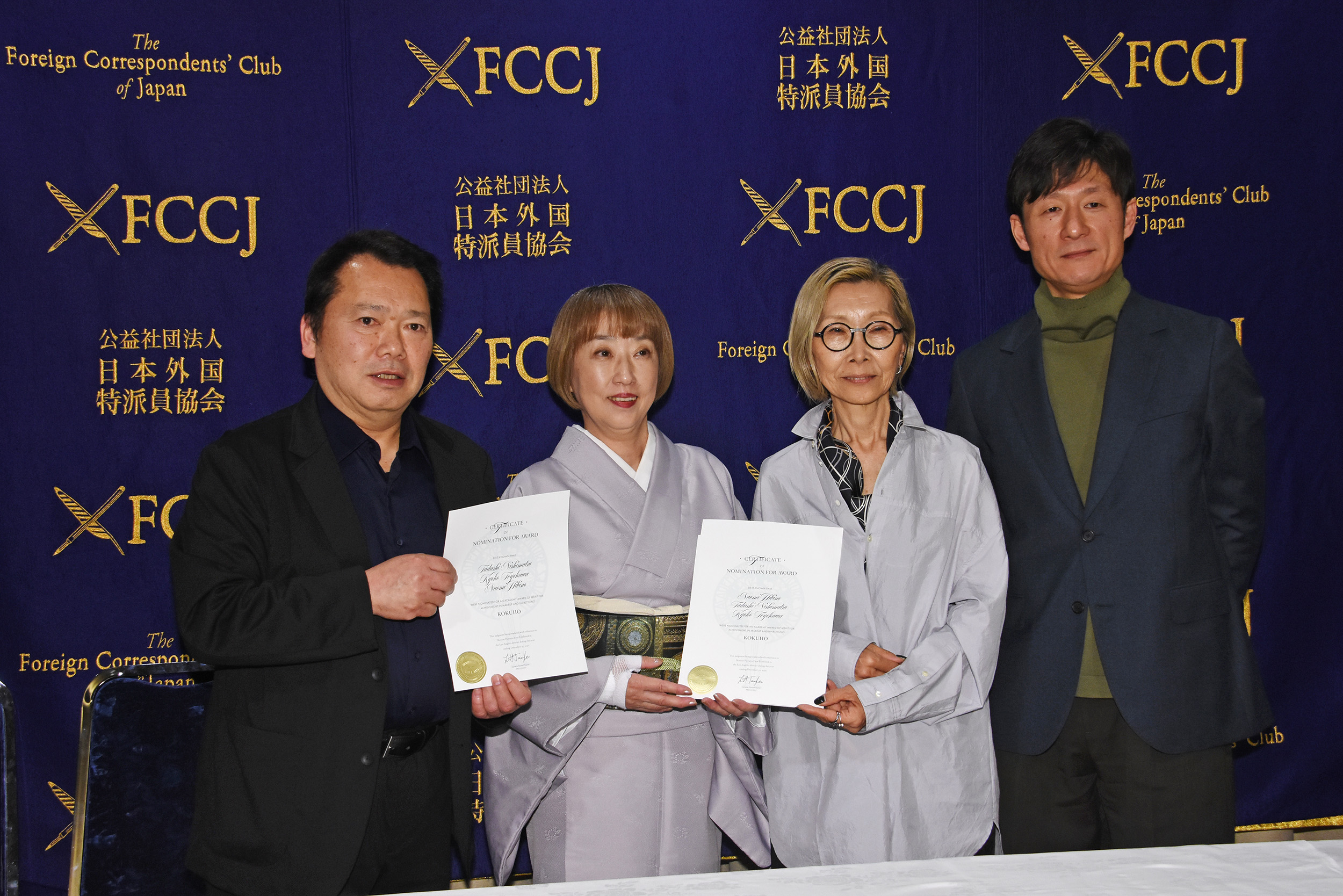
Pivoting to more extraordinary guests, the Professional Activities Committee and Film Committee welcomed the people behind the most successful live-action film in Japanese history, Kokuho. Director Lee Sang-il and his Oscar-nominated hair and makeup team – Kyoko Toyokawa, Naomi Hibino, and Tadashi Nishimatsu – gave us a sneak preview of Kokuho, which won a record 10 Japanese Academy Film Prizes in March and had earned over ¥20.3 billion yen ($130 million) at the domestic box office as of March 8, according to the Asahi Shimbun.
I didn’t emcee, but watched our YouTube video archive of the event hosted by film committee chair Karen Severns, which began with Lee explaining the film’s genesis. “Kabuki has a 400-year history as a traditional performing art, and we made sure to have respect for the weight of its tradition and time in establishing that art,” he said. “What we were tasked with was making sure there was potential to reproduce the real art, so there was no discomfort.”
How did the team make the historic art form engaging for modern audiences?
“Kabuki terminology and jargon in the script are difficult for the general public,” Lee said. “I tried to focus on fewer words, which was a constant mindset.”
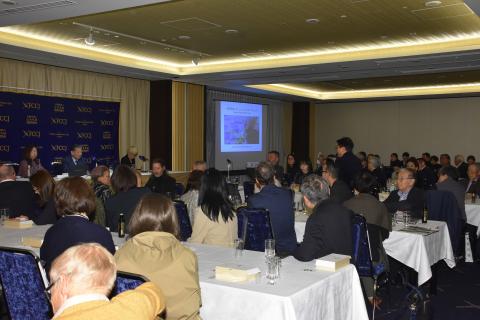
Finally, a packed FCCJ house joined chef Yoshihiro Murata, owner of Kikunoi, a traditional restaurant in Kyoto, as he explained washoku culture. Murata, who travelled from Kansai to the Club, highlighted how traditional Japanese cuisine depends on diverse seasonal ingredients and a focus on balanced nutrition.
The best part came when guests were invited to eat a delicious signature bento from his restaurant. Questions for the chef exceeded the allotted time, but everyone left better educated and savoring an evening of unforgettable washoku.
Dan Sloan is president of the FCCJ.
