


Issue:
April 2026 | Ask an Associate
FCCJ member Mehdi Bassiri says the war in Iran should be a turning point for the country he loves
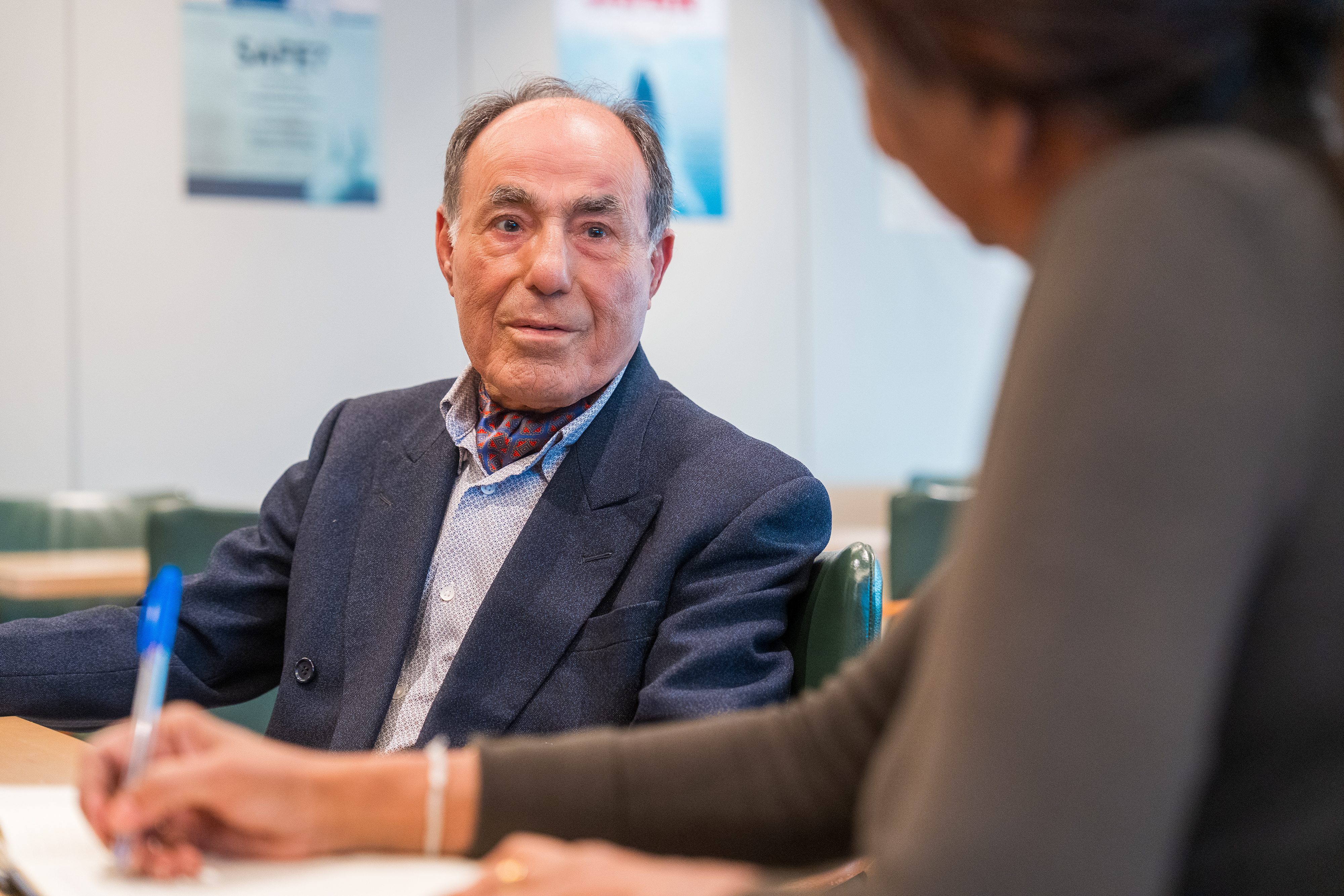
On March 19, Mehdi Bassiri, his wife and their three children, along with their spouses, ushered in the Iranian New Year while staring anxiously at their phones. They were waiting for the slim possibility they would be able to speak to their relatives in Iran, which by then was being bombed by U.S. and Israeli forces. “We cannot call our family members as ordinary Iranians have no access to the internet,” Bassiri said in an interview with the Number 1 Shimbun. Have you ever experienced that dark feeling of desperation?” he asked, his voice grave with emotion.
Almost a month into the war, the death toll in Iran has climbed to more than 3,000. The horrific bombing by the U.S. of a school in Iran, in which 168 children died, shook the world. Bombs have also damaged hospitals, homes and public infrastructure, as well as killing senior members of the Iranian regime.
When the Islamic Republic of Iran was established in 1979, Bassiri, a long-time FCCJ associate member and former board member, was serving as first secretary at the Iranian Embassy in Tokyo, in charge on consular affairs and press. Six months later, rejecting oppressive Sharia laws introduced by the country’s new rulers, he resigned and applied for asylum in Japan. “I was targeted by the new leaders because I refused to comply,” he said.
Yet, as he watches parts of Tehran and other cities erupt in flames, he struggles to explain his complex feelings.
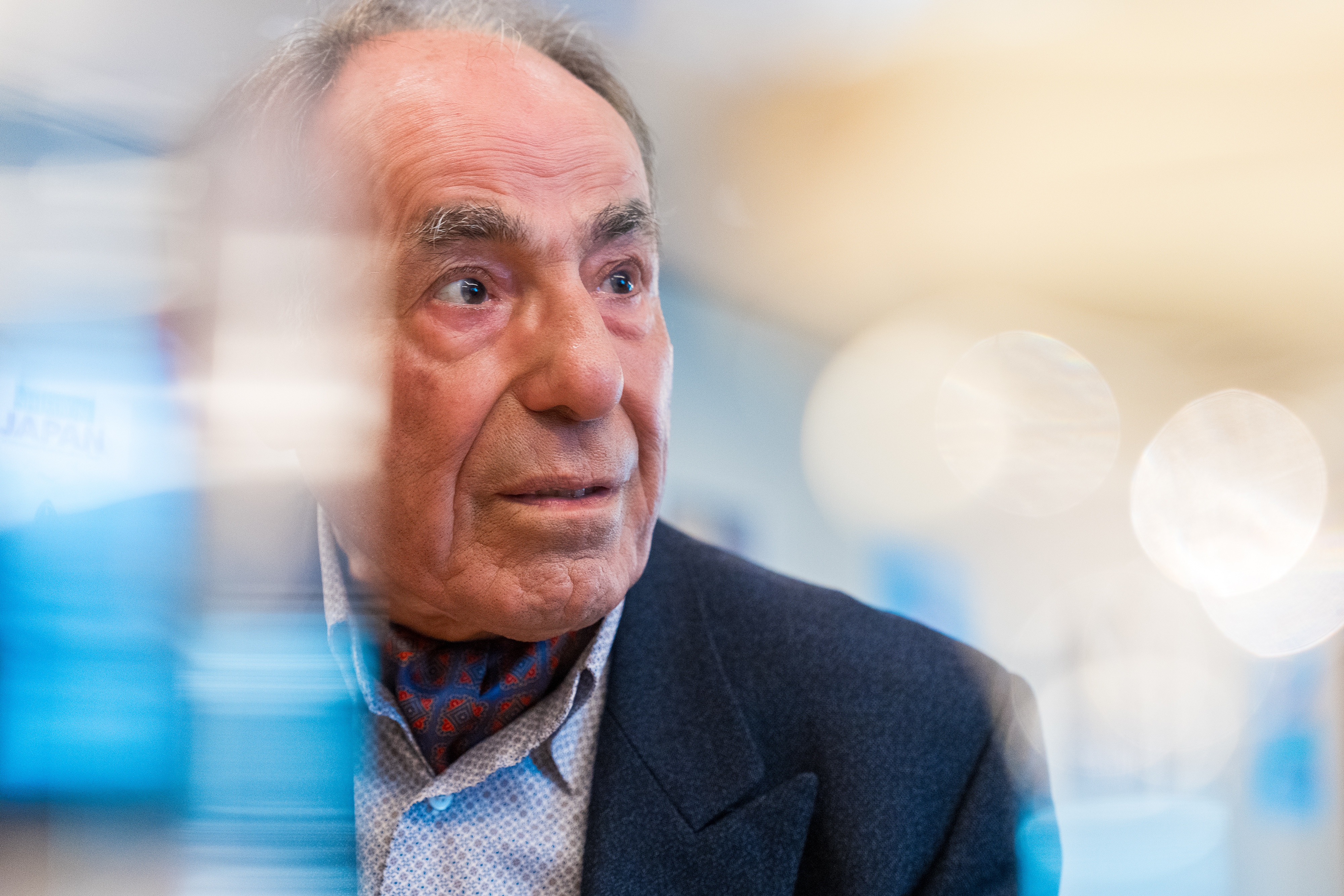
“I am very unsure about the result of this war” he said, citing the danger posed by Donald Trump’s lack of a clear vision for what will come after the bombing has ended.
Bassiri believes the regime in Tehran is responsible for this war, saying it had wasted billions of dollars of Iranian assets enriching uranium as part of its quest to develop nuclear weapons. “The money did not do Iran any good because the world will not permit the country to have this destructive weapon,” he said. Instead, he added, the money should have been spent on improving the lives of ordinary Iranians.
He also believes the war is illegal, and that Trump’s decision to attack Iran may have frustrated recent attempts by Iranian citizens to oppose the theocratic regime, which has responded by killing large numbers of demonstrators. “We were getting close to the goal of achieving much-needed political change,” he said. “By waiting for this moment, the world could have witnessed a new regime led by the people … the best way forward.”
Bassiri said he feared that the United States, a superpower that does not understand the region’s complexities, could carve up the country on geographical lines. “Iran's roots in the region are old and remain strong,” he said. “Its history is not like other countries, such as Iraq, which was established by the West when it demarcated the Middle East after World War II.”
Iranians, he added, are united in their love for their country, despite its ethnically diverse population. “The Iranian backbone is rooted in pride and nationalism. People will not tolerate any attempt by foreign entities to control the country.”
The Bassiri family is a good example of that attitude. They lost their home in Tehran after it was seized by the Islamist government in retaliation for the owner leaving the country. But Bassiri, whose bank account and other assets were frozen, leaving him penniless and dependent on friends for years, has never abandoned his dream of retuning to Iran – a sentiment he says is shared by most of the Iranian diaspora.
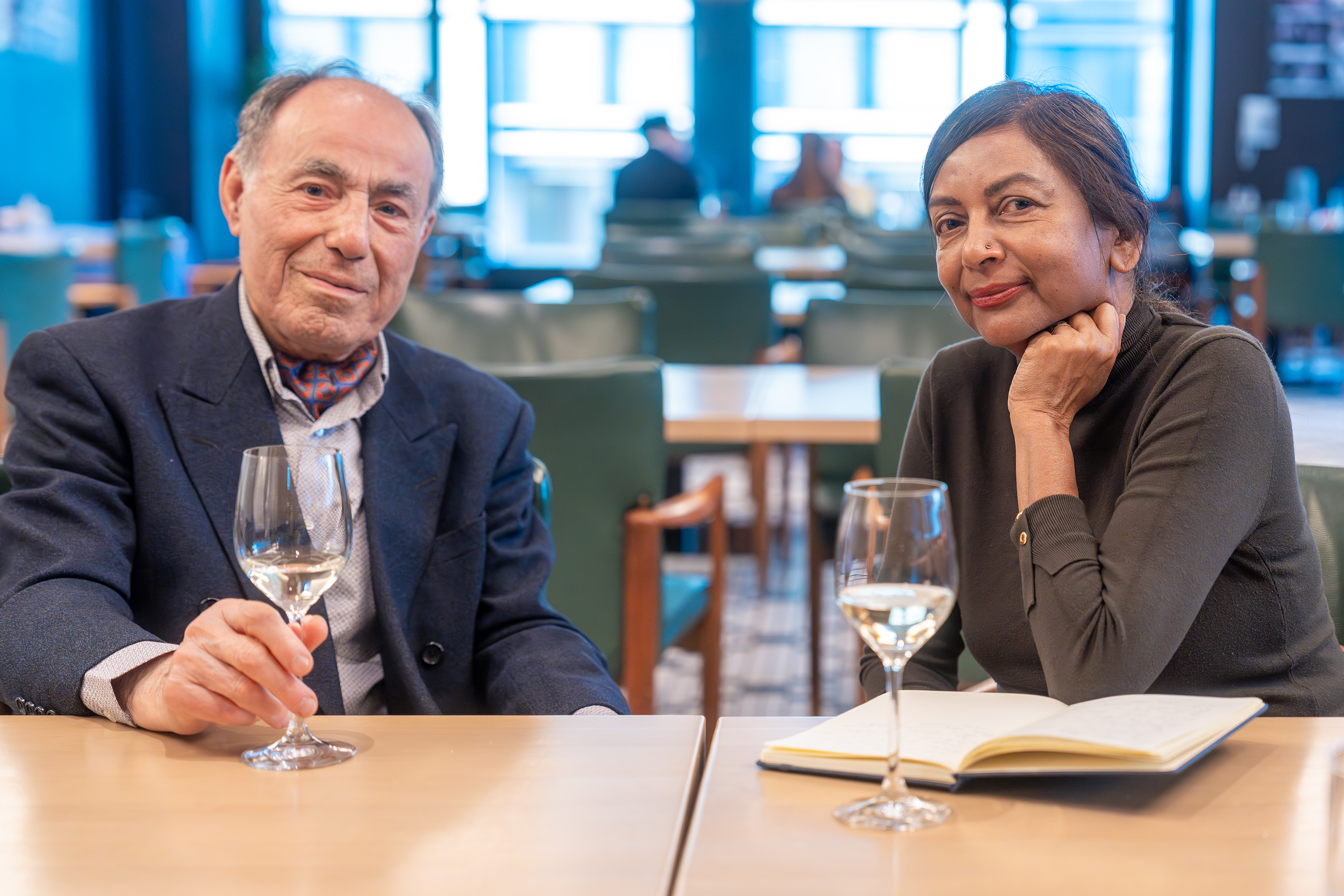
He recalled the days before the 1979 Islamic revolution, when Iranian society was modern and bustling with life. Women were not forced to cover themselves and alcohol and Western music flowed in bars and restaurants. The toppled Pahlavi dynasty rulers had “only restricted political freedom”, he said.
Despite the continuing threat facing Iranians from Israeli and U.S. attacks, Mehdi has not given up hope that his homeland can make a new beginning.
“Over the past four decades I have kept a bottle of Iranian vodka in my house, and made a promise to myself to open it only when I return home,” he said, breaking into a gentle smile. Today that pledge has taken on even greater meaning.
Suvendrini Kakuchi is Tokyo correspondent for University World News in the U.K.
