


Issue:
July 2026 | Ask an Associate
Kyoto is a samurai film-making destination, Akihabara in Tokyo is an animation mecca, and Hiroshima draws visitors to study the tragedy of the atomic bombing by the United States on August 6, 1945, near the end of World War II making italso a site of the international peace movement.
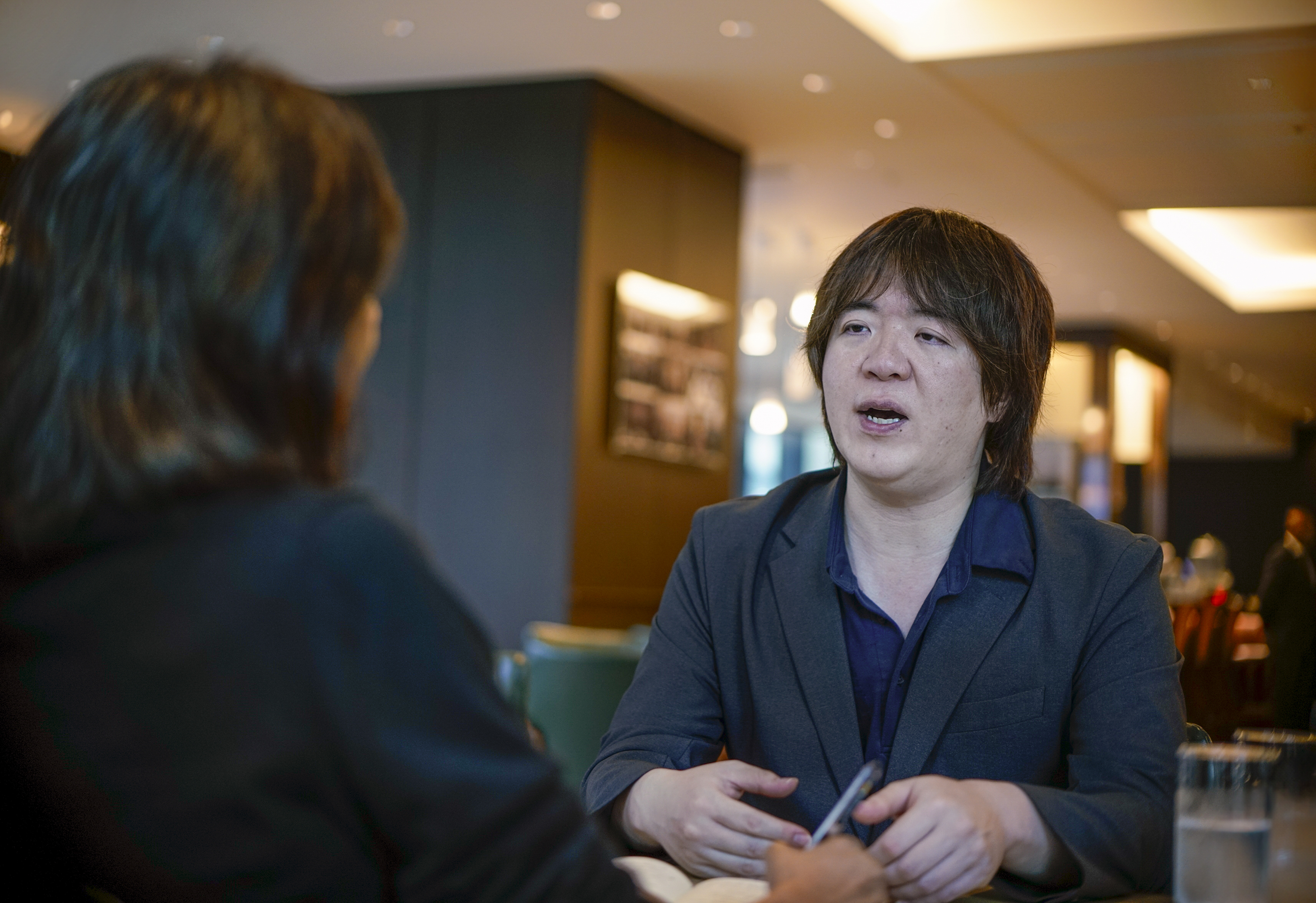
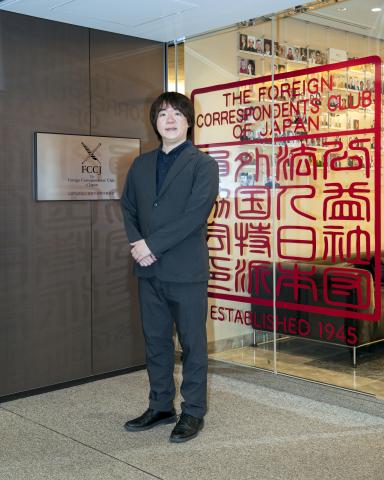
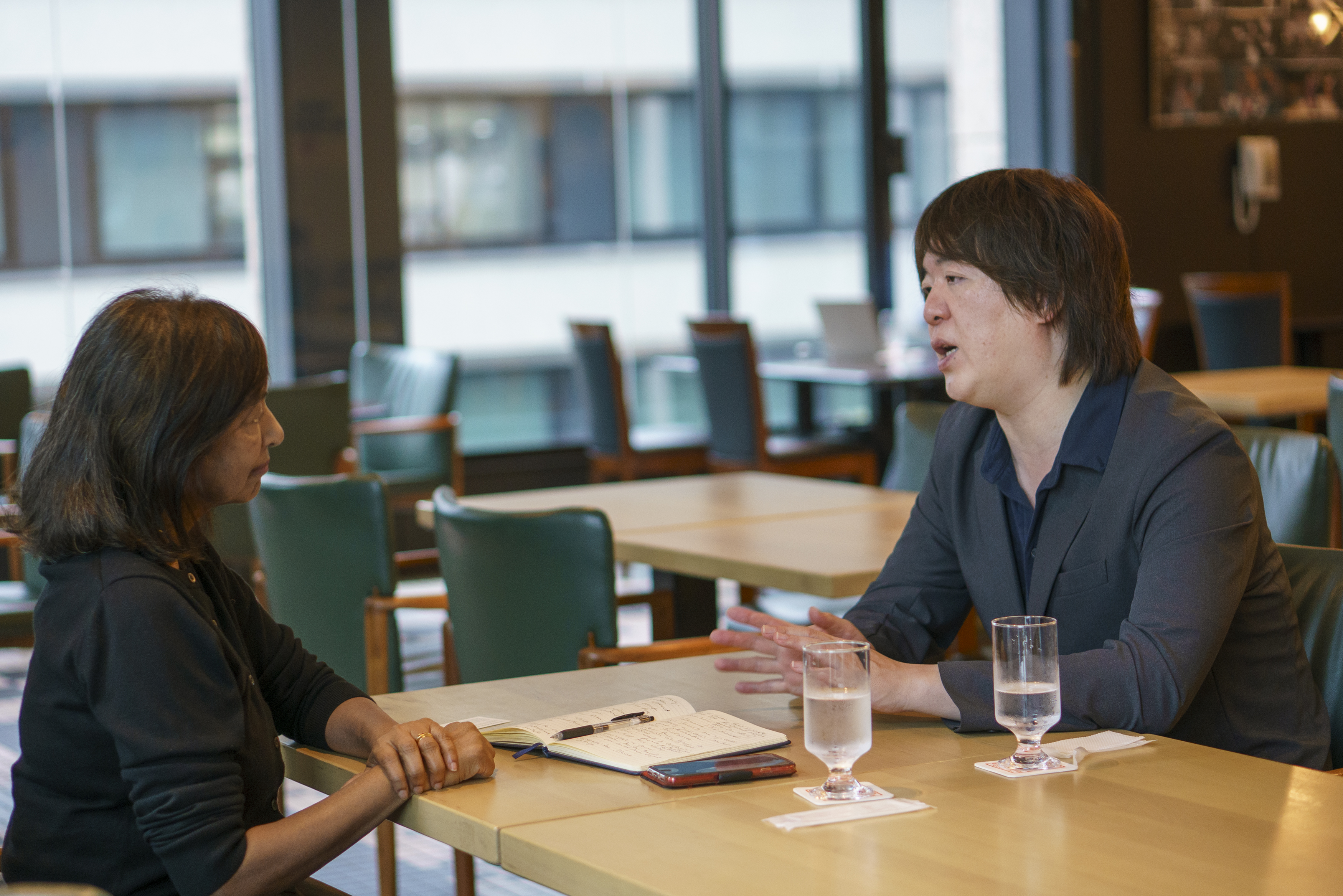
Destination tourism is the research focus of Jin Nakamura, an FCCJ Professional Associate member and a professor at Atomi University in Tokyo. In an interview with Number 1 Shimbun, the FCCJ member since 2019 explained how Japan’s concept of landscapes is defined by the legacy of historical stories and experiences. But cities and towns are now recreating themselves with new images that often have few links to tradition.
With over-tourism and pressure mounting on Kyoto, Tokyo and other cities, “the tourist industry sees the concept of destination tourism as a lucrative way to draw people to alternative places,” said Nakamura.
Japan has set a goal of 60 million inbound foreign visitors annually by 2030. Partly lured by the cheap yen, Japan’s inbound market has expanded boundlessly during the past few years, topping 42 million visitors in 2024.
“The next step for the industry is to sustain the high flow of foreign and Japanese visitors,” said Nakamura. Indeed, Japan is offering more theme-centered destinations. Nakamura pointed to the recent launch of the Harry Potter theme park in 2023 by Warner Brothers in Toshimaen, Nerima as an example.
Nerima has zero connection historically or culturally with the Harry Potter books or the film, Nakamura noted. “But the theme park has successfully turned Nerima ward’s image as a Harry Potter site.”
One million visited the theme park last year, according to its website, which showcases a constant flow of special attractions such as classes on magic lessons and education tours through gorgeous Harry Potter film props. Nerima ward also reports a three-fold rise in local transport revenue linked to the new site, according to the Japanese media.
Disneyland in Urayasu, Chiba prefecture as another example of the boost received from repurposed tourism. Urayasu, once a low-key suburb of Tokyo, is now a top tourist earner — packed with Japanese and foreigners throughout the year, catered to by many hotels and restaurants in the area. “Urayasu is linked to the world- famous American Disney entertainment company despite the fact that the location was once a far cry from its new makeover,” pointed out Nakamura.
An ongoing makeover by Tateyama City on the Boso Coast in Chiba Prefecture is also a new academic interest for Nakamura. The city has launched a destination site targeting tourists enrolled in Japan’s popular Furusato Nozei or home-town tax scheme. The scheme was started in 2009 to attract donors, or people living in rich urban areas, to contribute to decreasing tax revenue of smaller cash-strapped rural governments. A donor’s financial contribution is rewarded with a thank-you gift consisting of local goods plus a tax deduction in their jurisdiction. The gifts represent specialties in theTateyama area including top-grade peanuts and smoked fish delicacies.
Nakamura explained that Tateyama City is now preparing a new identity for the city as a tourism destination for concerts and events.
One example is Tateyama City’s collaboration with Camellia Factory, a popular Japanese female idol group. “Camellia” is a flower designated as a symbol of Tateyama City. The band and the local government have created gift schemes for donors to participate in concerts. Donors can also design manhole covers with the artist group as a gift from the local community. The scheme creates a visible link between the city, the artists, and their fans
“Tateyama City hopes to attract the younger generation and foreign fans of Japanese idol bands,” said Nakamura. It will be a place for tourists looking for a different kind of fun and relaxation away from Tokyo.
Japan’s culinary delights and films are also being investigated by Nakamura as themes for stories to create new destination tourism sites. “There are popular landscapes in films and also ingredients in Japanese food that offer a lens to villages and towns to develop immersive experiences and make places attractive to visitors,” he said. Interestingly, Nakamura thinks the FCCJ is a big part of his research. “Attending press conferences and events in the Club provides valuable information for my writing and opens new horizons adding critical nuances to my studies,” he said.
Suvendrini Kakuchi is Tokyo correspondent for University World News in the U.K.
