


Issue:
July 2026
Anthony Trotter reports from Japan’s largest women’s prison, where care and control are hard to separate.
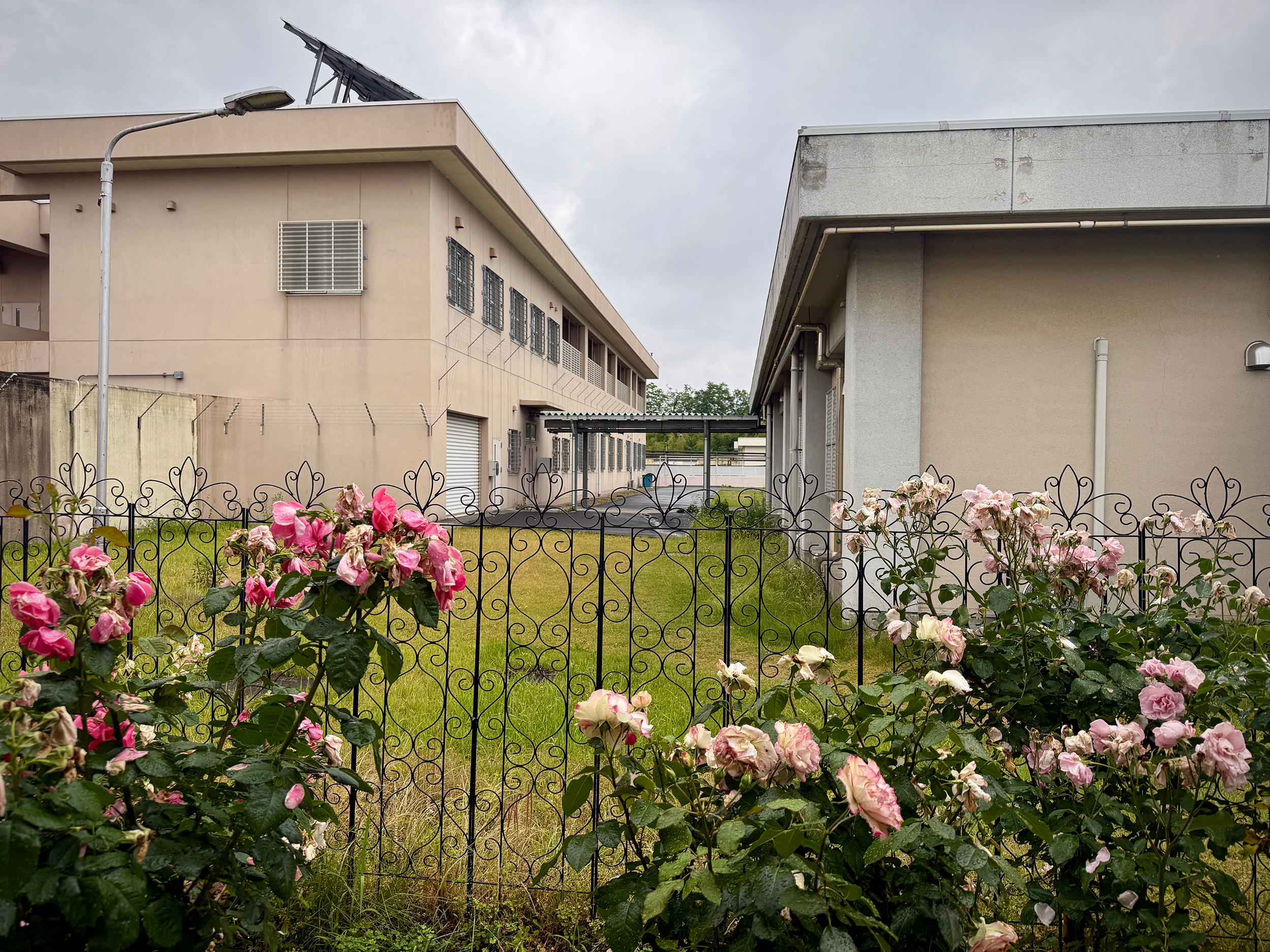
In May, I visited Tochigi Women’s Prison, the largest of Japan’s 12 women’s prisons. At the time, it housed 456 inmates and about half as many staff.
Video: https://youtu.be/wzfNPyNTxBM
The prisoners moved in silence, marching past in formation. Some sat sewing. Others folded bright, intricate origami figures under supervision. Inmates wore head-coverings and white surgical masks, so their faces were half visible.
I was told not to speak to the inmates. If any of them spoke to me, I was to tell an officer. A few looked back. We exchanged small nods, just enough to acknowledge another human being was there. Nobody got reported.
The prison’s history reaches back to the Meiji era, but the current facility dates to 1979. The prisoners range in age from 19 to 91. The average age is 51.
“Elderly inmates are paired with younger inmates so they can look after each other,” says Warden Kiyochika Miyoshi.
It did not have the lurid atmosphere of women-behind-bars films. Nothing looked suspicious or chaotic. There was no air of cruelty, just order.
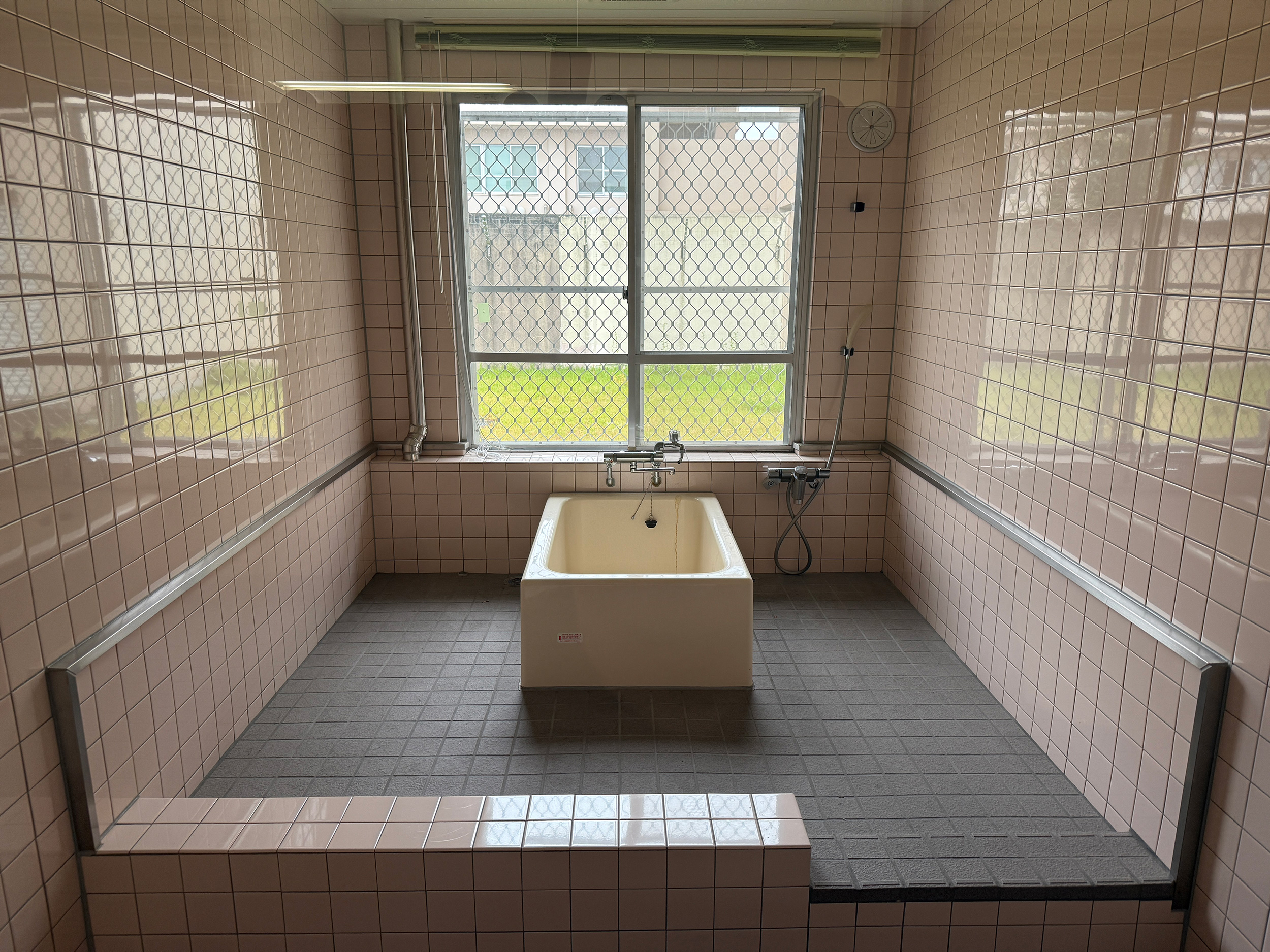
The bath area looked practical, almost clinical. The gymnasium was large and clean. There was a library with books in Japanese, English, and French.
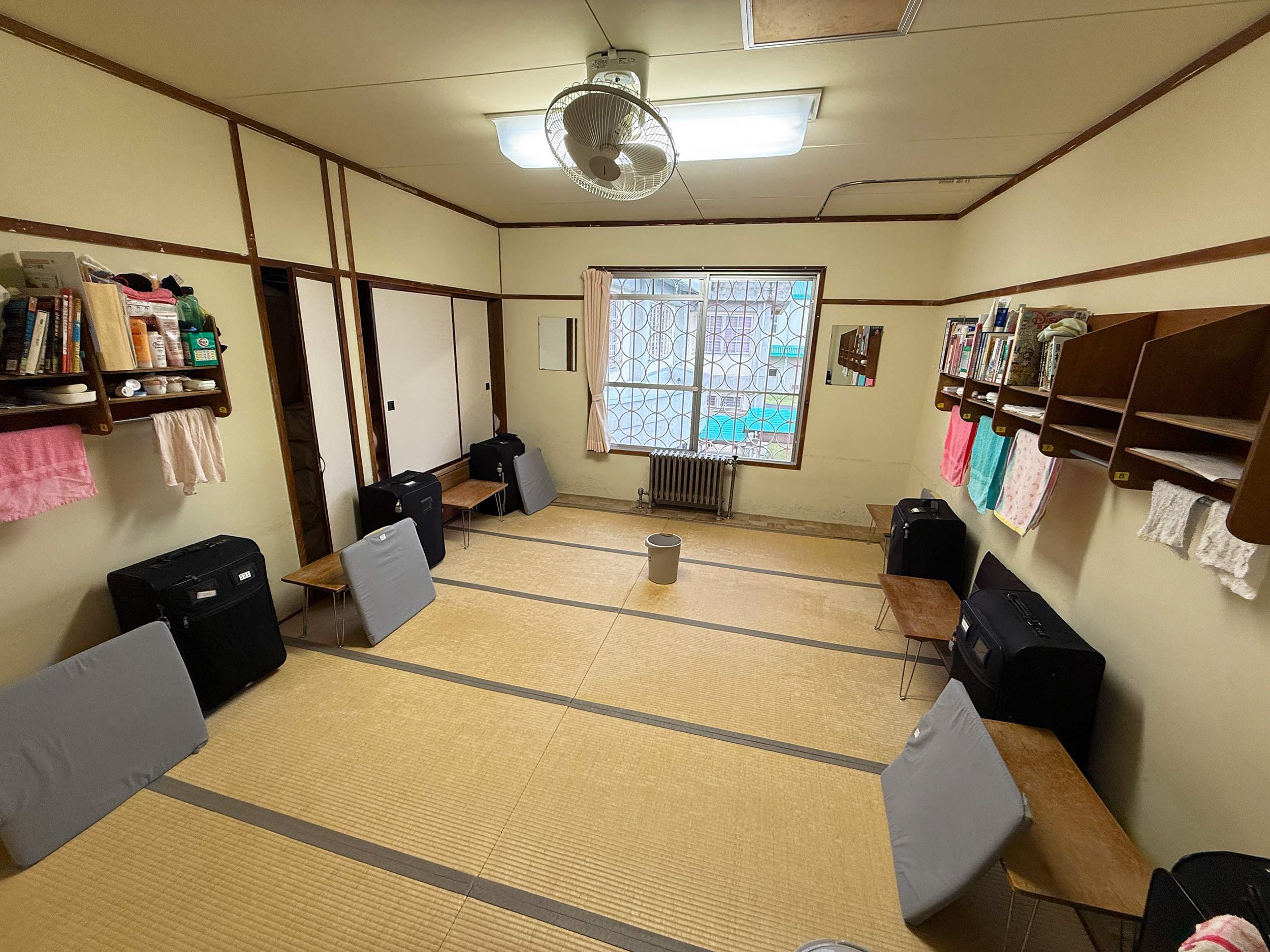
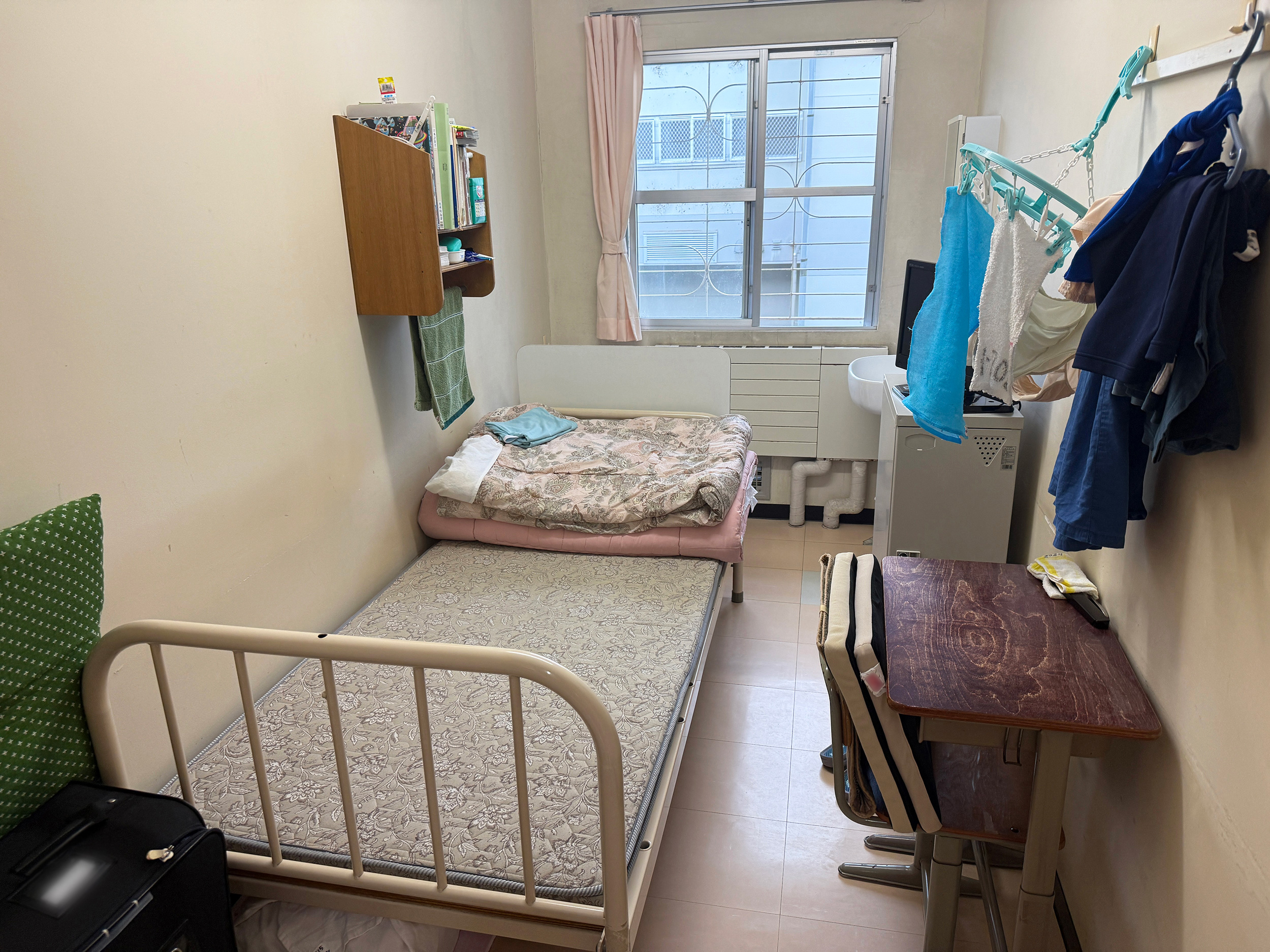
Shared living spaces inside the prison looked like small Tokyo apartments. Single-occupancy cells had a bed, desk, shelves, and a window. Clothing hung on the wall. The only difference was that women living in those ordinary, almost comfortable rooms could not leave.
Bedding was folded with military precision. Personal items sat exactly where they were supposed to sit. “Even the angle at which items were placed matters,” an official said more than once, as if to drive the point home.
Koichi Hamai, a Ryukoku University professor and former Justice Ministry official, warns that quiet and clean should not be mistaken for humane. “In Japan’s prisons, order is kept through discipline, pressure to conform, and meticulous rules, not by visible force. As a result, opportunities for proactive, autonomous action are severely limited.”
Prison life, built on complex rules and pressure to conform, can seem less like an exception to Japanese society and more like an amplified version of it.
No concertina wire crowned the walls of the facility. Guards carried no visible weapons or pepper spray.
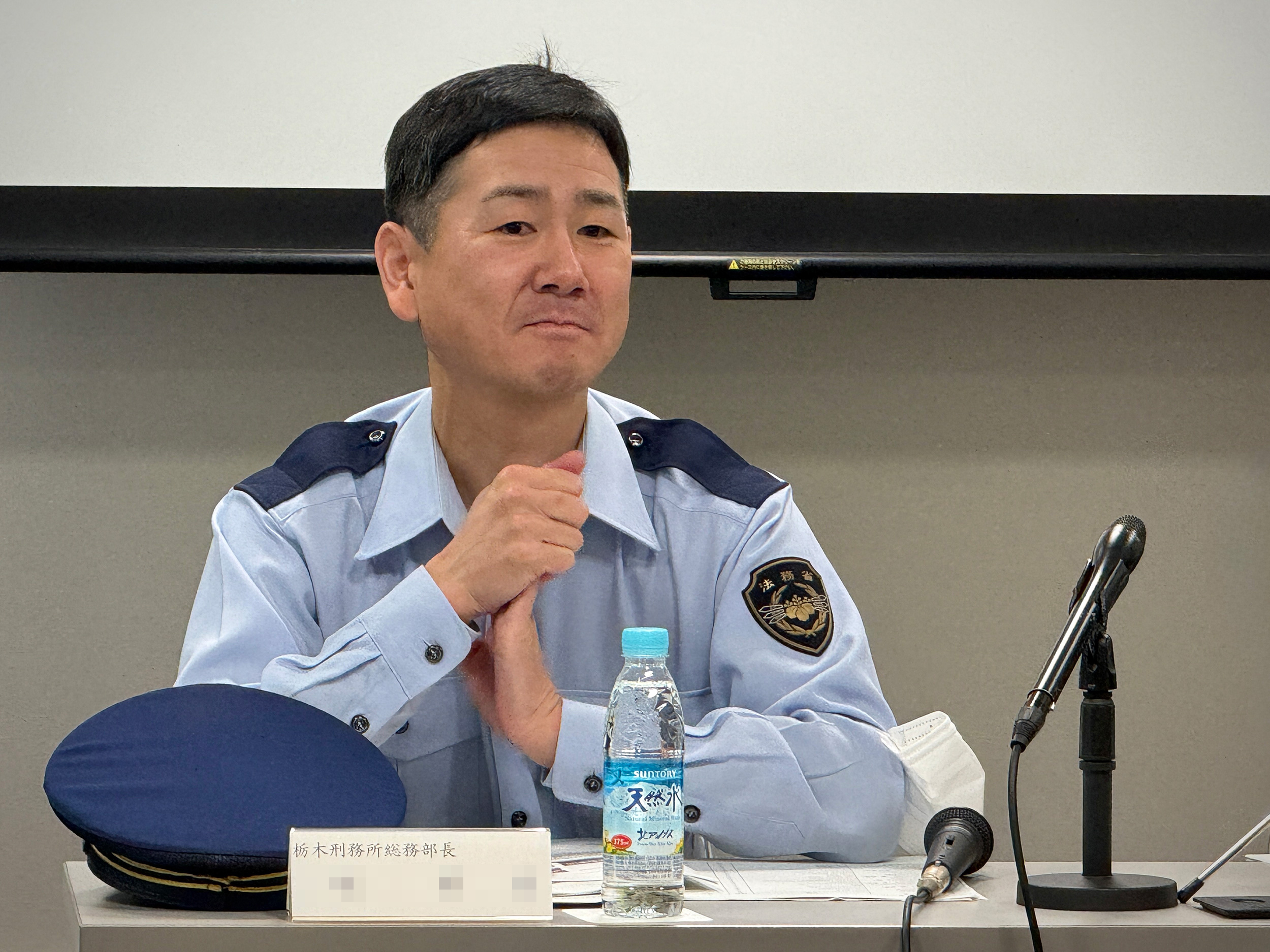
Hirotsugu Hori, a senior Tochigi Prison official, said Tochigi Women’s Prison had seen no cases of direct unrest by prisoners. When pressed on why, he pointed to formal complaint procedures and daily dialogue. “There is a system of trust which is built between the inmates and the officers here,” he said.
Hamai is more skeptical. Trust inside a prison, he says, is finite. Staff control physical safety, meals, communication, discipline, medical care and reports that follow a prisoner through the system. In that setting, trust cannot be equal.
One of the prison’s newer rehabilitation initiatives is the “reflection room.” It is meant to soften the usual officer-inmate dynamic. Officials said one-on-one talks can become too top-down, so the room uses a third staff member as an observer. The inmate speaks first, freely, about what she thinks and feels. The officer listens without immediately answering. Then the officer and observer talk through what was said.
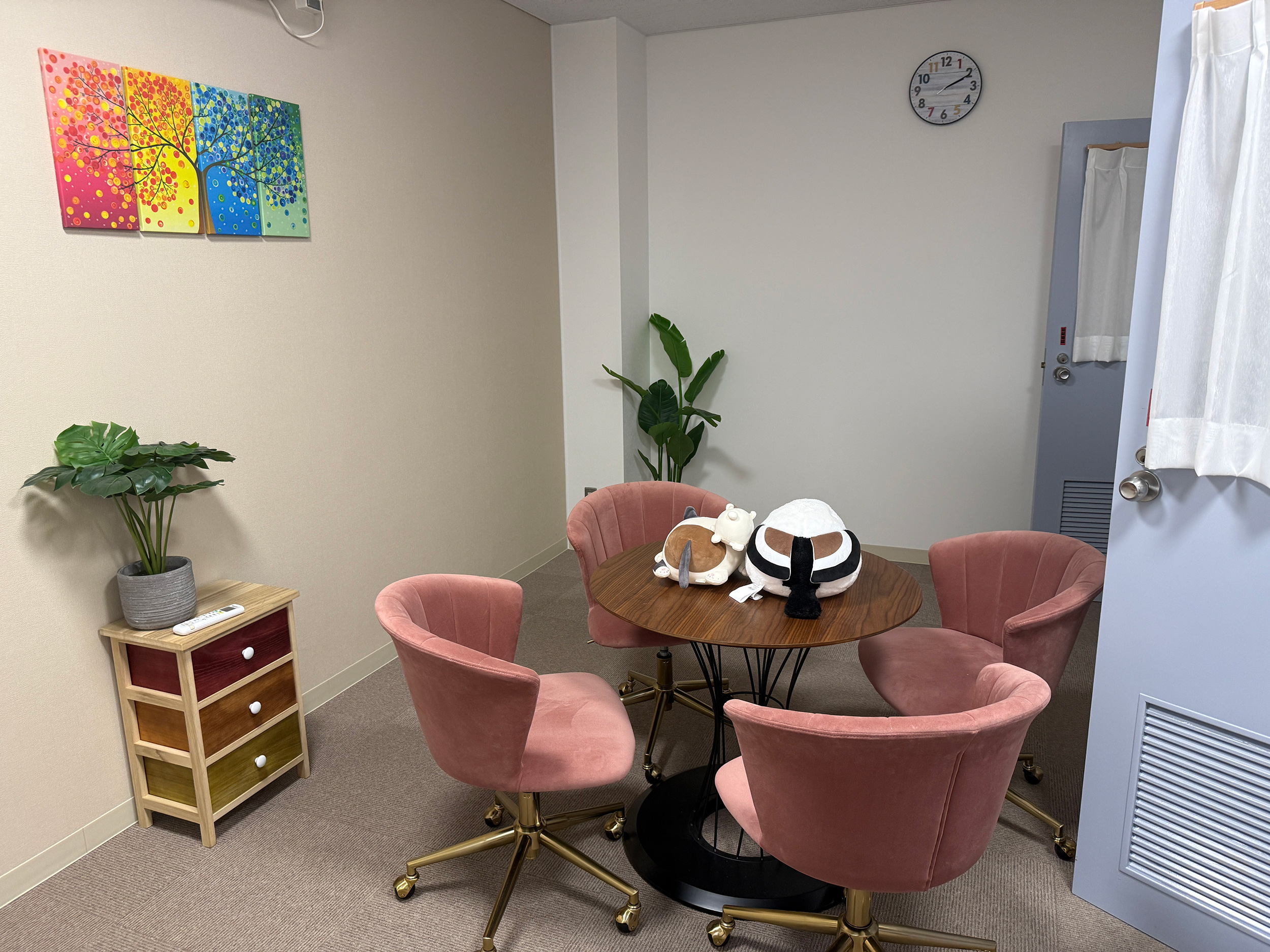
But even that freedom is designed, observed and managed.
Labor is not optional. Shifts start at 7:40. The prison decides what work each woman does.
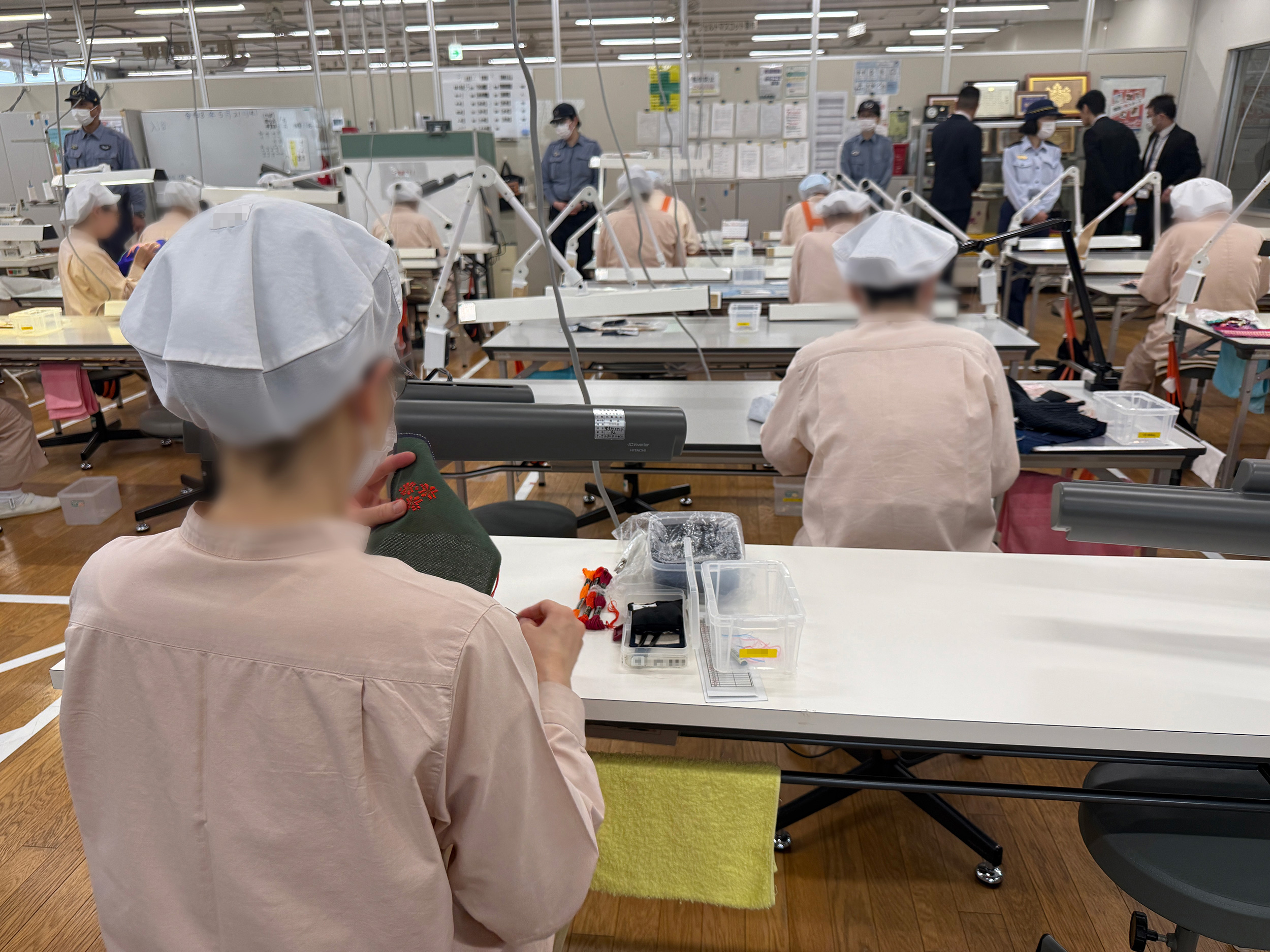
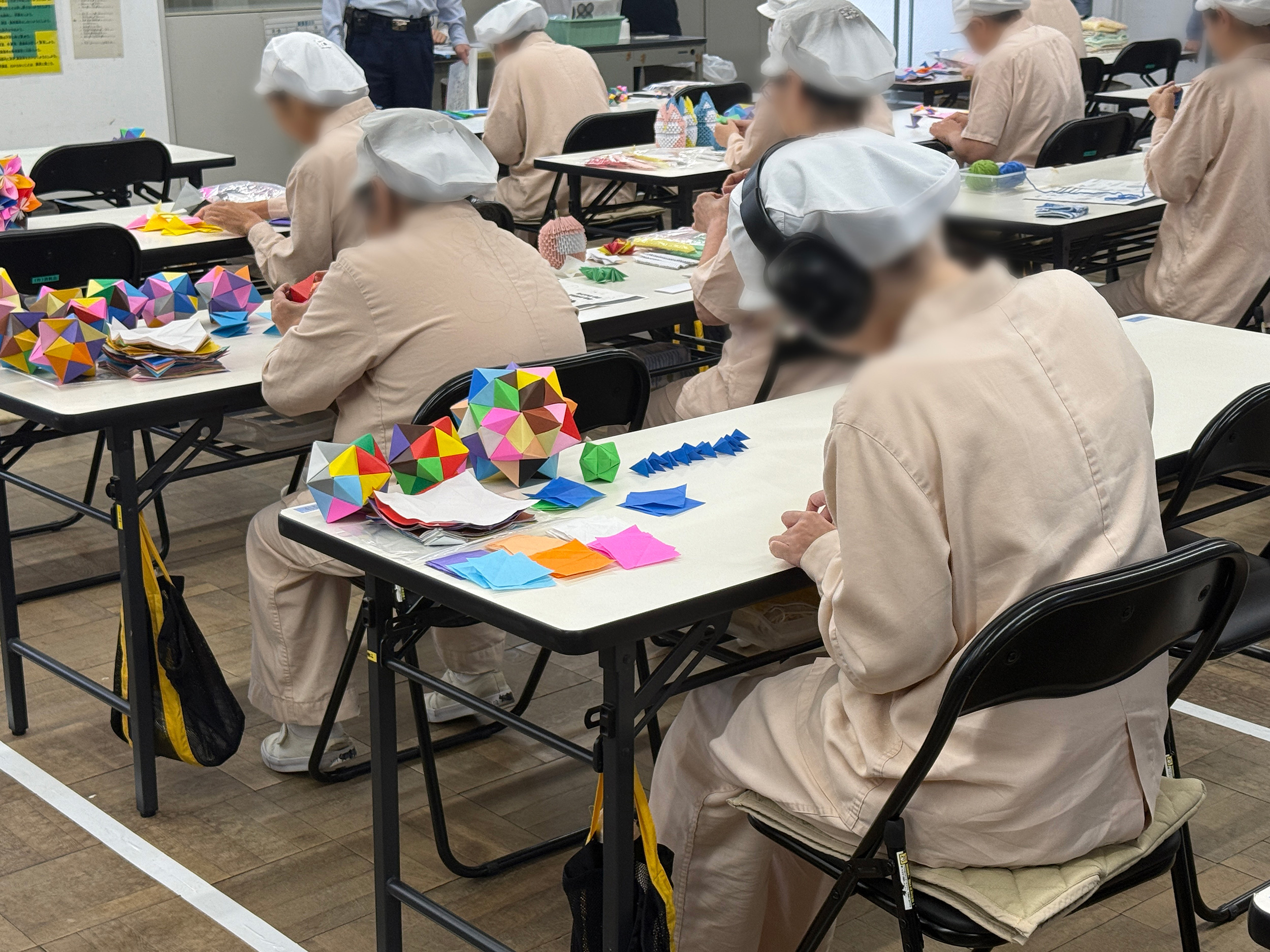
Some women sat at sewing machine stations. Some hand-stitched banners. Others, deemed by prison officials to be too elderly or to have mental or intellectual disabilities, were assigned to “functional work.” They folded paper in relative silence.
Hamai says functional work serves several purposes at once. It can help maintain hand movement, cognitive function, emotional stability and group routine. It is rehabilitation. It is welfare-style care. It is also prison management.
Here, Tochigi starts to look like more than a place for confining society’s criminals. It also seems to function as a place for women who fell through the cracks. Japan’s prisons, especially women’s prisons, are shifting from houses of punishment toward something closer to social welfare institutions.
According to Hamai, elderly women are arriving to prison with broken family ties, low pensions, unstable work histories, mental illness, or isolation. “They are not always there because they are dangerous. They are there because there was nowhere else strong enough, or willing enough, to hold them.”
Hamai is blunt. Japan’s social services can pass people from office to office. Prison cannot refuse them. “Prison has become society’s last safety net.”
Warden Miyoshi says the nationwide decline in the female inmate population and the cost of refurbishing the aging facility have doomed it. Tochigi Prison is set to shutter in 2028. For the women still there, the next stop is less certain.
“There are several facilities within other prefectures in Japan,” he says. “So the inmates will be divided and spread throughout these other facilities.”
Anthony Trotter is a multi-role journalist, cameraman, and reporter for ABC News in Tokyo. He is a former secretary of the Foreign Correspondents’ Club of Japan.
