


Issue:
July 2026
Mark Schreiber visits the remote gravesite supposedly containing the remains of seven Japanese war criminals executed in 1948 - who some want to rehabilitate.
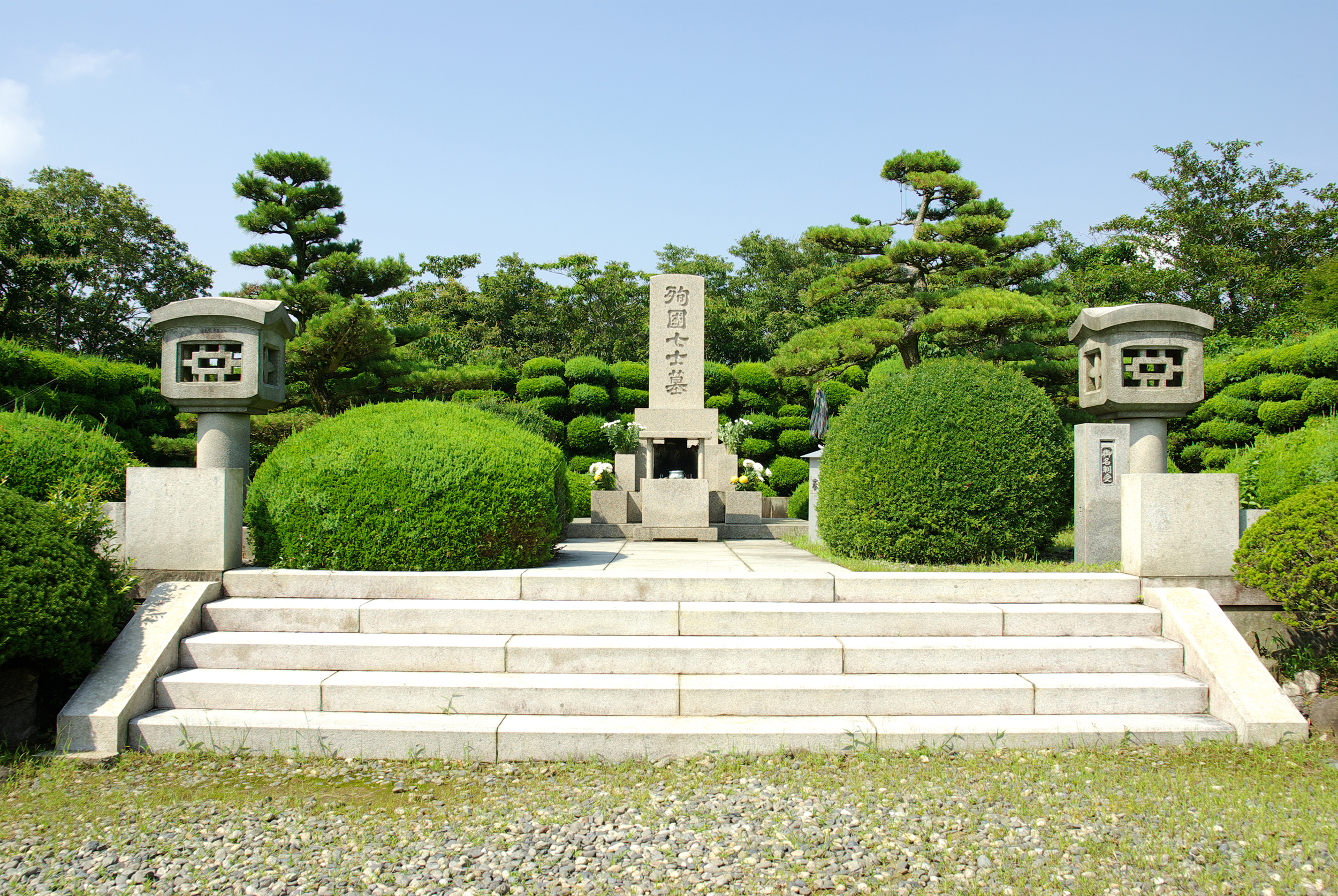
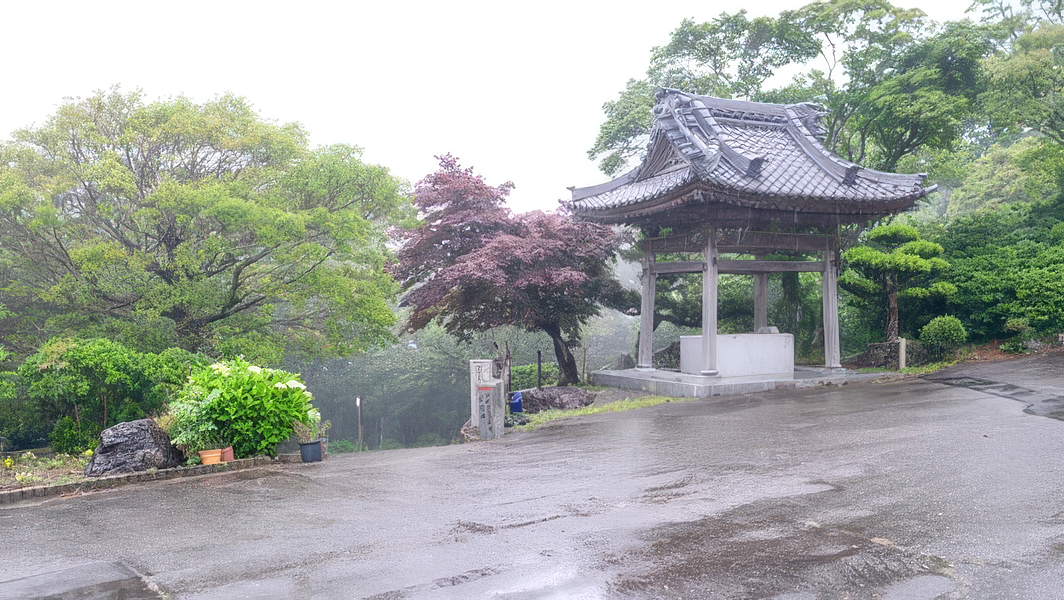
Ascending to the top of Mt. Sangane in eastern Aichi Prefecture is no easy task. The remote access road is heavily forested on both sides, and on the day of our visit, June 7, not only was a torrential rain falling, but a layer of low-hanging clouds further reduced visibility. After several dozen twists and turns, we encountered a booth where an elderly man sat, collecting fares for a toll road which gave access to the summit.
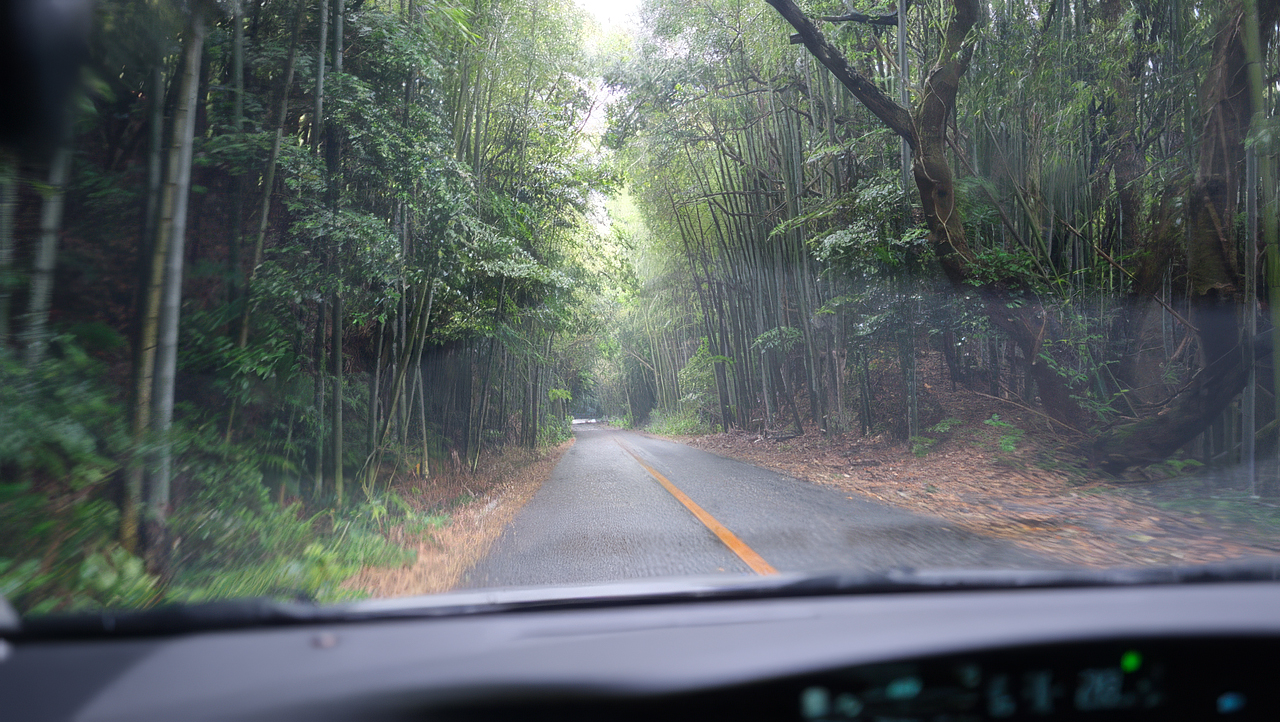
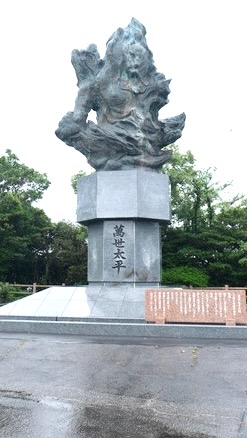
Needless to say, GPS navigation proved indispensable; at last our car pulled up to a level clearing just below the Grave of the Seven Martyrs (Junkoku Shichishi-byo). When we arrived, just before noon on a Sunday, no one else was in sight. The facility maintains a small office, but does not operate on weekends.
The Sangane site marks the grave of the seven Class A war criminals, six military leaders and one civilian, who were executed by hanging on December 23, 1948 after being convicted of war crimes and sentenced to death at the Tokyo Tribunal. The seven included two former prime ministers. In alphabetical order, they were: Gen. Kenji Doihara (65); Koki Hirota (70); Gen. Seishiro Itagaki (63); Gen. Heitaro Kimura (60); Gen. Iwane Matsui (70); Gen. Akira Muto (56); and Gen. Hideki Tojo (63).
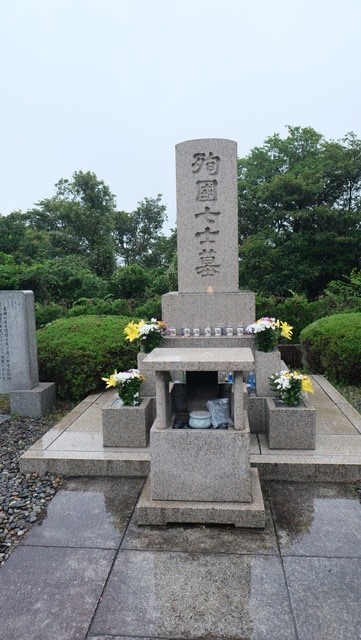
Tojo, incidentally, had the distinction of being the sole national leader during World War II to have been executed by the allied powers. All the others, such as Italy’s Benito Mussolini, Pierre Laval of France, Ion Antonescu of Romania and Vidkun Quisling of Norway, were executed by their own countrymen.
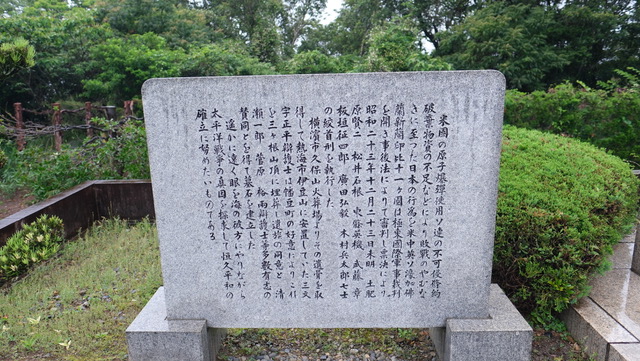
To the immediate left of the men’s grave, an inscription on the stele reads:
“Due to Japan's actions, which inevitably led to its defeat, including the use of atomic bombs by the United States; the Soviet Union’s abrogation of the non-aggression treaty; and dwindling supplies, the United States, China, Great Britain, the Soviet Union, Australia, Canada, France, the Netherlands, New Zealand, India, and the Philippines — eleven countries in total — convened a Military Tribunal for the Far East. Based on ex post-facto laws, they came to a verdict and, in the early morning of December 23, 1948, seven men (named herein) were executed by hanging.
“Their remains were recovered from the Kuboyama crematorium in Yokohama City and placed in Izusan, Atami City. With the kind cooperation of Hazu Town, Aichi Prefecture, attorney Shohei Mimoji buried them on the summit of Mt. Sangane, and with the consent of the bereaved families and the support of attorneys Ichiro Kiyose and Yu Sugawara, among many others, a grave marker was erected.
“Looking far across the sea, we should continue to explore the true causes of war and strive to establish lasting peace.”
To those familiar with the postwar narrative, however, one question almost certain to arise is, whose remains lie beneath the grave? The U.S. was unambiguous in that it wanted to avoid glorification of the men’s remains, and certain facts are beyond dispute.
Following the executions at Sugamo Prison in Tokyo, the seven bodies were transported by U.S. military truck to the Kuboyama crematory in Yokohama.
In December 2020,Hiroaki Takazawa, a lecturer at Nihon University, found a declassified document at the U.S. National Archives in Washington DC that concerned the disposal of the men's ashes.
Link to article: https://www.bbc.com/news/world-asia-57474104
As reported by the BBC, in the document, U.S. Army Major Luther Frierson attested that after witnessing the executions andcremation, he then boarded a plane with the remains placed in separate urns. They flew to “a point approximately 30 miles (48km) over the Pacific Ocean east of Yokohama where I personally scattered the cremated remains over a wide area.” Frierson added that the ovens used for the cremation were "cleared of the remains in their entirety," adding that special care was taken "to preclude overlooking even the smallest particles of remains." (Italics the writer's.)
“In addition to their attempt to prevent the remains from being glorified, I think the U.S. military was adamant about not letting the remains return to Japanese territory ... as an ultimate humiliation,” Takazawa told the Associated Press.
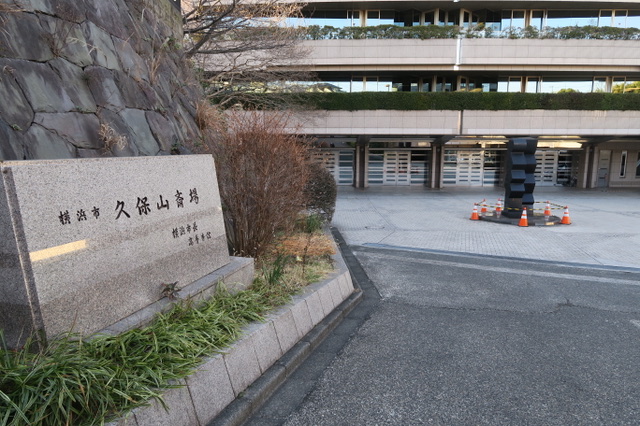
An alternative history, however, claims some of the remains following cremation were secreted at the Koa Kannon temple in Atami, where they were kept for 12 years until completion of the shrine at Mt. Sangane in 1960. Since that year, on each April 29 -- the former birthday of Emperor Showa (Emperor Hirohito, 1901-1989) and since 2007 a national holiday called Showa no Hi (Showa Day) -- supporters have gathered at the seven martyrs’ grave.
Eichiro Tokumoto, writing in Number 1 Shimbun in 2015, described the events of 1948 in an article titled “The secret journey of General Tojo’s ashes.”
Japan has a custom of bunkotsu, where individuals are memorialized at multiple graves, and in the end, it may not matter to conservative followers whether the martyrs’ ashes are actually there or not.
The annual Mt. Sangane pilgrimage has received scant coverage in the English-language media. Before traveling to Aichi, I found only two articles, both critical. The most recent was by China's wire service Xinhua this year and the other in South Korean daily newspaper Joong Ang Daily in 2013.
In “The absurd rite commemorating Class-A war criminals,” the Xinhua article reported:
“Before an audience of some 300 participants, Yuji Adachi, a member of the House of Councillors, brazenly declared that ‘the Tokyo Trials were a grave miscarriage of justice,’” wrote the correspondent. “Hiroshi Morimoto, a former vice president of the Japan Federation of Bar Associations, followed with claims that Japan's legal community had ‘not engaged in sufficient discussion’ of the Tokyo Trials and would ‘pursue further study.’”
The populist party Sanseito might want to see Sangane receiving more attention in the future. Party leader Sohei Kamiya has made numerous public statements favoring the rehabilitation of the executed men.
Last April 4, Sanseito member Kazumi Fujimoto, age 47, a member of the Koda-cho town assembly close to where the memorial is located, posted on her own website:
“Yasukuni in the East, Sangane in the West.”
Koda asked if readers had ever visited the Shrine of the Seven Martyrs on Sangane Mountain.
“JR Sangane Station, located in Koda Town where I live, is the nearest station to Mt. Sangane, which lies on the border of Nishio City, Gamagori City, and Koda Town. However, even local residents don’t know about the “Shrine of the Seven Martyrs” and they don't even know why there’s a stone monument to them in the station plaza.
“I myself only learned about the Seven Martyrs’ Shrine after becoming a council member, and began visiting it after participating in cleaning activities.
“From Koda Town, where the nearest station, Sangane Station, is located, I hope that my message will help to raise awareness among more people, even if only gradually.
“I believe that by protecting and maintaining the beauty of the Grave of the Seven Martyrs, we can provide an opportunity to learn true history and pass it on to future generations,” Fujimoto concludes.
Even if the Sanseito should gain more seats in future Diet elections, one wonders -- given its sheer remoteness -- whether Mt. Sangane will ever develop into a rallying point for the nation's conservative politicians.
A translator, columnist, author, and book collector, Mark Schreiber has lived in Tokyo since 1966.
