


Issue:
June 2026
The annual FCCJ Freedom of Press Awards ceremony on May 28th honored individuals and organizations in Japan and Asia who are fighting to keep press freedom alive.
In an age when government crackdowns on journalists are increasing and technological changes are leading to the world George Orwell warned us about, where those who control the past control the future, this year's awards ceremony honored journalists from Japan and the Asian region for their struggle to preserve the facts, whether about historical events or the present.
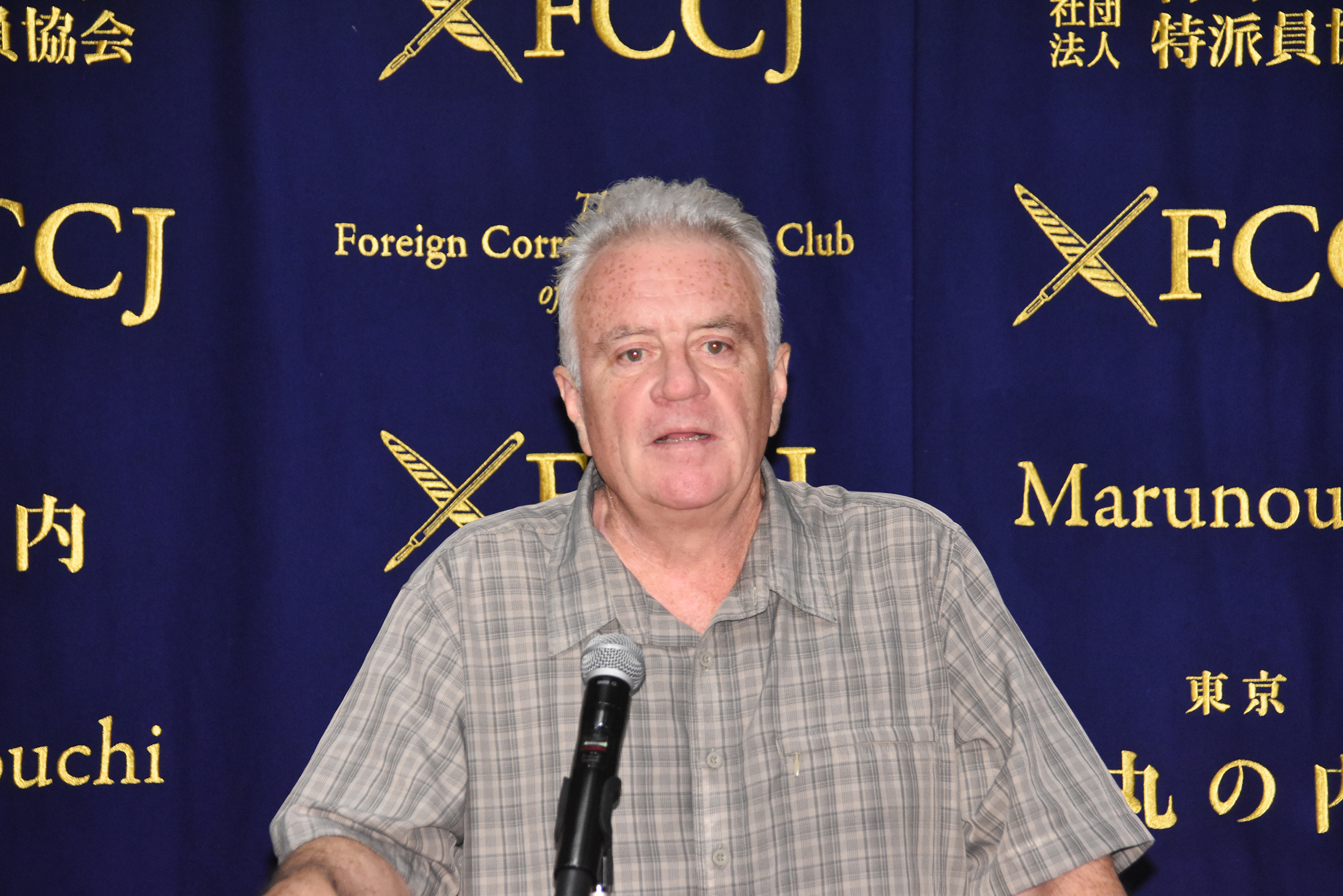
The 2026 FCCJ Freedom of Press committee, co-chaired by David McNeill and Ilgin Yorulmaz, presented awards in the Japan and Asia categories, as well as a Lifetime Achievement award. FCCJ President Dan Sloan noted, however, they are not the only regions where journalism faces difficulties.
“In the 1970s, 70% of the U.S. population thought that journalism's mission was vital, and journalists were trusted. Unfortunately, as of last year, that level had fallen, at least in the U.S., and the value of journalism’s contribution to society is either not perceived or lost in the volume of social media content,” Sloan said.
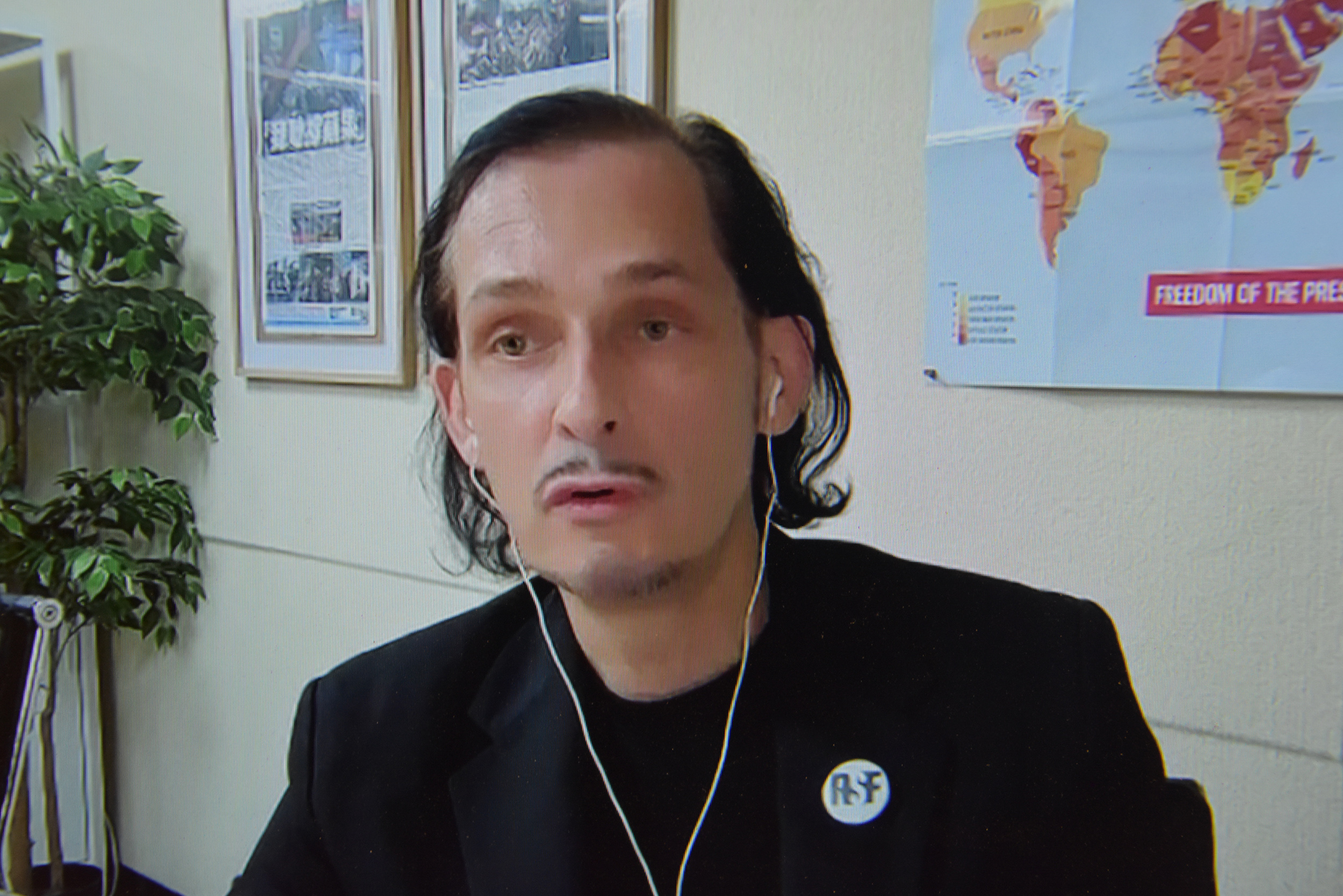
Cedric Alviani, Asia-Pacific Bureau Director of Reporters Without Borders, delivered the keynote speech via Zoom from his base in Taiwan. He pointed out the problems that traditional journalism faces as social media and AI continue to advance.
“The economy of journalism is in a disastrous state because digital platforms have deprived media outlets of their legitimate advertising revenue. This forces media outlets to consolidate, and when they consolidate, they end up in the hands of oligarchs and billionaires worldwide, including in democratic countries. They don’t seriously moderate disinformation content, which makes it easier to disseminate hate speech or create increasingly realistic deepfake videos.”
Physical attacks on journalists continue: over the past two decades RSF has documented over 2,000 journalists killed or missing. Hundreds are in prison.
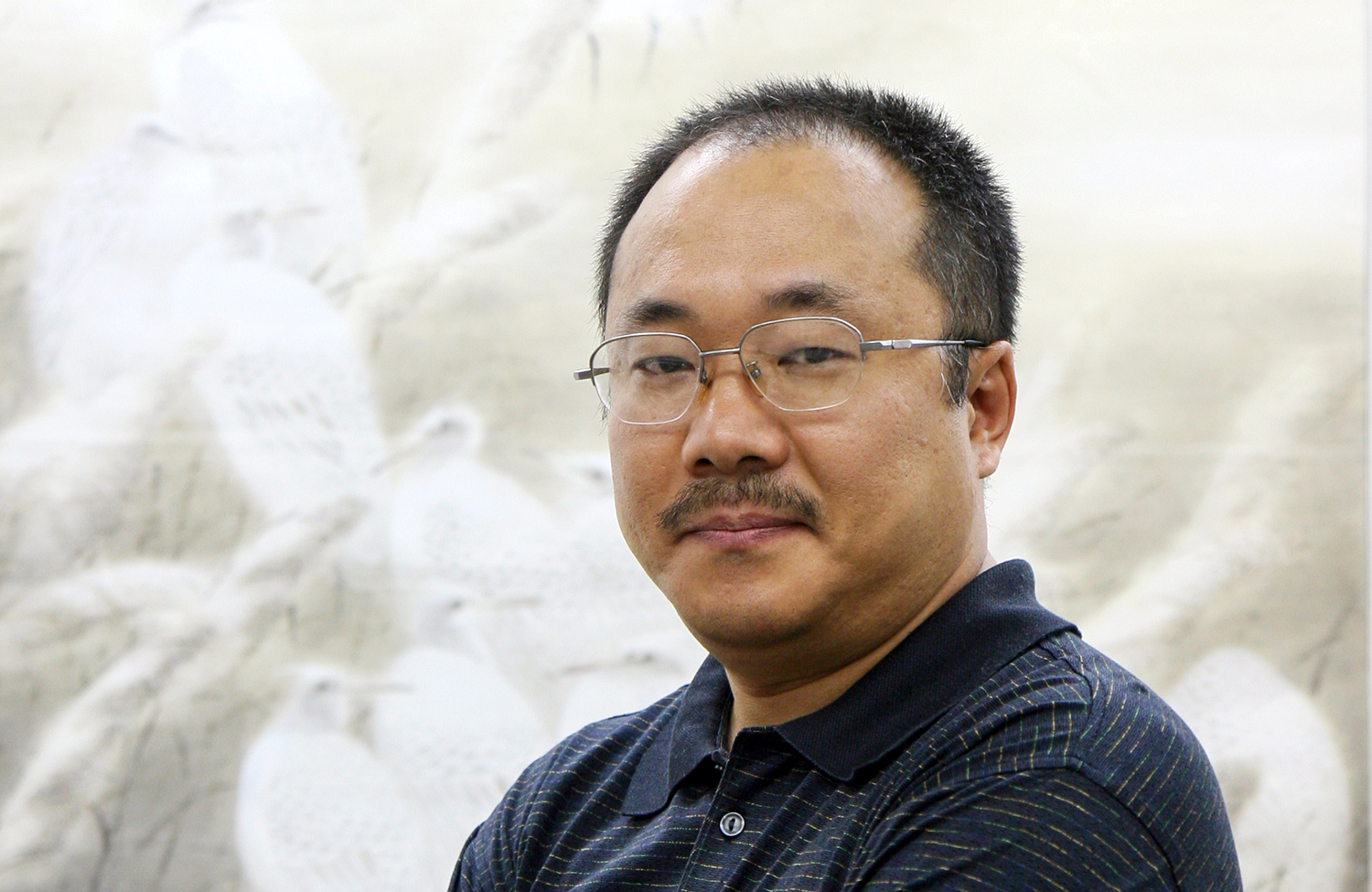
Two of those imprisoned were winners in this year’s Asia category. The Asian Award winner was Dong Yuyu, a veteran editor and columnist at the state-owned Guangming Daily. He was arrested in February 2022, while having lunch with a Japanese diplomat in Beijing, and convicted of espionage in November 2024.
His seven-year sentence was upheld by a Chinese court in November 2025, but according to RSF, the only evidence presented against him was his contacts with foreign diplomats and his scholarships at foreign universities, including a visiting fellowship at Keio University in 2010 and a visiting professorship at Hokkaido University in 2014.
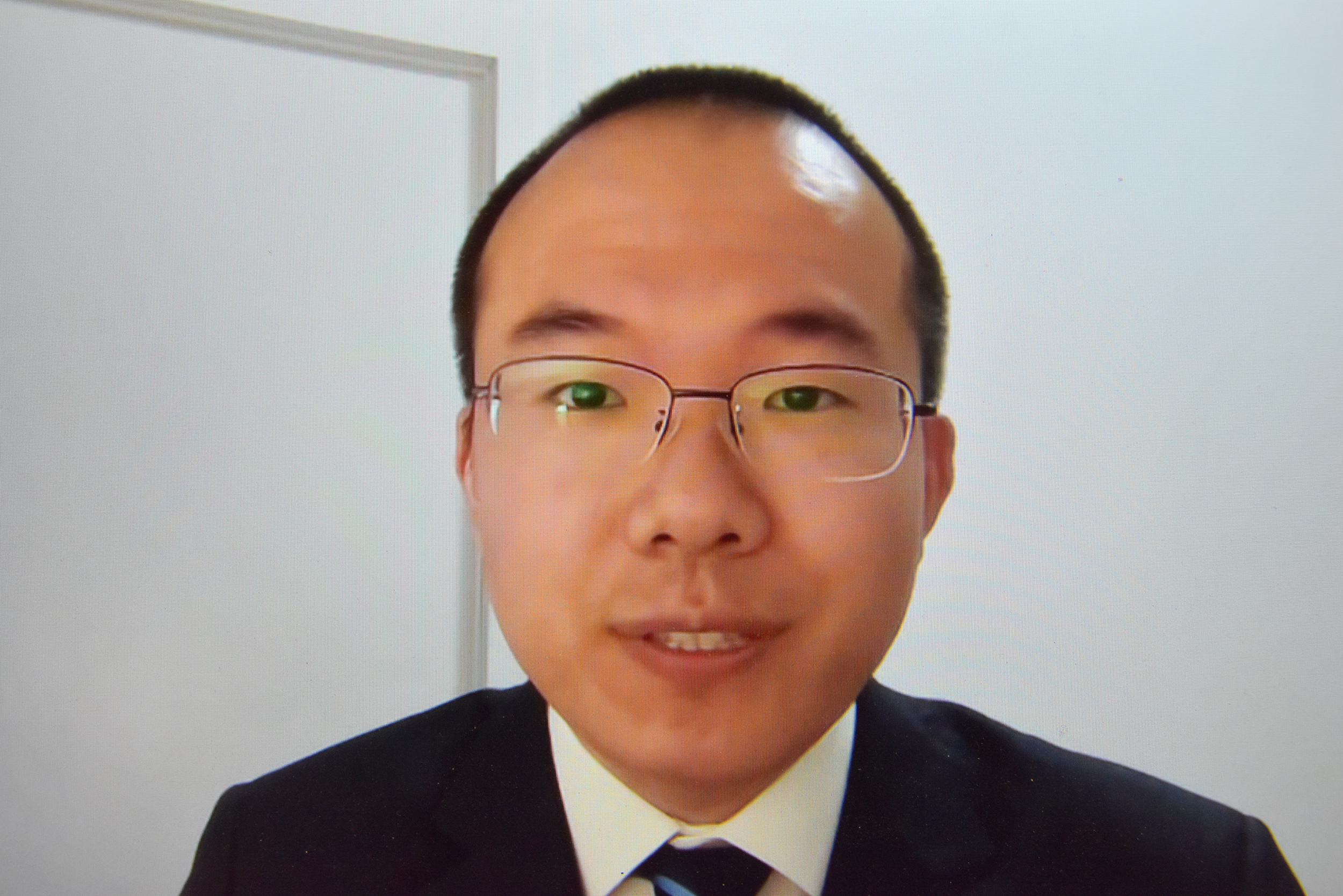
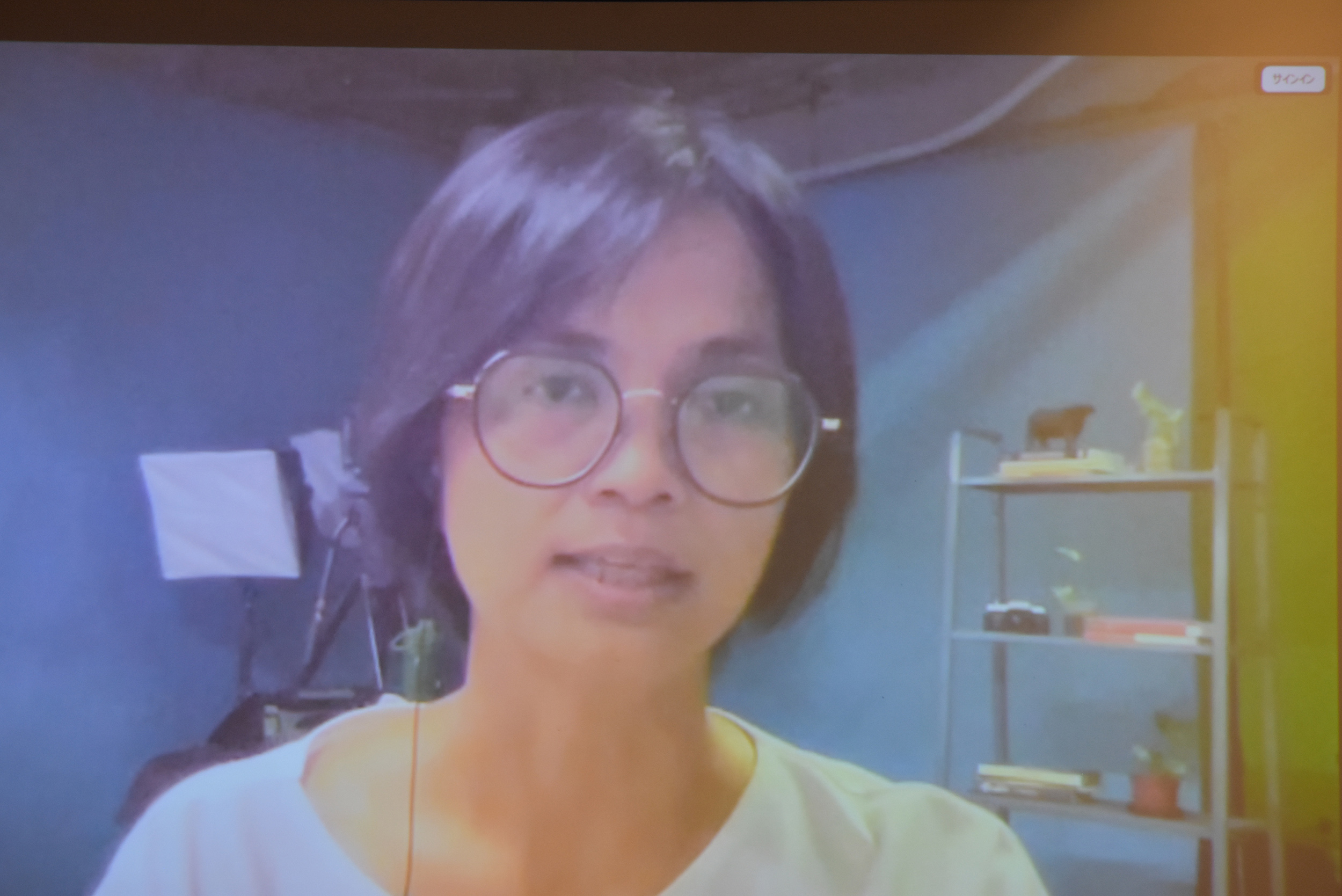
His son Dong Yifu, in an emotional acceptance speech delivered from Canada via Zoom, insisted that the real reason for the arrest was the thousands of columns his father wrote throughout his long career that truthfully reflected the human cost China paid for its development.
“In those articles, he called for government accountability after disasters, called out state owned monopolies on unfair trade practices, criticized police misconduct, advocated for equal citizenship rights for China’s rural residents and workers, and highlighted the abuses by China’s big tech companies,” Dong Yifu said.
“The vast majority of my father’s articles are anonymous or written under a pseudonym, and many of his articles were censored. But this independent thinking made a real impact.”
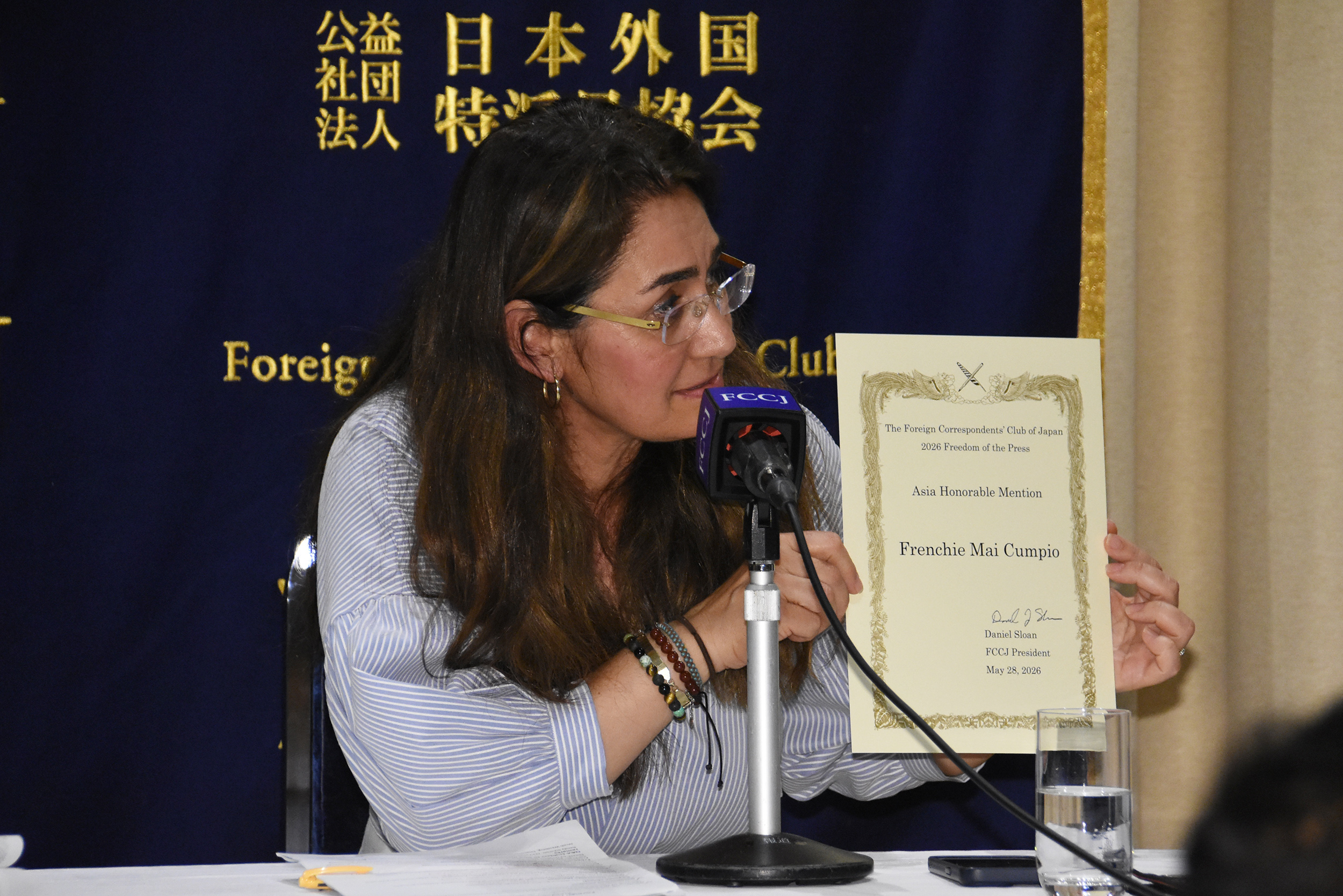
The Asian Honorable Mention Award went to Frenchie Mai Cumpio, a young Filipino journalist who focused on abuses by the military and police in the Eastern Visayas Region. Cumpio faces up to 40 years in prison on what RSF and the Committee to Protect Journalists have called trumped-up charges of “financing terrorism” and “illegal possession of firearms.”
Cumpio’s colleague Rhea Padilla and Frenchie's mother Lala Pio accepted the award via Zoom and explained the larger threat journalists in the Philippines face.
“Since the Marcos administration took office in 2022, we have monitored almost 140 cases of attacks and threats against journalists in the Philippines. Most of these attacks involved state actors like government officials and security forces,” Padilla said.
“Seeking justice is still a painfully slow process. Impunity remains the norm. We persist because we know this isn’t about journalists alone. It’s about building a society where truth is protected, where accountability is real, and where fear doesn't win,” she added.
“Press freedom is not just about journalists. It’s the cornerstone of democracy and it’s our collective responsibility to defend it.”
Defending democracy takes many forms, and one of those is to ensure that the facts are not forgotten, erased, altered, or whitewashed by the same forces seeking to physically silence journalists. That’s especially critical in an age where younger people are turning away from traditional media, with its reliance on accuracy, fact-checking, and original source material.
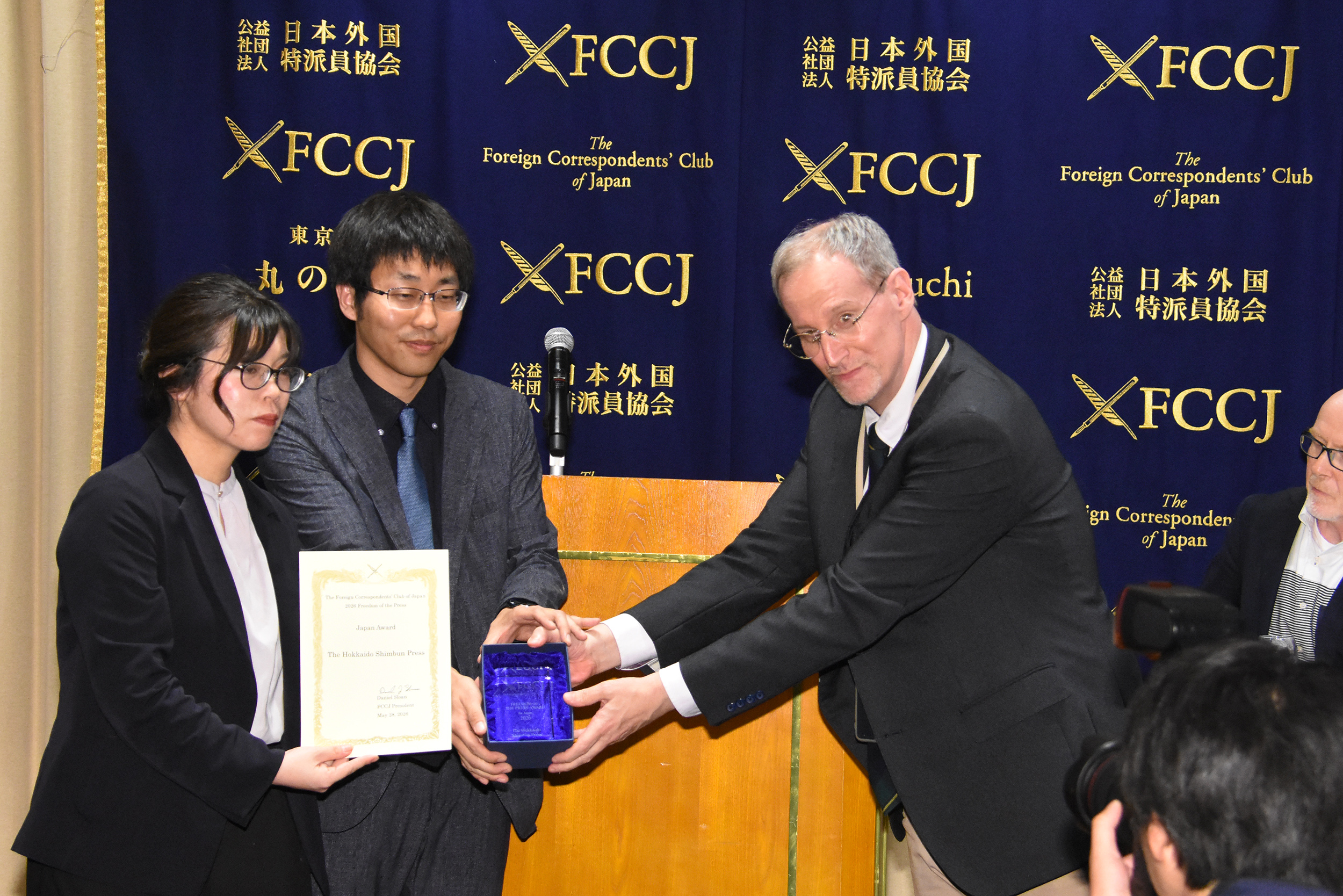
In this spirt, the Freedom of Press Committee gave it’s Japan Award to a younger reporting team at Hokkaido Shimbun for their nearly two-and-a-half-year effort to report the 80th anniversary of the end of the Second World War through over 50 detailed reports that included interviews with the last remaining survivors of the conflict.
In recent years, the term “kotatsu kisha”, a desk-bound reporter who does everything online and never pounds the pavement or directly speaks to sources but does all interviews on Zoom, has become a source of criticism and concern. Such reporting saves money but what at what cost to journalistic values and public trust? But the Hokkaido Shimbun sent its younger reporters to all parts of Hokkaido, and Japan, with the idea that they would have a fresh perspective on the period that would be passed along to a new generation of readers.
Accepting the award on behalf of his colleagues, Hokkaido Shimbun reporter Shungo Kudo said that of the 55 articles in the series , about 70% were written by young journalists who are in their 20s and 30s.
“Many young reporters decided to work on these stories with the simple motivation of wanting to know what their family members had experienced. We focused on gathering materials such as memoirs, diaries, and photographs of war survivors that are buried in people’s homes. We believed that by unearthing the experiences of ordinary people and accumulating records of individual experiences of the war, things that don't appear in history textbooks, we could get closer to the true nature of war,” Kudo said.
“Eighty years have passed since the war. It’s inevitable that those who can pass on firsthand testimonies will disappear one by one. Nevertheless, we believe that war reporting will continue as journalists trace the survivors’ experiences, visit museums, and examine the realities of war, forcing us to sometimes reexamine and reconsider those experiences from new perspectives,” he said.
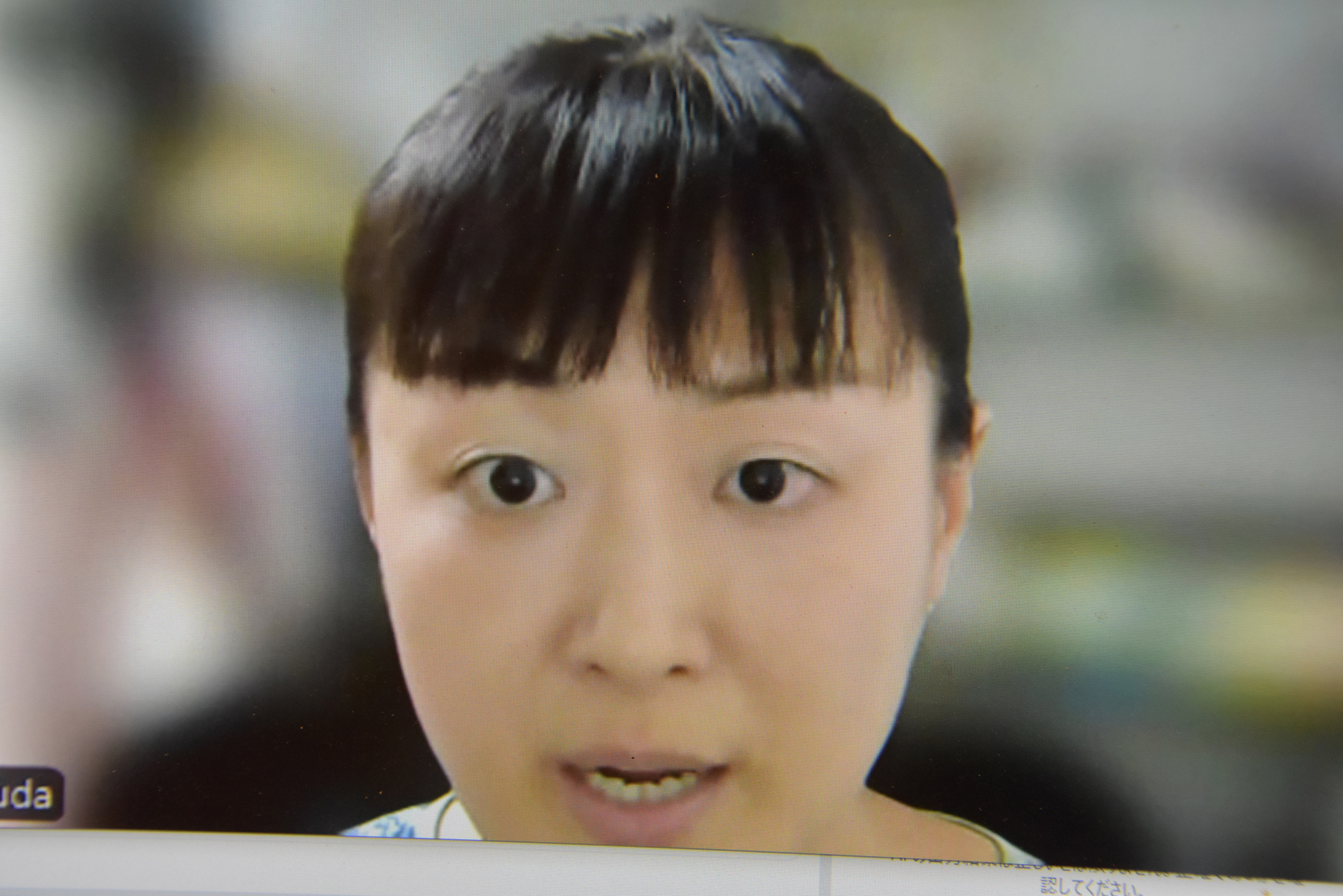
The Japan Honorable Mention award went to Natsuki Yasuda, a photojournalist and deputy director of the NPO Dialogue for People (D4P). She specializes in covering refugees, poverty, and disasters in Southeast Asia, the Middle East, Africa, and Japan.
“In Japan discrimination against minorities is a serious problem, and if the media tries to stay neutral on such issues, we'll end up hiding the unfairness and the built-in violence of our society. In Palestine, where we have spent much of our time reporting, many journalists have been killed by the Israeli military. To stop this violence from silencing the truth, the media must stand together,” she said in a video message.
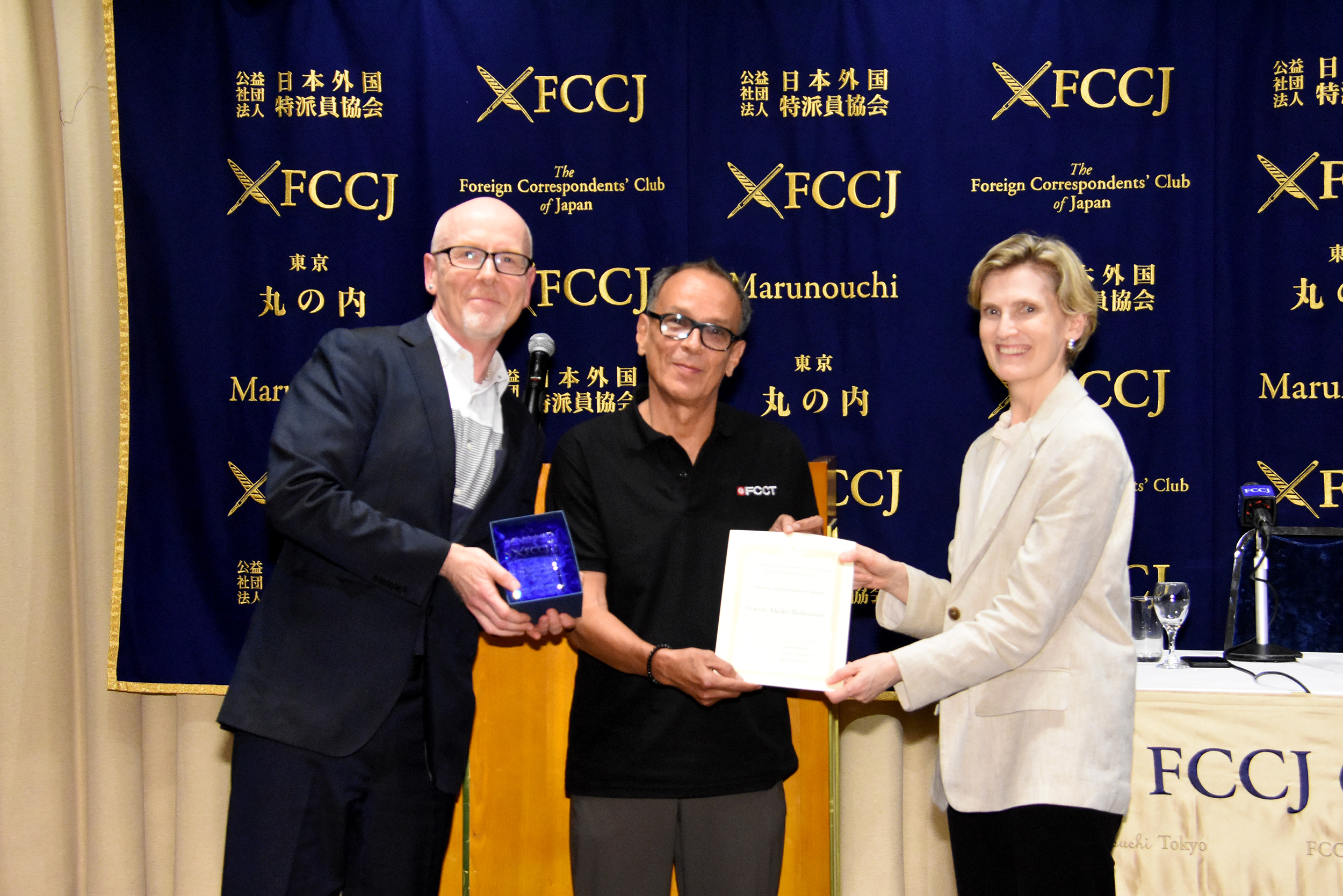
This year’s Lifetime Achievement Award was given posthumously, to Gwen Robinson, a former journalist for The Times of London and the Financial Times, and whose postings included not only Tokyo but also Jakarta, Washington, and Bangkok, where she went on to have an influential role as editor-at-large for Nikkei Asia.
The award was accepted by her brother Mark.
“Gwen’s modus operandi as a roaming journalist took her through the region, gathering people together. Even as she mentored young journalists, taking them under her wing, she’d be dragging media executives out to jazz gigs and telling what they should do,” he said.
“One of the great qualities Gwen had was to be able to be a part of things that brought people together. Freedom of press starts with this kind of association, these personal encounters. Bringing people together, pushing them for stories, getting her own stories out there, and also dealing with the upper echelons were publishing decisions are made---Gwen exerted quite a lot of influence on that end of the scale as well,” Mark said.
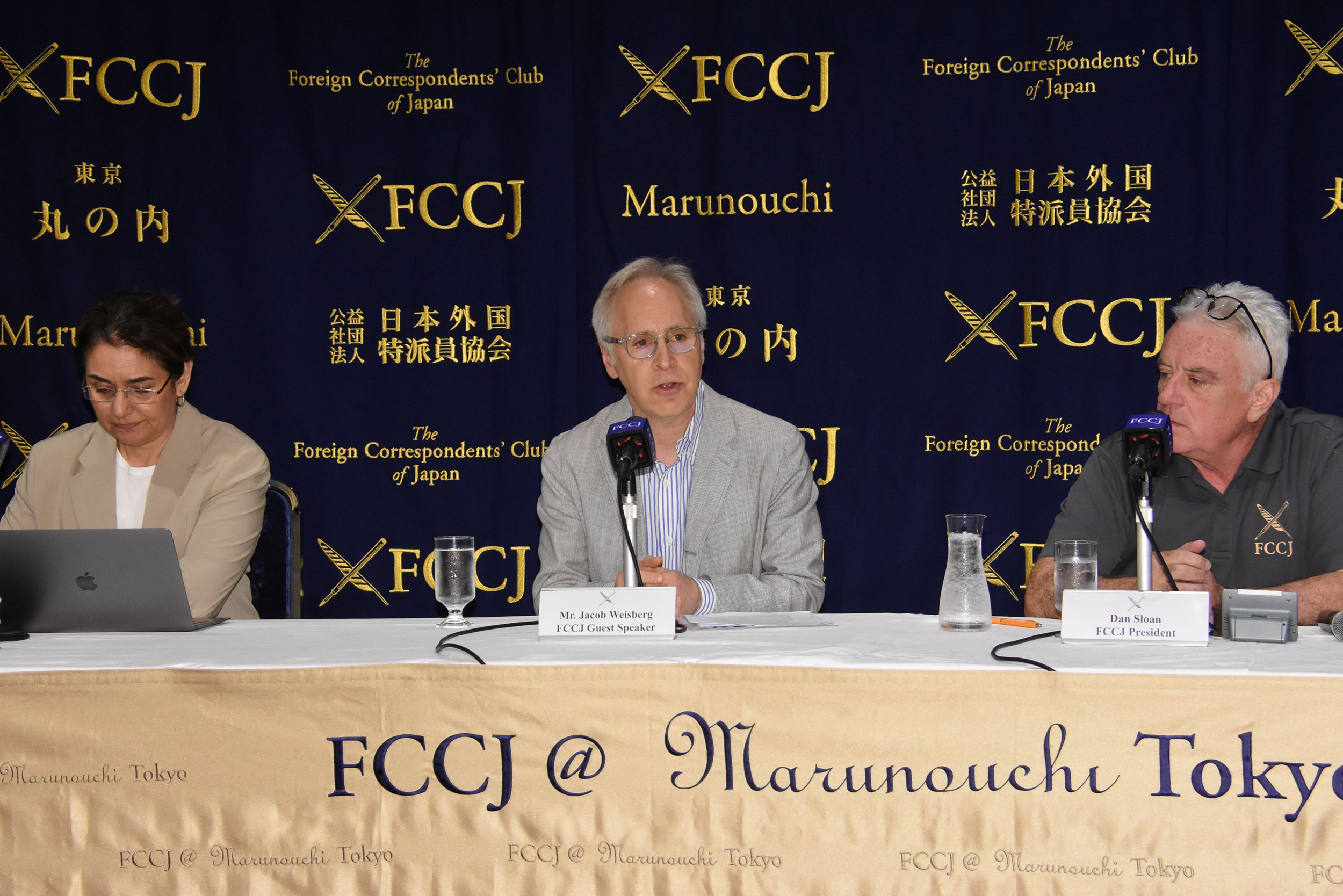
In a recorded message of support, Jacob Weisberg, chairman of the Committee to Protect Journalists expressed his support for FCCJ’s contribution to supporting press freedom around the world. FCCJ board member Randy Schmidt, who serves as the FoP committee liaison echoed his words.
“Freedom of the press isn’t free. It can cost you your freedom. It can destroy your career, and it can sometimes cost your life. But it can also make the world a better place,” he said.
Eric Johnston is the Senior National Correspondent for the Japan Times. Views expressed within are his own and do not necessarily reflect those of the Japan Times.
