


Issue:
June 2026 | Ask an Associate
Midori Kaneko: Patience is the key to changing corporate behavior in Japan.
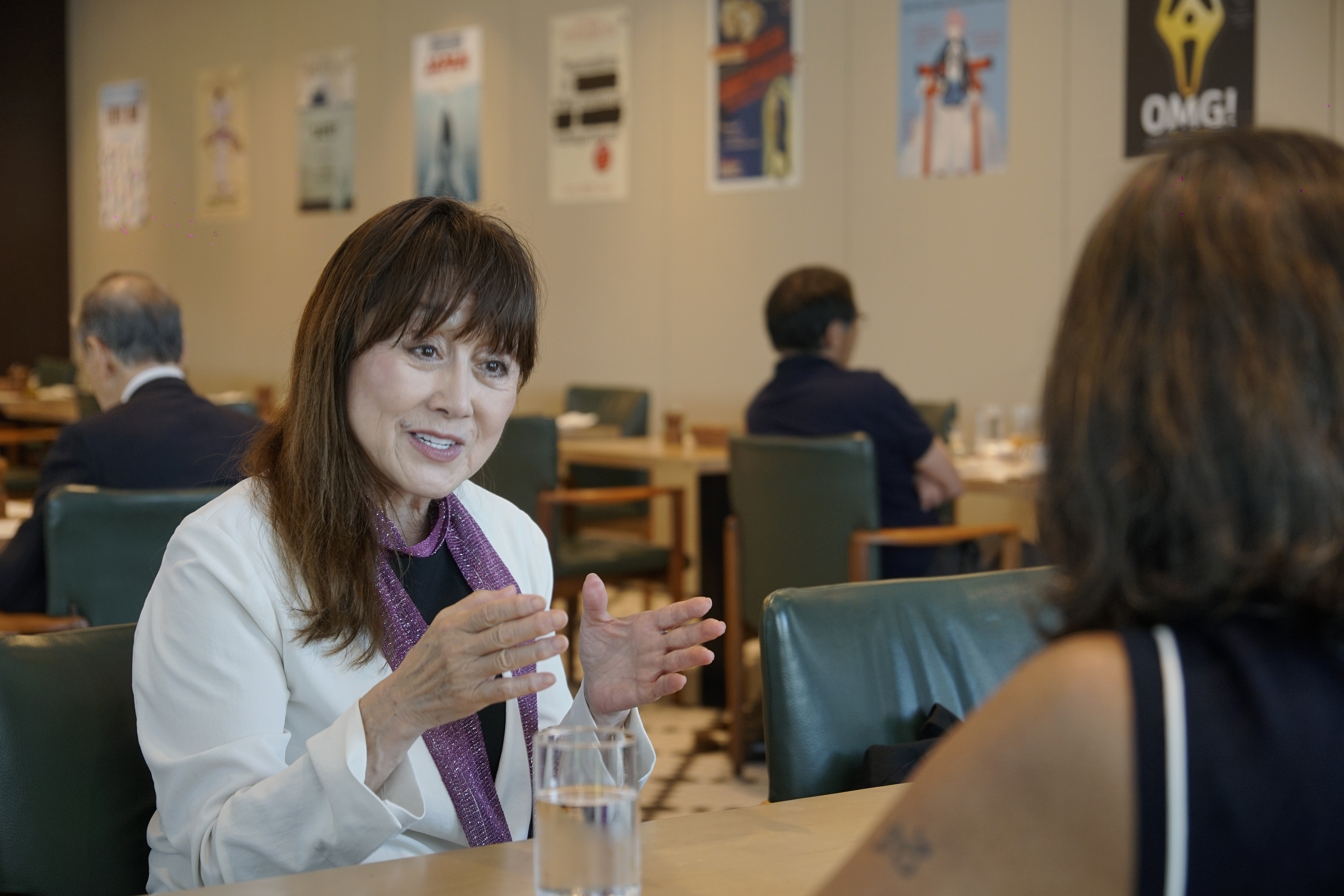
As a 16-year-old high-school student, associate member Midori Kaneko jumped on an airplane alone to the United States. It was a critical decision that remains the backbone of her long and unprecedented career in the Japanese male-dominated cooperate world. In Japanese school, she recalls being restless, bored and dejected over an education that prepared students only for exams. Faced with the prospect of their daughter becoming a school dropout, her parents allowed her to leave. The initiative opened Kaneko, who hardly spoke English, to American life. “I survived in Michigan thanks to the kind hospitality of my American hosts who befriended a little Asian girl,” she said.
That 11-year stay in the US turned into a rich learning experience as she navigated unfamiliar experiences. Returning to Japan, Kaneko`s talent made her special in a country where there were few female competitors with her international expertise. She was soon offered executive management positions in top global companies seeking her skills to succeed in the Japanese market. They included Ogilvy Japan, a leading American brand agency. She was later made executive director at Nestle Japan, and corporate affairs officer at General Electric Japan. The jobs she has held over the four past decades highlight, she says, the invaluable role of shared values when bridging different national cultures. That goal can only be reached through effective communication. By this, she means building trust. Nestle, for instance, “spends years making their brand trustworthy,” she said. “My job was to expand this concept in Japan where mergers were still focusing on financial numbers.”
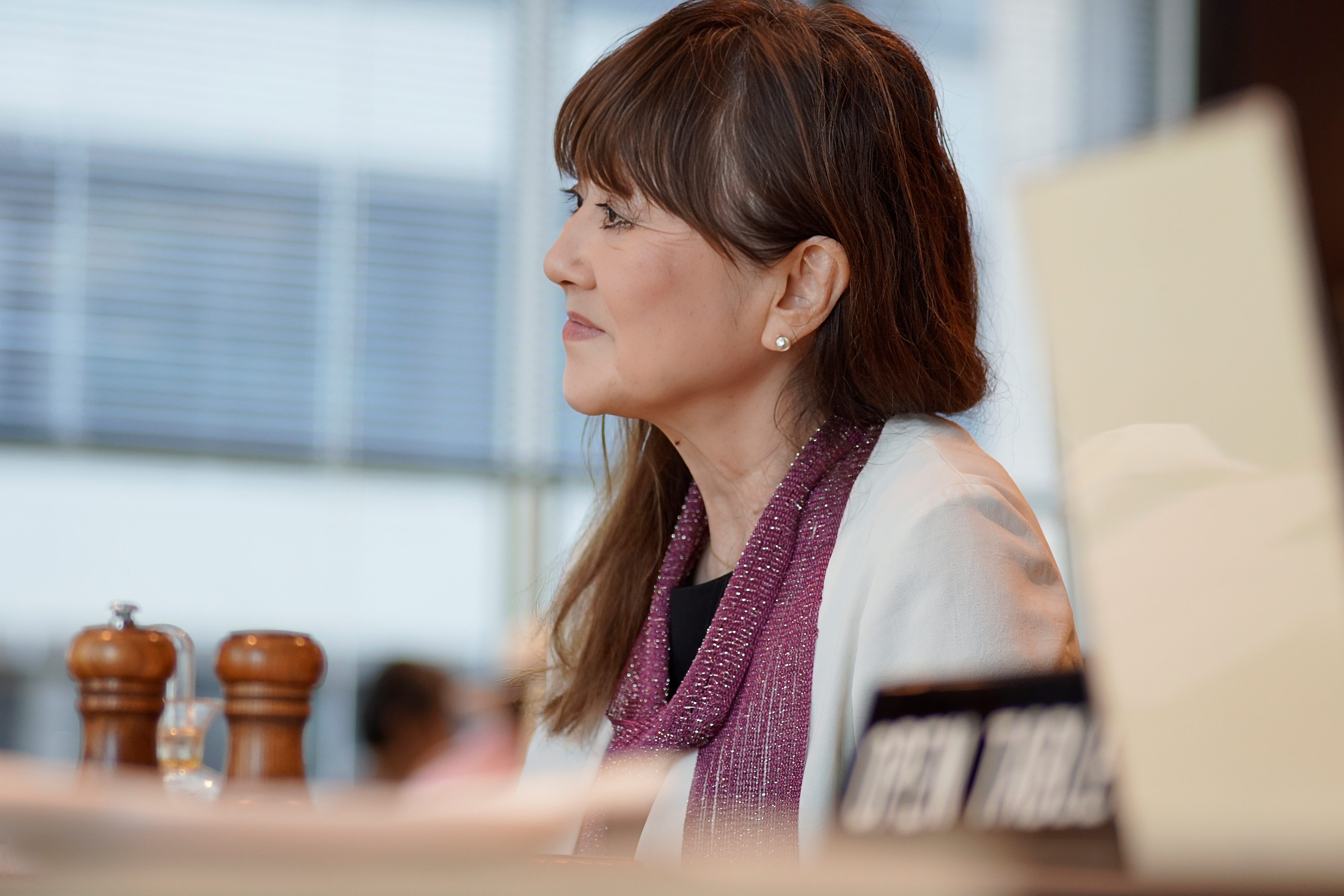
Still, Kaneko outlines an even more crucial lesson for achieving success. She refers to the function of pursuing “the development of our insights.” Put simply, Kaneko means the process of acquiring a personal comprehension of situations to make new initiatives. Nurturing this talent, according to Kaneko, is even more urgent today. Citing the rise in the use of generative artificial intelligence that controls every aspect of our lives, Kaneko stresses the benefits of diverse experiences as valuable learning points. “Expanding exposure creates genuine insights in people. AI is only a tool to support and expand this knowledge,” she said.
Achieving change in Japanese companies can be tricky. Kaneko contends that top Japanese executives and their foreign peers are not that different—they are united in their deep dedication to their companies. “I took the attitude that I needed to learn from my Japanese bosses for they had spent a lot of time building their companies. I was eager to listen and work together to transform the companies,” she said. The wisest advice she learned in Japan was the priority placed on patience. “Patience is the key to changing behavior,” she said.
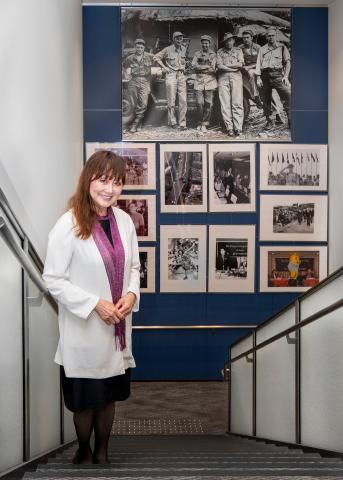
Kaneko is also contributing to Japan`s education sector eager to foster global-minded Japanese youth. As an advisor she is currently helping to change the National Institute of Technology, a government organization with a 60-year-old history educating students out of junior high school in engineering and science. Advocating for solution-based curriculums and away from the traditional exam-oriented study requires long discussions with the school. Kaneko has launched a program engaging professors, staff and students in discussions about transforming their school.
Also, as a board member at Temple University Japan campus, Kaneko is keen to promote collaboration with the FCCJ`s proud journalist history. Temple University is the only global higher education institution that is still operating in Japan. Over the last 45 years it has a name for itself by providing an international education for students from around the world.
“The timing is perfect,” said Kaneko referring to Japan`s growing ambitions to shape geopolitics. A more forward-looking Japan intervening in regional development requires Japanese leaders to participate. Kaneko, who rejoined the Club last year, is keen to bring foreign journalists into this mission.
Suvendrini Kakuchi is Tokyo correspondent for University World News in the U.K.
