


Issue:
March 2026
PM Takaichi pulled off a stunning lower house election victory. But her honeymoon may be short-lived
When the Liberal Democratic Party/Komeito ruling coalition lost its majority in the 2024 lower house elections, it appeared that Japan had entered an era of multiparty politics. Cooperation and compromise with the opposition were no longer options for the LDP, but necessities to get legislation passed.
In a country where the political mantra is “safe, stable, and secure”, however, a multiparty parliament with a minority government was seen as not only unsafe, unstable, and insecure but also a danger - to the stock market, the domestic economy, and Japan’s geopolitical status.
On February 8, a snap election gamble by Prime Minister Sanae Takaichi, who promised a “strong and rich Japan”, paid off big time and abruptly silenced talk of the end of one-party dominance.
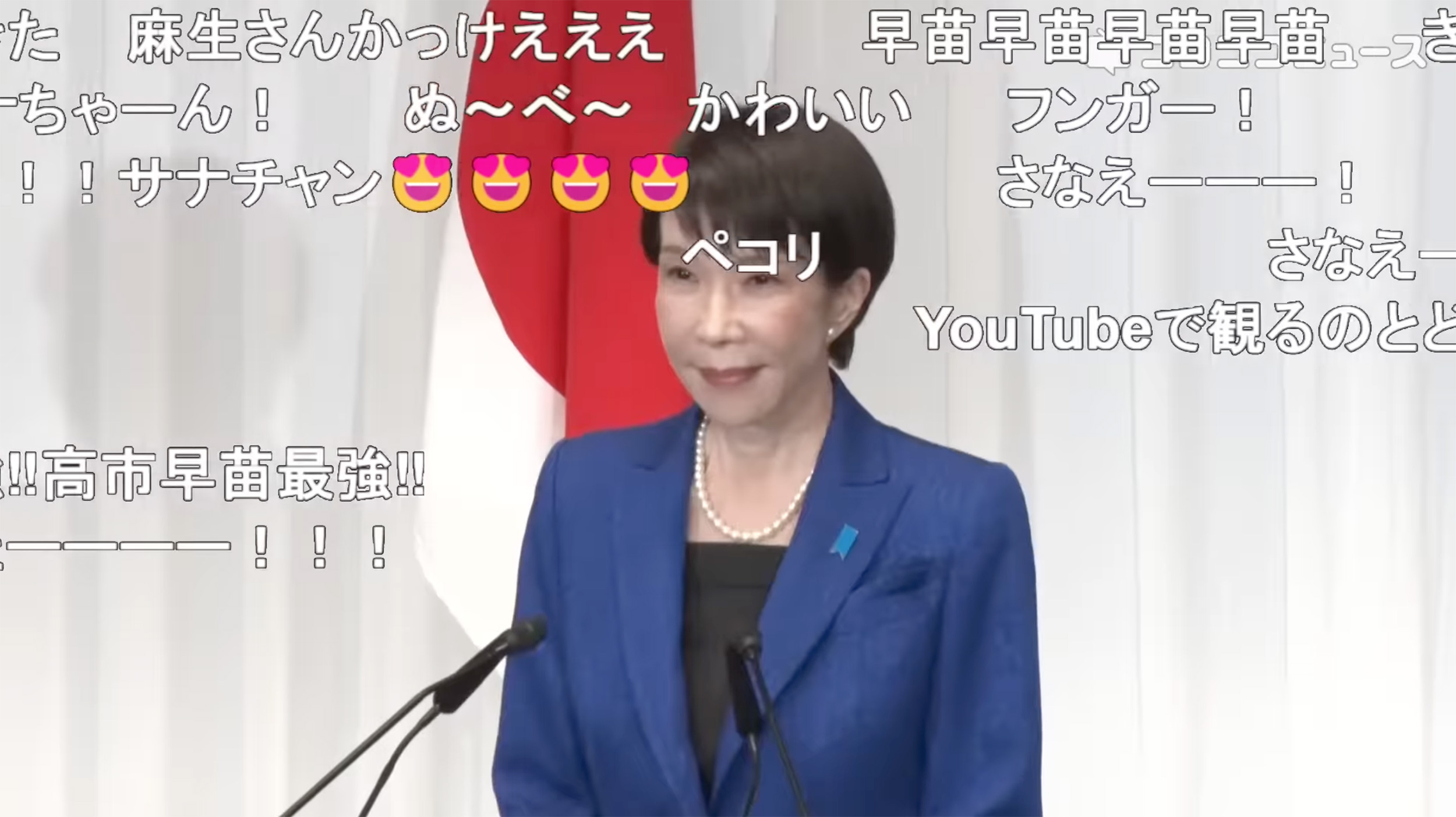
The size of the LDP's victory stunned even experienced commentators. With a two-thirds majority in the lower house, Takaichi has turbocharged what had become a moribund party under her predecessors. In the process, she has built something of a cult-like following among admirers, with an army of younger, social media-savvy defenders and older supporters who read the steady stream of books and magazine articles praising her vision and leadership in almost religious tones. The cover of one publication even suggested that Takaichi was going to take over the world, like an avenging angel.
So the LDP now finds itself very much the party of Takaichi. Among its 316 lower house members, 66 were elected for the first time last month and have inevitably been dubbed “Takaichi’s children”. Her critics in the party are silent and disorganized, while powerful but sometimes difficult allies such as Taro Aso, who backed her bid for the LDP presidency last year, are satisfied and will leave Takaichi alone … for now.
Nor does she have to worry about her coalition partner, the Japan Innovation Party. The LDP’s supermajority means it doesn’t specifically need the parliamentary votes of the Osaka-based party, which, in any case, has always behaved like the western city’s branch of the LDP. With much less leverage over Takaichi, the JIP can do little more than hope she’ll support their pet policies.
The prime minister appears almost invincible. But having talked big and promised much, she must now turn rhetoric into reality. That starts with addressing concerns about how she plans to pay for her economic plans. Rather than being a source of strength that will help Takaichi quickly alleviate these concerns, the size of the LDP's victory might, in fact, turn out to be the party’s achilles heel.
The immediate challenge is passing a ¥122 trillion budget for fiscal 2026 before March 31. Failure to do so would leave provisional budget funding for basic services only from April 1. Promised funding would be delayed until the full budget is passed, possibly denting the prime minister’s popularity among voters and creating restlessness among her numerous, and ambitious, LDP colleagues.
There’s an old joke in Nagatacho: What do you call three parliamentarians huddled in a corner? A faction. Formal factions, except for Aso’s, were dissolved in the wake of the slush fund scandal centered on former Prime Minister Shinzo Abe’s faction. But virtually all of those who were named in the scandal – strong supporters of Takaichi - won seats last month.
As the former Abe and current Aso faction veterans and younger non-faction members loyal to Takaichi jostle for power in a newly enlarged LDP, it appears inevitable that new, informal groupings will emerge. A less popular Takaichi later this spring could accelerate that process.
Outwardly, such groups would be forums for policy discussions by people with similar world views. But, like traditional factions, they would provide support to members seeking appointments to party committees and cabinet posts. Once these groups are established, the unity that Takaichi now enjoys could begin to crack if she is forced to make decisions that members of these “study groups” disagree with.
That could include the proposed two-year suspension of the consumption tax on food and beverages. Doing that would bring down the cost of groceries, but it would also cause a ¥5 trillion annual loss in tax revenue – money that is used to help local governments with social security payments, among other things.
In addition, voters, local LDP leaders, and the party’s finance ministry loyalists and fiscal hawks are worried about how Takaichi plans to suspend the consumption tax on food and also pay for new investments in AI, shipbuilding, defense, cybersecurity, and semiconductors.
The cautious finance ministry “tribe” inside the LDP could end up as one of the prime minister’s toughest political opponents once the 2026 budget is passed and attention turns to the legislative agenda. Takaichi will have to argue persuasively that Japan can afford her economic program. If she doesn’t do that now, hitherto silent critics could find their voice and slow down a prime minister known for doing everything with a sense of urgency.
Whatever speed she moves at, Takaichi doesn’t have to worry about opposition party roadblocks, at least for the foreseeable future, thanks to a major blunder by the opposition forces.
Former Prime Minister Yoshihiko Noda is likely to be remembered by history as the man who led his ruling party to defeat in the 2012 lower house election, ushering in the return to power of the LDP and Shinzo Abe. He will also be remembered for his role, as head of the Constitutional Democratic Party of Japan, in foolishly cobbling together a last-minute deal with Komeito to form the Centrist Reform Alliance ahead of the recent lower house elections.
The result was a crushing defeat for the former CDP members in the new party. More than 100 CRA members in the 465-seat lower house were sent packing. The party doesn’t even have enough members to put forward a no-confidence motion against Takaichi. Noda and his co-leader, Tetsuo Saito, resigned after the election, but newly elected CRA leader Junya Ogawa is no match for Takaichi or the LDP veterans during parliamentary debates.
The Democratic Party for the People, meanwhile, finds itself in political no man’s land. Having rejected multiple offers to join the ruling coalition, the DPP remains in opposition, its popularity stalled and purpose unclear.
Other parties – the far-right populist Sanseito, the more left-wing, anti-globalist Reiwa Shinsen, and Team Mirai – are too small, or too extreme, to pose any near-term threat to the ruling coalition.
For the next few weeks and months, it appears that Takaichi has unprecedented power to shape the direction of Japanese politics and society. Parliamentary opposition to the Takaichi project will likely come from members of her own party who aren’t convinced that her economic policies will succeed – and worry that allying themselves with her could eventually damage their own re-election prospects – rather than from opposition parties that will need time to rebuild.
Eric Johnston is the Senior National Correspondent for the Japan Times. Views expressed within are his own and do not necessarily reflect those of the Japan Times.
