


Issue:
March 2026 | Ripping Yarns
Jonathan Watts recalls how his attempt to engage with ordinary North Koreans may have caused a diplomatic incident
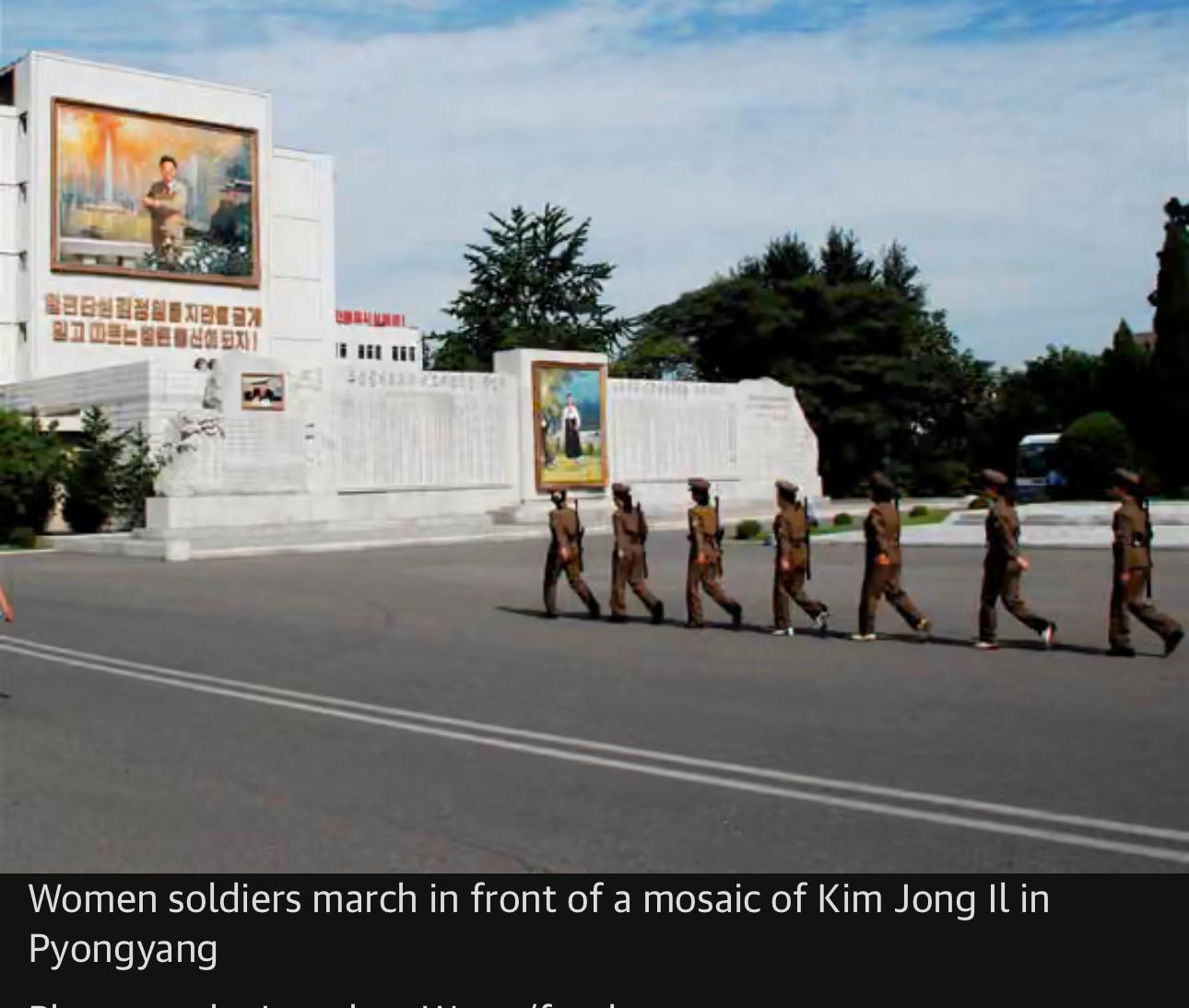
It seemed like a good idea at the time. But even back then, when I was still full of youthful good intentions, I should have realised the best-laid plans turn to dust when you are on a reporting trip in Pyongyang.
The year was 2003. North Korea was in the midst of a nuclear standoff with the United States. George Bush had just labelled it part of the “axis of evil” and positioned the USS Kittyhawk aircraft carrier off the coast. The government in Pyongyang was expecting an attack at any moment and staged nightly air raid drills with sirens blaring across Kim Il Sung Square as locals scurried for shelter.
And there was I to witness it all. As one of only two foreign journalists allowed into the isolated country at the time, this was more responsibility than I had ever had to shoulder before. Few people on the outside believed the local state-run (North) Korean Central News Agency, so my coverage greatly influenced global perceptions of what was happening - and not always in the way I intended. At times, I felt like William Boot, the hapless foreign correspondent in Evelyn Waugh’s satiric novel, Scoop. At other moments, I was simply exasperated by the gap between my fanciful journalistic aspirations and the grim reality of a Stalinist state.
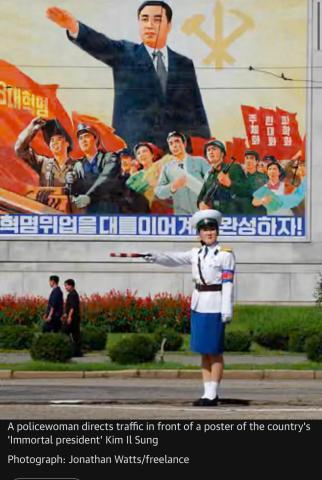
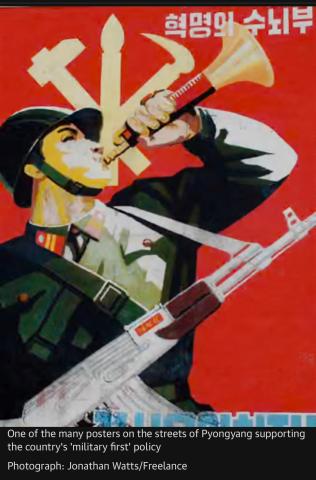
My big idea was to stress-test the “Sunshine Policy” of South Korean President Kim Dae Jung, who - contrary to the tough cop approach of the U.S. - went out of his way to use kindness and gifts to engage with the northern side of the divided peninsula. His attempt to lure the Hermit Kingdom out of its shell involved emotional family reunions, the herding of thousands of cattle across the border to ease the food shortages in the North, and a historic summit with his counterpart, Kim Jong Il. Perhaps, I thought, journalism might also benefit from a similar generosity of spirit, rather than the usual scepticism and suspicion.
I had seen how this might work on my only other trip to Pyongyang the previous year. My proudest new possession then was the Adidas Fevernova football, which had just been released ahead of the 2002 Japan-South Korea World Cup. I took it with me, thinking it might help break the ice and let me inquire how the tournament was being seen in the North. It proved a huge success. Our group and guides had a kick around in the demilitarized zone and our chief minder made it clear that he could arrange some special trips and get Kim lapel badges for everyone in our tour group if his son could have the ball. That seemed a fair trade.
The second time, I aimed wider. So the gift/bribes had to be different. Then living in Chiba, I brought a bottle of Hennessy Cognac, which was famously the favourite tipple of Kim Jong Il, with whom I had ambitiously requested an interview. I raided my bookshelves for works that would help people understand where I was coming from, and I went on a spending spree in the local 100 Yen shop to buy a bag of sweets for children (because I wanted to report on a school), various snacks, and cheap digital watches and radios for adults. They weren’t exactly luxury gifts, but that was as far as my budget would stretch. I was now ready for my private, slightly tongue-in-cheek Sunshine Policy.
Unfortunately, Pyongyang was not ready for me, nor the BBC radio journalist who joined me, nominally to report on the opening of the British embassy. As soon as we landed at Pyongyang Sunan International Airport, our cellphones were confiscated and we were put under the watch of three government minders - let’s call them Mr Chol, Mr Park and Mr Lee. When they explained our schedule, my heart sank. In advance, I had requested a trip to a nuclear plant, an interview with the Dear Leader, and meetings with top officials in the energy, foreign relations, defence and agriculture ministries. Instead, they offered: day one - museum, monument; day two - museum, monument; day three - museum, monument; day four - gallery, library; day five: museum, monument. Now, I am as fascinated as the next reporter by the Juche Tower and statues of Kim Il Sung and Kim Jong Il, but I had already seen those sights on my previous trip. Where was the news?
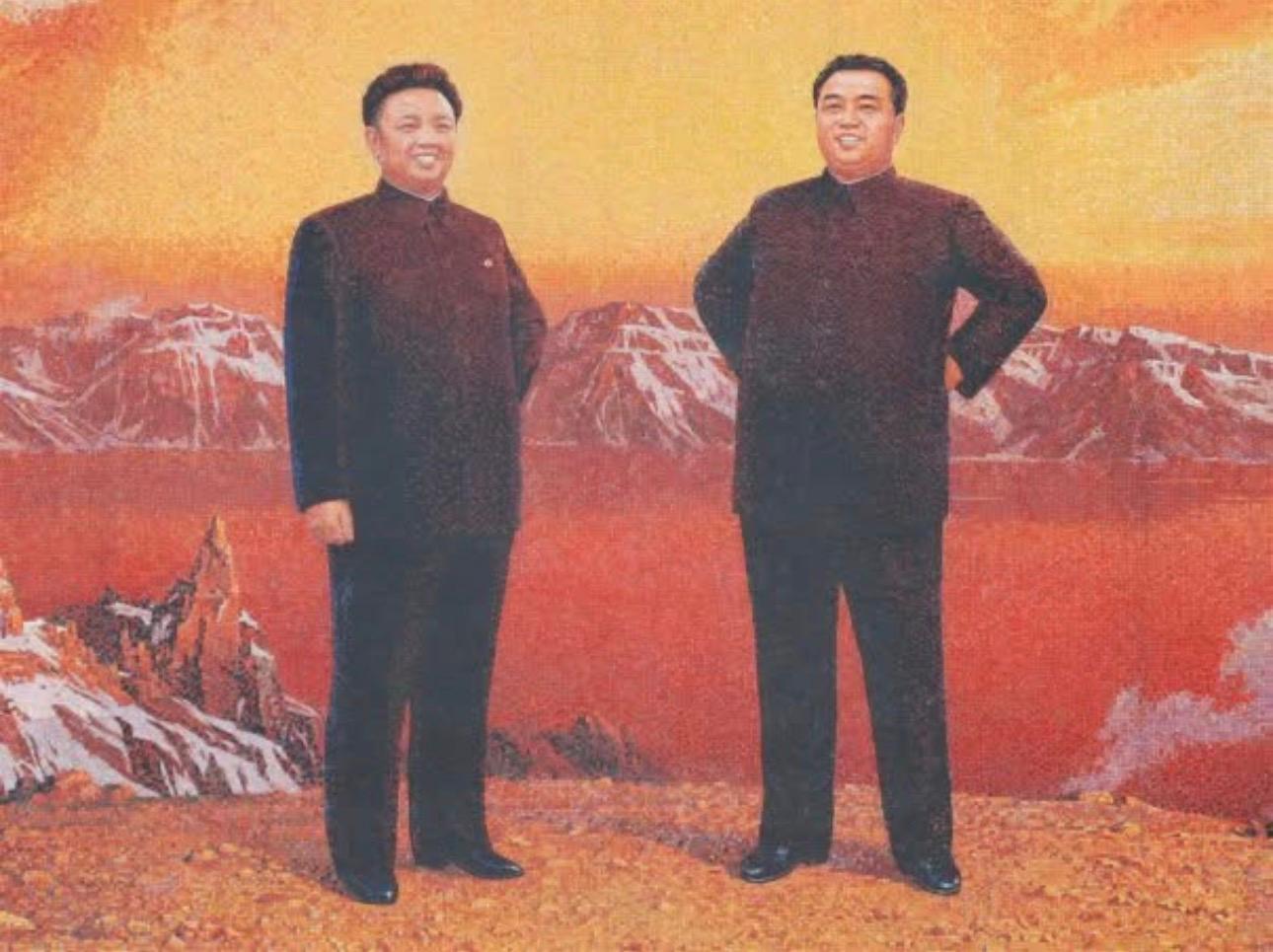
It was time for a little Sunshine Policy, blended with heartfelt indignation and concern. I told the minders that at this critical moment in history, it was important for journalists from the outside world to hear a government voice about the nuclear stand-off and the hunger crisis. They listened, stoney faced, said they were ready for death and voiced their determination to fight. We drank some beer together. I told them the opening of the UK embassy was a sign of engagement, and our presence was an opportunity to reach out directly to British people, which might stir humanitarian aid. Could I, perhaps, talk to random passers-by on the streets and conduct vox pops as journalists do in other countries? Could I visit a rural village affected by food shortages, or a hospital dealing with malnutrition. They listened, still with scepticism. “Our people have come through the arduous march,” they said, using the military-like term for the worst starvation years. We drank more beer. I told them I wanted to visit a North Korean school because my mother worked in one in the UK and perhaps they could arrange pen pals between the students. More listening, more beer, a few signs of interest. Then I realised it was time to abandon any faint hope of meeting the country’s leader and to offer the Hennessy to the guides as a goodwill gesture. One more beer, and then the boss of the three minders, Mr Chol, promised to see what he could do.
That night, I went to bed a little drunk, a little worried the trip would be a waste of time, and a little paranoid. Staring at the wall-sized mirror in my room in the Yanggakdo hotel, I remembered James Bond film scenes of surveillance equipment on the other side of similar mirrors. I imagined my hotel room phone being monitoring and the lampshade being bugged. “Good night whoever is listening,” I said after turning out the lights. “I guess you are suspicious of me, but I really am here to observe, to try to understand and to build bridges. Hope you get some sleep.”
By breakfast the following day, Mr Chol had evidently been hard at work. The schedule now included meetings with officials in the foreign and agriculture ministries, and a trip to a school, a hospital and a village a couple of hours outside the capital. No nuclear plant. No Kim Jong Il interview, but this was real progress. I counted that as one goal to the Sunshine Policy. Then, things started to go a little crazy.
The first full day was crammed. When I got back to my hotel room that night, I was exhausted. I called the Guardian foreign desk to check in and half-heartedly offered a short story based on the comments of the number three in the foreign minister who had talked to me that afternoon. “He’s a fairly minor official”, I told my colleague back in London, “but the comments were quite strong. Not a big deal. Maybe I could dash off a short piece just to get the Pyongyang dateline.”
That little article, “North Korea threatens US with first strike,” became top news across the world. The next morning, when I interviewed a young teacher of English, she said her mum had called her after reading my story. “Is war about to start?” the young British woman asked me anxiously. I was aghast. Not for the first time in my career, I felt the headline had gone further than the story. I had deliberately avoided using the word “threat”. What the deputy director Ri Pyong Gap had said - and I had reported - was more veiled: “We have our own countermeasures. Pre-emptive attacks are not the exclusive right of the U.S." But now it looked like an escalation. Ah! Instead of easing tensions, I had added to them. With nobody else reporting live on the ground (the BBC radio reporter was working on a longer-term package), there was no other version of reality reaching the English speaking world. What if I provoked a war like William Boot? Could I? Surely not. But it all felt far too Scoop-like. Sunshine Policy 1-1 Brutal Reality.
I refused to give up. My next point of outreach was the Grand People's Study House, which is the national library of North Korea. Prominently displayed are the 150 books that Kim Jong Il is supposed to have authored during his university days. When I asked the librarian how anyone could write a book every five days, she looked at me incredulously, as though I had asked the most idiotic question possible. “He is the most outstanding theoretician. No one can match his creativity and enthusiasm.” In the Sunshine Policy spirit of cultural exchange, I donated three items to the library from my own collection: An anthology of George Orwell’s essays, a VHS of Monty Python and the Holy Grail, and the 2002-03 Tottenham Hotspur yearbook. I later added a year’s subscription to the Guardian weekly, though when I returned to Pyongyang in 2004, none of the editions had been made available for public loan. I hoped the official who intercepted them had gained some benefit instead. Let’s call this a goal apiece. Sunshine Policy 2-2 Brutal Reality/State Censors.
As the week wore on, I grew more tired and frustrated. The gulf between the job I had to do and the job the minders had to do was just too wide. The rural community they showed me turned out to be a model village, where the head told me everyone in the country had more than enough thanks to the leadership of Kim Jong Il, which was hard to reconcile with the testimonies of starvation in the northeast related to me by the Pyongyang-based foreign aid community. The medical facility I visited turned out to be a showcase institution for Koryo traditional healing, which didn’t deal with cases of malnutrition. The school, meanwhile, was for the Pyongyang elite and I was not permitted to interact with the students, apart from listening to them sing the classroom theme song, “Little Tank Rushes Forward.”
Meanwhile my frequent requests to talk spontaneously to a man-or-woman-on-the-street were turned down until the final day, when we came out of an exhibition at the Victorious Fatherland Liberation War Museum to find a rather sheepish-looking man loitering uneasily in an otherwise completely deserted corridor. My minder, Mr Lee, told me this was my moment to talk to a “random person”. Even if it was not scripted, it felt like it was. My minders had done their best to fulfil my wishes and for that I was both grateful and exasperated. I had not really had a chance to engage with anyone outside the closely proscribed circle they guarded. I remember flying back to Japan, through Beijing and marvelling at the irony that even China felt like a land of freedom by comparison. Sunshine Policy 2-3 Brutal Reality.
There was a postscript that potentially changes the result. On my final day in Pyongyang, I still had a big bag of gifts from the 100 Yen store because I had not had the chance to give away the trinkets – snacks, children’s sweets, plastic watches and cheap radios. How would I get them to people who might enjoy them? Late that night, I snuck out of the hotel before the minders could follow, and walked rapidly across the bridge over the frozen Taedong River, and then dropped down to a sloping grass bank, where I had seen locals foraging for herbs or mushrooms earlier on the trip. There I left the bag of goodies in the hope that they would get into the hands of those who might need them. Then I headed back to the hotel, where I guiltily realised my minders had been shaken out of their beds to go and look for me. I felt sorry for them, but also glad that I had, at least briefly, managed to step outside their constraints. Sunshine Policy 3-3 Grim Reality. Maybe.
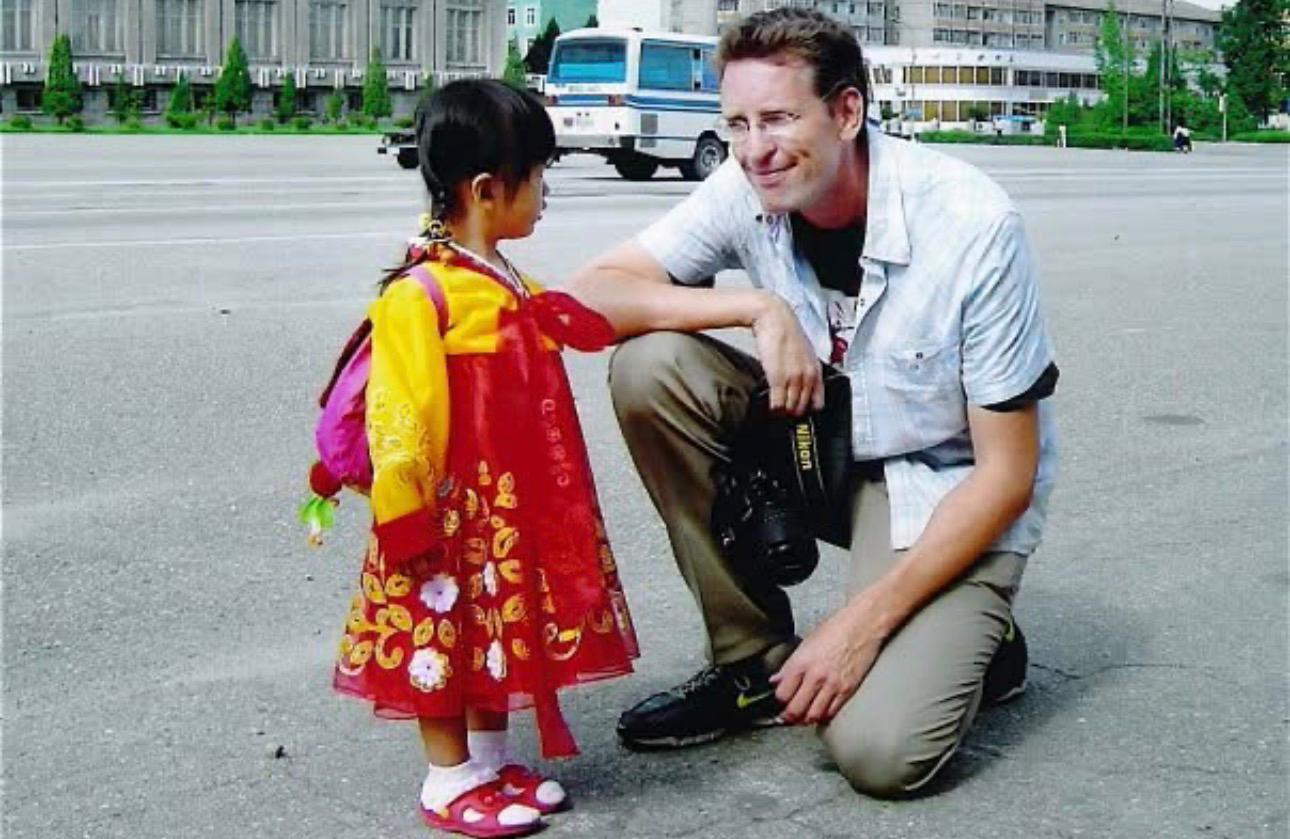
In retrospect, that was reckless of me. For there was still extra time to play. Five days later, when I was back in my apartment in Chiba, I read a breaking KCNA news bulletin that almost made my eyes pop out of my skull. The headline read: “The Democratic People’s Republic of Korea condemns CIA attempt to smuggle contraband radios across the border.” The story then outlined how security services had foiled a dastardly foreign plot to send the devices – which were then banned as part of the propaganda war – into the country. The article did not detail the type of radios, or how many, or where they were found, but my mind immediately turned to that plastic bag I had left on the Taedong River bank. It couldn’t be that the stuff from the 100 Yen store, could it? Did I just score a spectacular own goal?
Sunshine Policy 3-4 Absurd Reality.
Jonathan Watts is the Guardian’s global environment writer.
