


Issue:
January 2026
Akita governor tells FCCJ economic damage and public anxiety prompted his crackdown on ursine terror
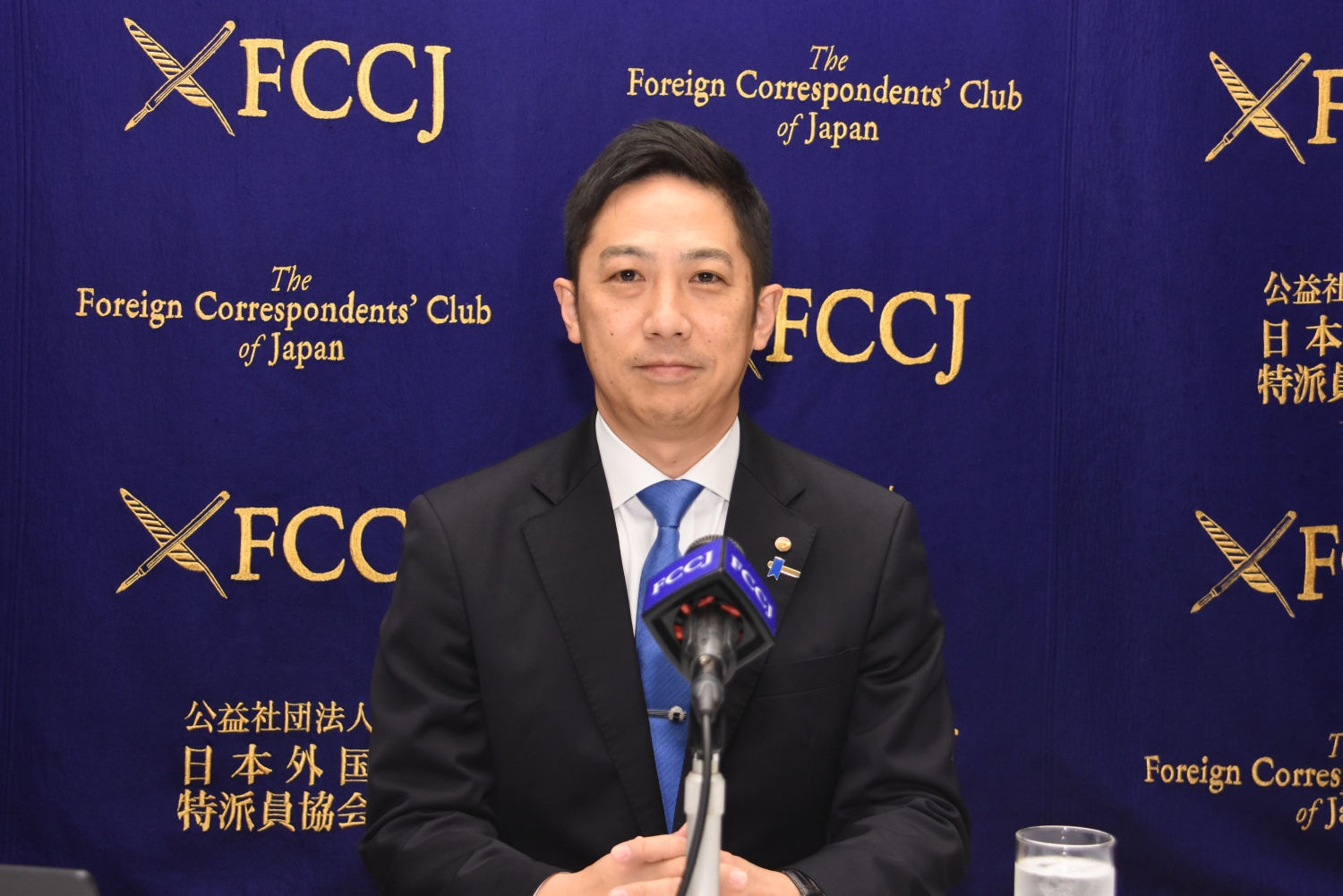
The kanji for bear was selected as Japan’s character of the year, but for Akita Governor Kenta Suzuki, whose prefecture has faced the worst bear attacks in the country, 2025 was a year to forget.
Suzuki, who spoke at the FCCJ in December, said he was focused during the months in which bears go into hibernation on keeping his prefecture safe in 2026, and on preventing a repeat of the damage to tourism and the local economy seen last year.
“Our prefecture is internationally known for dogs, but unfortunately we are receiving attention for the bear issue,” Suzuki said. “We had 66 bear attacks in Akita (this year), and four people lost their lives.
“During the winter period this will not be such a concern, but the measures we put in place from spring will be key.”
The governor, a former member of the Self-Defense Forces [SDF], brought Akita’s desperate situation to national attention when he asked the SDF to help with its bear crisis in late October. Akita took emergency measures, including securing additional live traps and distributing bear repellent spray along school routes, while urging residents to carry noise-making items, keep storage doors closed, and share all bear sightings, which reached over 13,000 in 2025.
“The overall number of casualties from bears is lower than prefectural traffic accidents, but the fact that this is happening right where people live is leading to high levels of fear, which has an economic impact,” Suzuki said.
After the governor’s request, more than 900 SDF troops were deployed in Akita to set box-traps, transport local hunters, and help dispose of dead animals. The SDF did not use firearms to cull bears – that task was left to licensed hunters, with over 2,000 bears killed in Akita Prefecture alone in 2025.
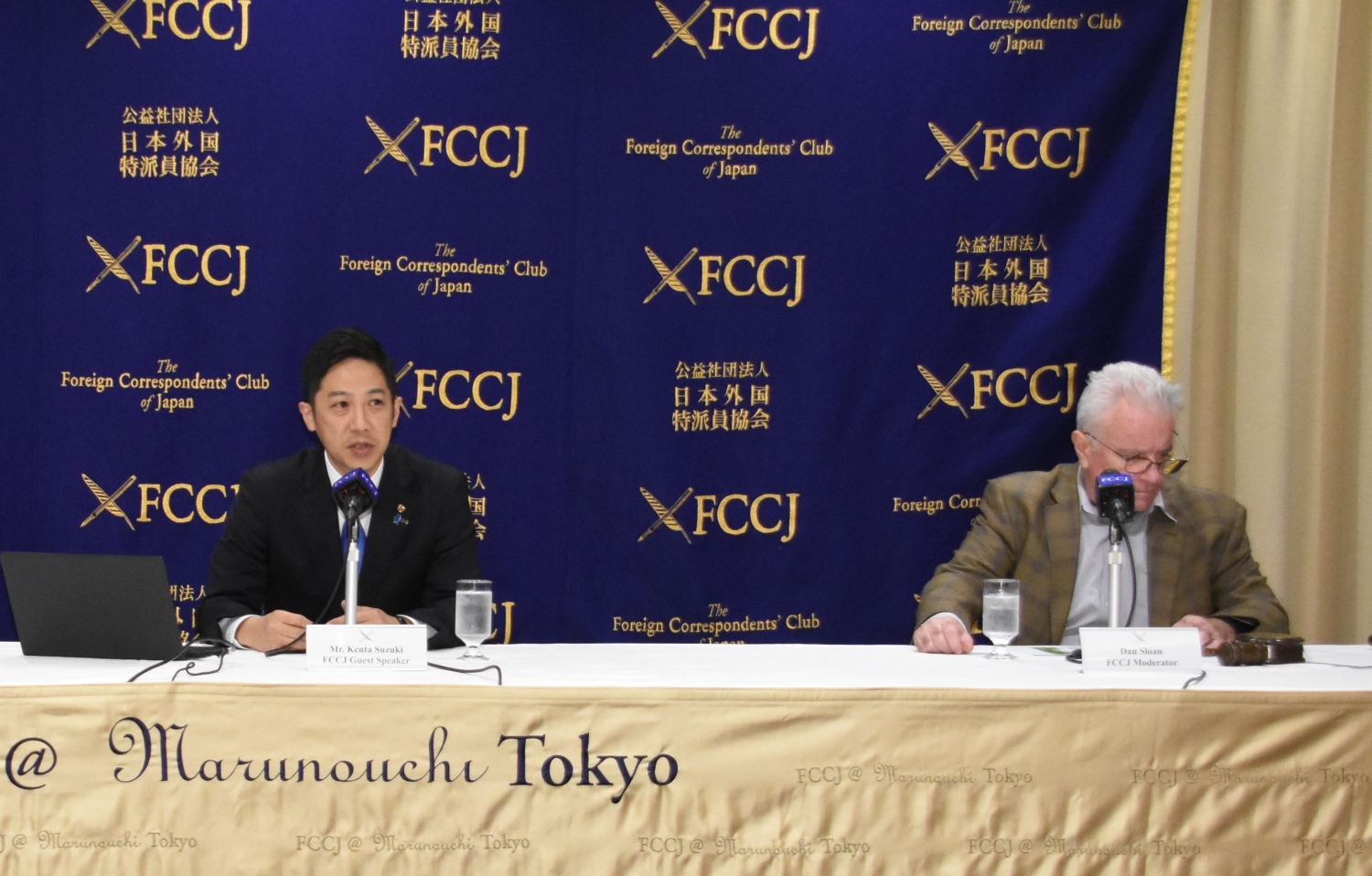
Across Japan, the number of bears captured or culled had reached a record 9,867 by November.
“We are not doing this because we want to, but it’s something we had to do because of damage in populated and urban areas,” Suzuki said.
Even so, the Yomiuri Shimbun reported that the crisis had impacted restaurants and bars in the Tohoku region, as people cancelled reservations ahead of the year-end party season. Akita’s usually packed streets were also quiet, as alcohol and entertainment sales dropped and residents stayed at home.
Suzuki said even before the bear attacks had gained notoriety, Akita was facing the highest rate of population decline among Japan’s 47 prefectures, along with the highest percentage of over-65s and the lowest under 15. Estimates say Akita’s population will plummet by 40% by 2045.
Bears notwithstanding, its location on the Sea of Japan makes it among the least visited tourist sites in the country, according to the Japan National Tourism Organization.
Japan’s aging and declining population is contributing to the rise in bear encounters, with some experts citing global warming and urbanization as factors behind changes in the animals’ environment that force them to go farther afield in their search for food. That, in turn, is weakening their natural instinct to avoid people.
“We are seeing a new generation of bears that do not fear humans and do not keep their distance,” Suzuki said. “One reason for the many incidents this year was the hunt for beechnuts that bears seek for food.”
NHK reported that a shorter cycle of strong beechnut yields due to warmer summers may be contributing to the growing bear population, while a strong beechnut output is expected in Akita in 2026.
“We do not expect next year to see a similar outcome … what will be key is whether bears are learning that urban areas are not to be feared,” Suzuki said. “That is yet uncertain.”
The environment ministry plans to launch a nationwide survey next year to determine the nationwide bear population using a standardized methodology rather than relying on each prefecture to report numbers.
Suzuki, who said he hoped Akita would not have to invite the SDF back to help with the problem, said the prefecture was due to issue its own report on the bear crisis, while he acknowledged the need for a single national policy.
“It is because local resources were insufficient that we had to make the SDF request,” he said. “The situation differs according to each region and season, and each year has different circumstances, but it would be ideal to have a fundamental bear policy.”
Dan Sloan is president of the FCCJ.
