


Issue:
January 2025
Eating an oyster in Japan is as much a cultural as a culinary experience

Oysters seem to have been a constant ingredient in my interminable expatriate life. Firstly, in the tiled fish restaurants of Alexandria, then Barcelona, where I would repair with friends to the champagne bars of the Gothic Barrio to drink cheap cava, the Catalan version of bubbly, and slurp raw oysters. In Le Charente, a department in France’s Nouvelle-Aquitaine region celebrated for its generous oyster catches, we devoured them with lemon, rustic country bread, and cold white wine.
These days, my oyster associations include the delta city of Hiroshima, with its riverside seafood cafes, the well-patronized restaurants of Sendai, and Kyushu’s Itoshima peninsula, where the smell from the grills of rows of cantina-like eateries draw in hungry customers during the winter months.

Sizzling, charcoal grilled oysters. 
Grilling fresh oysters at an ama-goya eatery.
Whenever I smell the singed, charred shells of winter oysters, laid out on grills or along barbecue pits, I think of a small, wattle hut in the fishing village of Osatsu, on the Ise Peninsula. Known as amagoya, these sheds - in actuality, fairly spacious wooden cabins - are never far from the sea, often only separated from the water by a narrow service strip. Here, I have watched ama-san, women divers, as they turn oysters over hot red coals.
Firstly, though, they must scrape off exogenous matter from the shells, a procedure similar to caulking the underside of a fishing vessel. Care is needed in grilling the sharp shells. Ama wear white gloves, arming themselves with tongs and oyster shuckers. While heating up, the oysters may burst open, spitting boiling, briny water. It’s a delicate business, involving good timing, as oysters can easily burn if the seawater within the shell evaporates too quickly.
The lunch we are served consists of scallops, sazai (turban shell), oysters, spiny lobster and char-grilled sea bream. A sharp tsudachi lime juice is squeezed over the smorgasbord of sea offerings. This is accompanied by organic rice and an agar seaweed soup. Each item is highlighted and commented on by the ama, now playing the role of servers, the gourmet content complimented with stories of their life and work, the pleasures and ordeals of diving, fishing techniques, and the region’s superstitions and beliefs. We also learn that oysters were once, and perhaps still are in some quarters, regarded as powerful aphrodisiacs. And that these bivalve mollusks have eyes, a fact I would be happy to unlearn. On an even more troubling note, we hear their thoughts on the embattled state of marine biology in these waters, which, because of climate change, are warming up, an effect severely reducing the annual oyster catch.
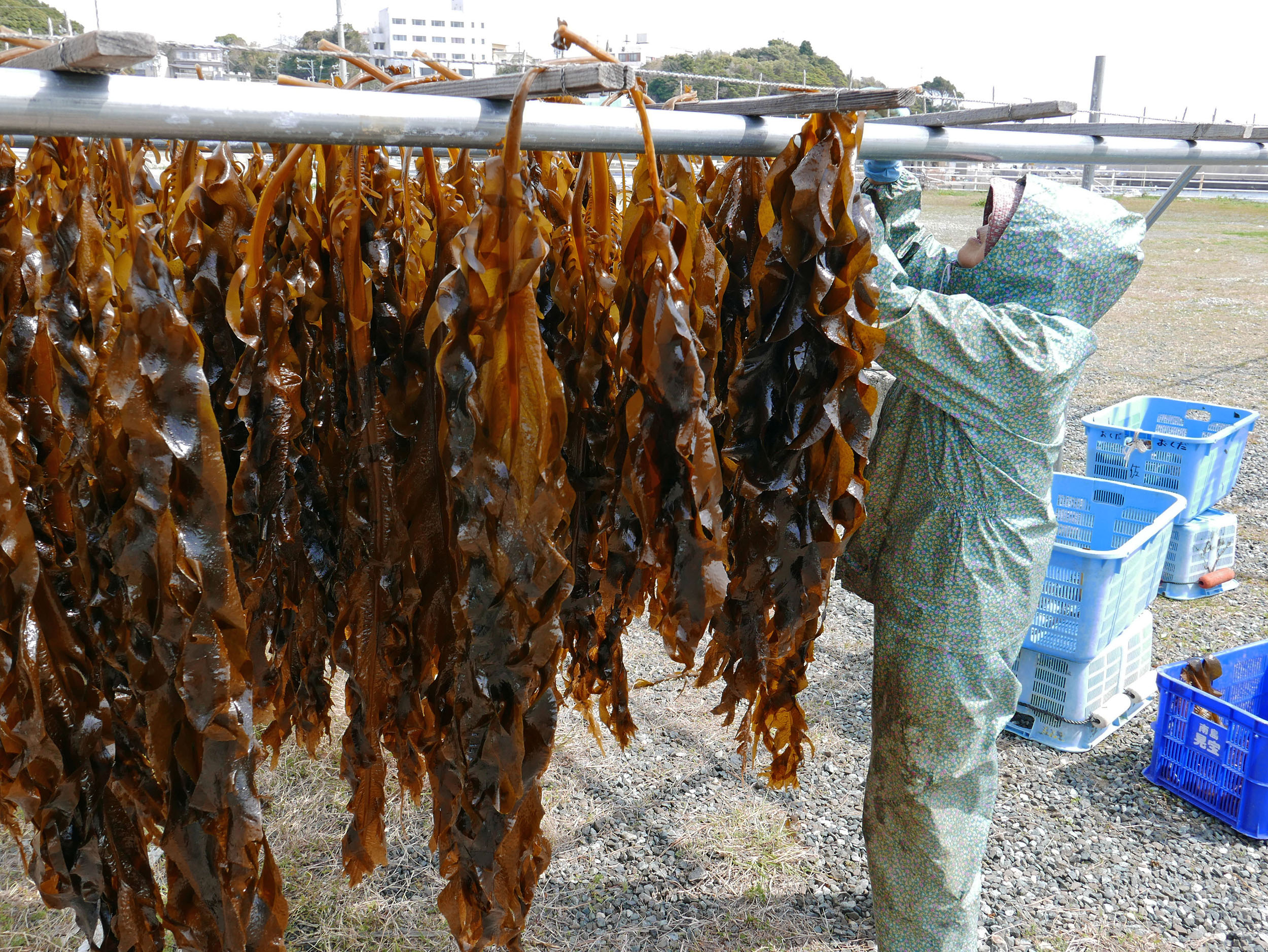
The meal is one of those culinary experiences that is as much about culture as it is food, in this instance marine culture. While men go out into the open seas to cast their nets in deep water, women take primary charge of the shallow waters, bays and inlets of the peninsula, an arrangement corroborated by the sight of them sorting, cutting, and hanging great hanks of kelp. Female divers plunge to astonishing depths in search of abalone, and elderly women can be seen carrying bundles of arame (a local seaweed) along woodland tracks to fishing ports, after removing the plants from rocks.
The carefully maintained ecology of these indigo-blue waters continue to be the responsibility of the ama divers and the women living in the region’s congested fishing villages. It may be that nature is better off in the custody of such women. In his 2014 book Deep, James Nestor wrote: “When a man comes to the ocean he exploits it and strips it. When a woman puts her hand in the ocean that balance is restored.”
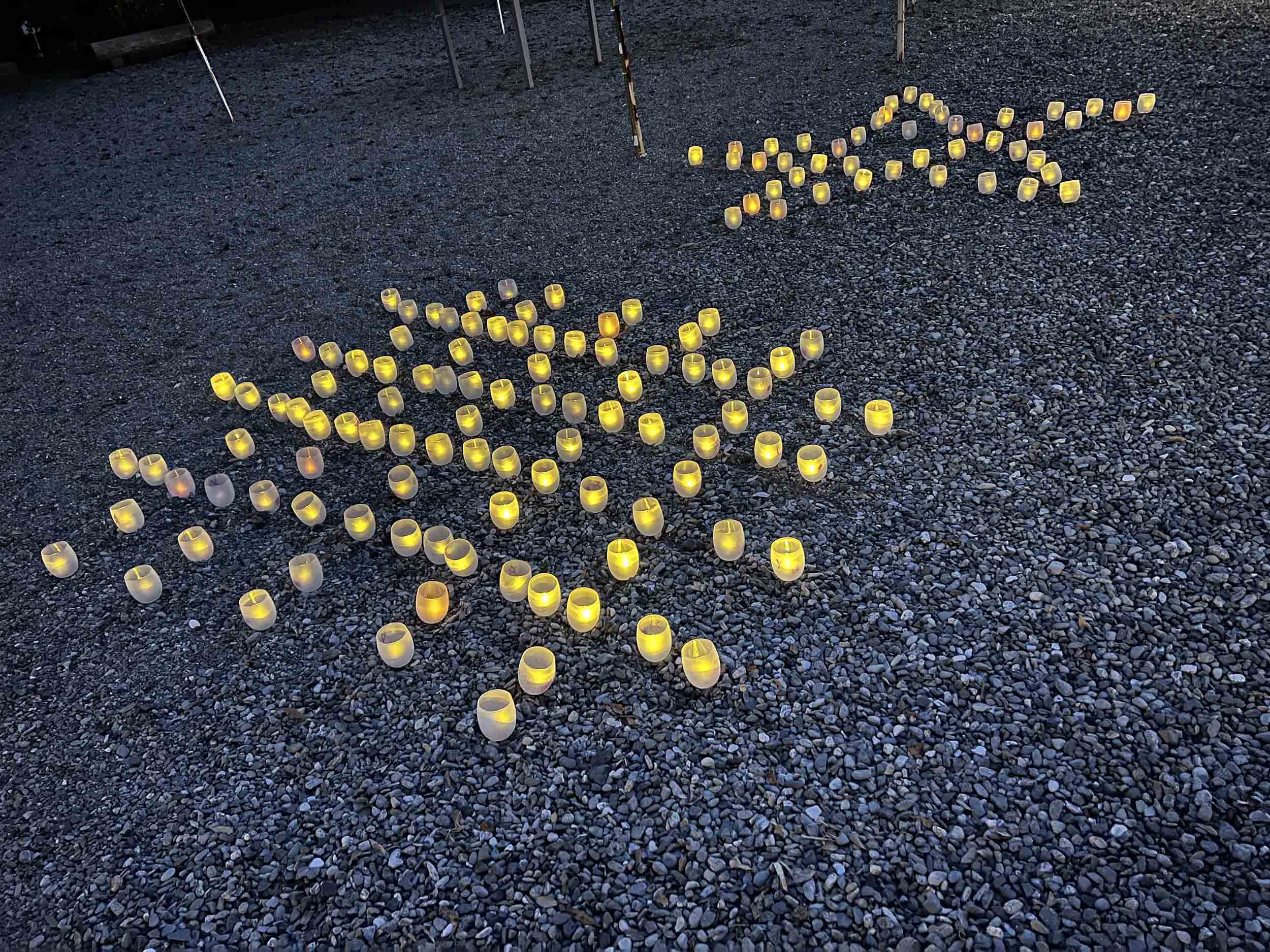
Endorsing the notion of a marine culture firmly in the custody of women, is an event every spring, in which Osatsu’s ama divers pay a visit to nearby Ishigami-san Shrine to venerate the sea gods and appeal to them for bountiful catches and protection from the perils of the sea. The risks are real. The stars depicted on the white bonnets of the ama symbolize the idea of completion, a return to the surface of the sea. The lines of the star mark are drawn in a single stroke. Similarly, the net shape of the douman, a nine-line symbol, a barrier image, represents a defense against the small sharks that occasionally enter their work sphere.
Superstition and folklore compliment the sacred in the region’s fondness for oysters and abalone, one that almost amounts to a food cult. At the Ise Grand Shrine, the supreme site of worship for devotees of Shinto, Japan’s indigenous faith, and one profoundly connected to Japan’s imperial family, it is no coincidence that its Outer Shrine, Geku, is dedicated to Toyouke O-kami, the Divinity of Abundant Food. Oyster shells can often be seen surrounding sacred rocks in the precincts of local shrines.
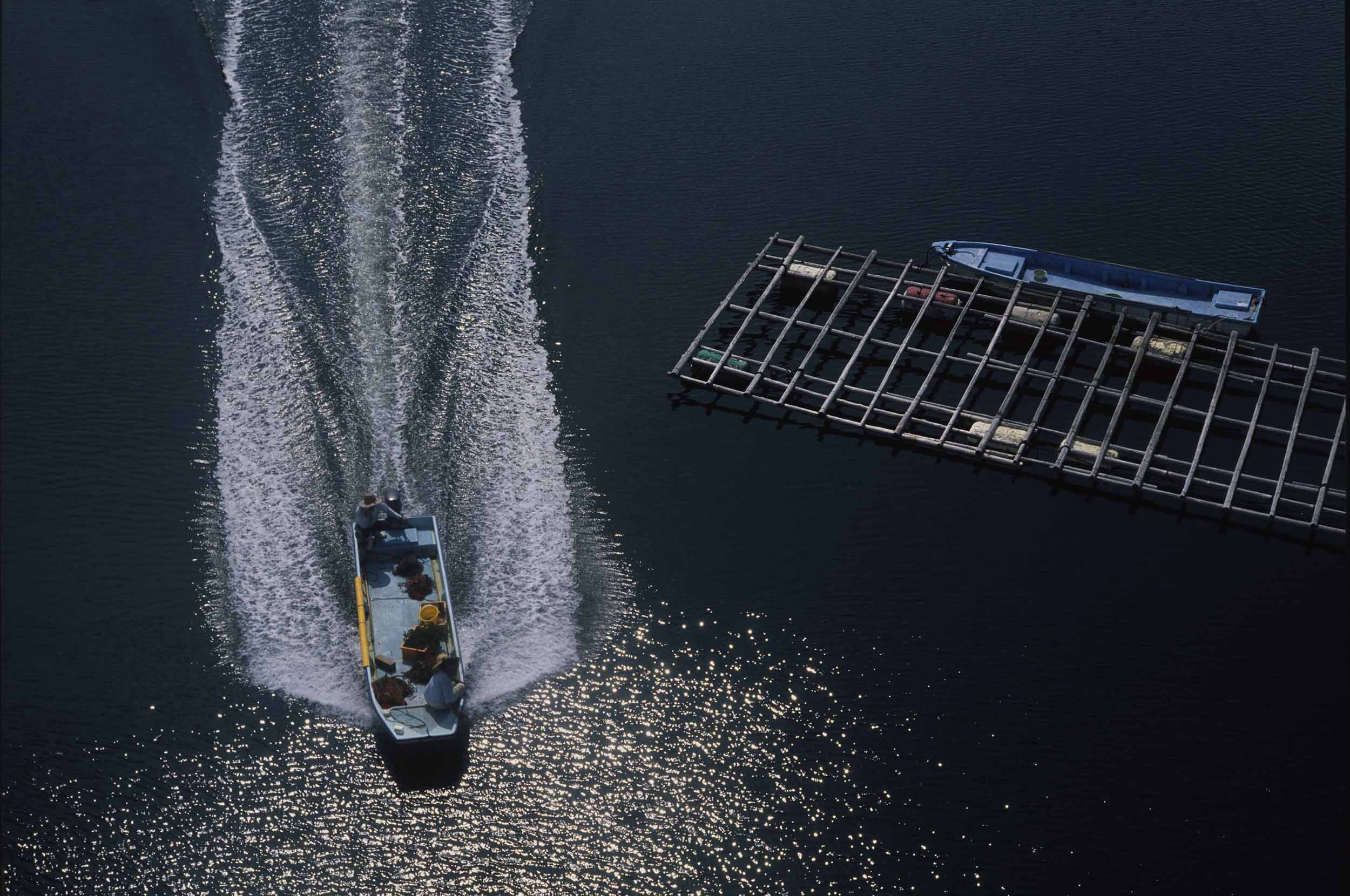
Visitors to the peninsula interested in making sense of its marine culture, the intersection of fishing, cuisine, folk and religious beliefs, can do no better than repair to the Toba Sea Folk Museum, an ocean-facing complex off the region’s stunning Pearl Road. Designed by Hiroshi Naito, the main buildings were modelled on fish drying sheds, but look modern and very cool. With a collection of almost 60,000 marine related items, original documents and artifacts, its commentary runs from shell dyeing techniques and sea magnets to displays addressing concerns about water pollution. Arguably, the most impressive building in the complex is the Repository of Wooden Boats, which contains around 80 original vessels from Japan and other Asian countries.
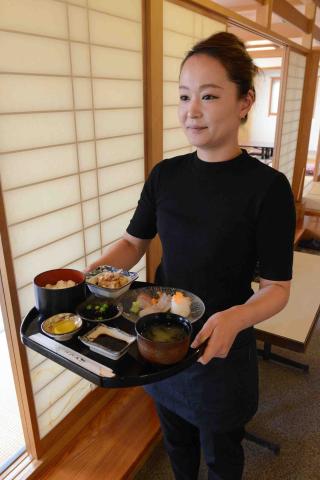
Like restaurant window food samples, the museum’s uncannily realistic fish models succeed in whetting the appetite. The twisting, rising and dropping Pearl Road, with its glimpses of small bays and timeless fishing villages, is a good place to explore the peninsula’s culinary options. During the winter season, signboards direct you to “all you can eat” oyster operations set up along the roadside or close to the water lines. Look out for shell piles along restaurant peripheries or beside their car parks.
We’ve tried a fair share of eateries in the area, but invariably return to the tiny port of Kashikojima, home to a family minshuku named Hanaya, and its incomparable fish restaurant Ajisai. Here, the menu changes every day, depending on the local catch, supply and demand. Avoiding all the middle players in the food chain, the delays that diminish freshness, its offerings taste as if they have just been lifted from the sea, its slices of raw fish tingling with brine.
Stephen Mansfield is a Japan-based writer and photographer whose work has appeared in more than 60 magazines, newspapers and journals worldwide. He is the author of 20 books.
