


Issue:
February 2026
Mitsubishi Ichigokan Museum marks 15 years since it reopened in all its former Meiji glory
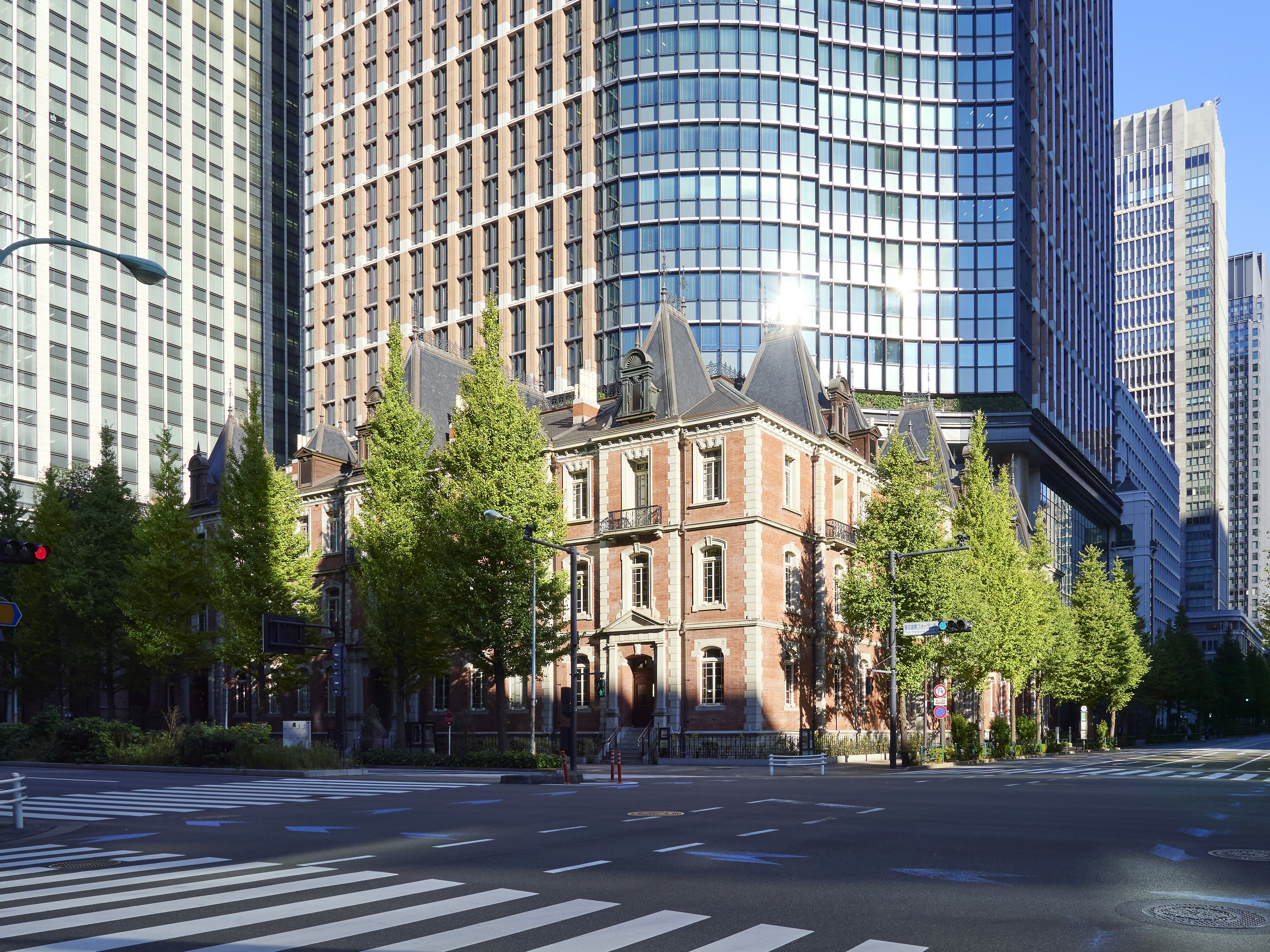
Steps away from the FCCJ is the reconstructed Mitsubishi Ichigokan, the Marunouchi district’s iconic red brick structure tinspired by British Victorian architecture. A walk through the building, which is celebrating 15 years since its transformation, is areminder of the importance of preserving a past - a message emphasized by its owners during a recent press tour.
The elegant structure dates back to 1894, when it became Marunouchi`s first office building. The contemporary version houses a beautiful rose garden at its entrance – an oasis for office workers seeking relief from the gleaming skyscrapers that have come to symbolize a neighbourhood once known for its understated bank buildings.
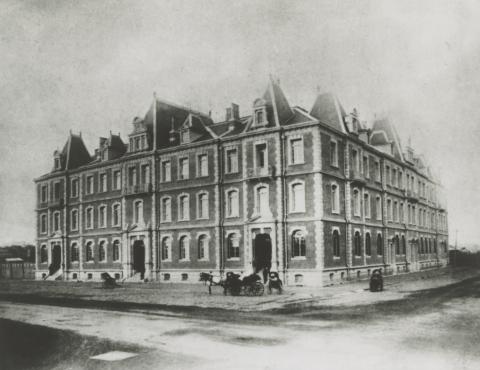
The Ichigokan – now the Mitsubishi Ichigokan Museum – appeared at a time when Japan was embracing Western-style engineering, technology and aesthetics, as the country’s leaders, with one eye on colonization in Asia, made it their mission to emulate Western industrialization.
A key figure in this effort was Yatarō Iwasaki, who used his extensive knowledge of Western commerce to establish a shipping enterprise in 1870 that would lay the foundations of the Mitsubishi commercial empire. Supported by the Meiji government, the company expanded into a major maritime shipping operation.
The construction of the Ichigokan represented Mitsubishi’s emergence as a modern enterprise and cemented its pivotal role in the development of the Marunouchi area.
Built in 1894 by British architect Josiah Conder – often referred to as the father of Japanese modern architecture – the Ichigokan was the first Western-style office building in the Marunouchi district.
The redbrick building was built facing the Imperial Palace with three floors and one below ground, and featured fireplaces and high ceilings. Other red brick structures appeared along Babasaki-dori, earning the area the nickname “Iccho London” or the London Block.
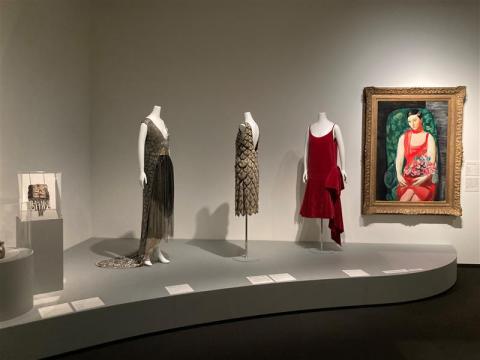
The reformed museum holds three exhibitions a year. From October to January it showcased a French Art Deco fashion from the 1920s, bringing to mind an era in Japan when young Japanese women traded in their kimono for modern linear designs.
The Ichigokan survived the U.S. bombing of Tokyo during World War II, but was demolished, along with other structures, in the 1960s as aging buildings became the victims of the country’s rapid economic growth. Standardized office buildings became the norm, and Marunouchi became both a key business district and a gateway to the bars and restaurants of the nearby Ginza district.
The building’s resurrection began in 2002, when Mitsubishi Estate launched its huge Marunouchi renovation. Five years later, work began to faithfully recreate the original structure. The project, which took two years to complete, was a collaborative effort involving multiple companies, including researchers and architects, based on archived Meiji-era blueprints and survey maps.
Builders were commissioned in China, where two factories were assigned to produce handmade bricks, following a process used during the Meiji era that, sadly, was no longer available in Japan.
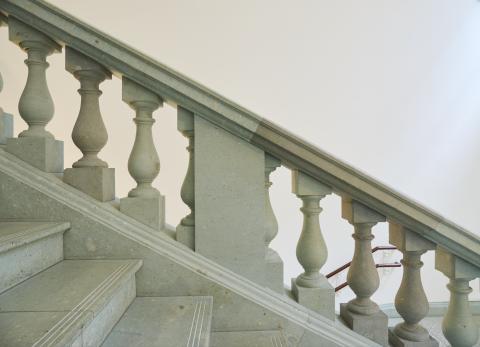
The few remaining original features include stone handrails lining an old staircase and wooden beams in the Ichigokan café, where customers can sit among wooden teller spaces and makeshift fire mantels that bring a little bit of Victorian Britain to central Tokyo.
Hiroyuki Kobayashi, the manager of Mitsubishi Ichigokan Museum, says the building is part of a wider urban space taking shape in Tokyo’s financial district. “The area is now a space that combines business and art,” he said.
Bronze busts and statues line the cobble-stoned Marunouchi Naka-dori, which is regularly closed to traffic, along with luxury fashion brands and stylish restaurants. For Kobayashi, the atmosphere and layout reflects a shift away from the rigid corporate culture that demanded long hours and absolute loyalty, to one that recognises that work must be balanced with leisure.
Women and younger people are as much a part of the neighborhood’s fabric today as besuited make bankers were a century ago. Now, Kobayashi says, the emphasis is on taking long lunches and chatting with friends and colleagues. “And afterwork hours are no longer just about business deals,” he said.
Suvendrini Kakuchi is Tokyo correspondent for University World News in the UK.
