


Issue:
February 2026
The northeast Chinese city has figured prominently in the country’s history, and is well worth a visit
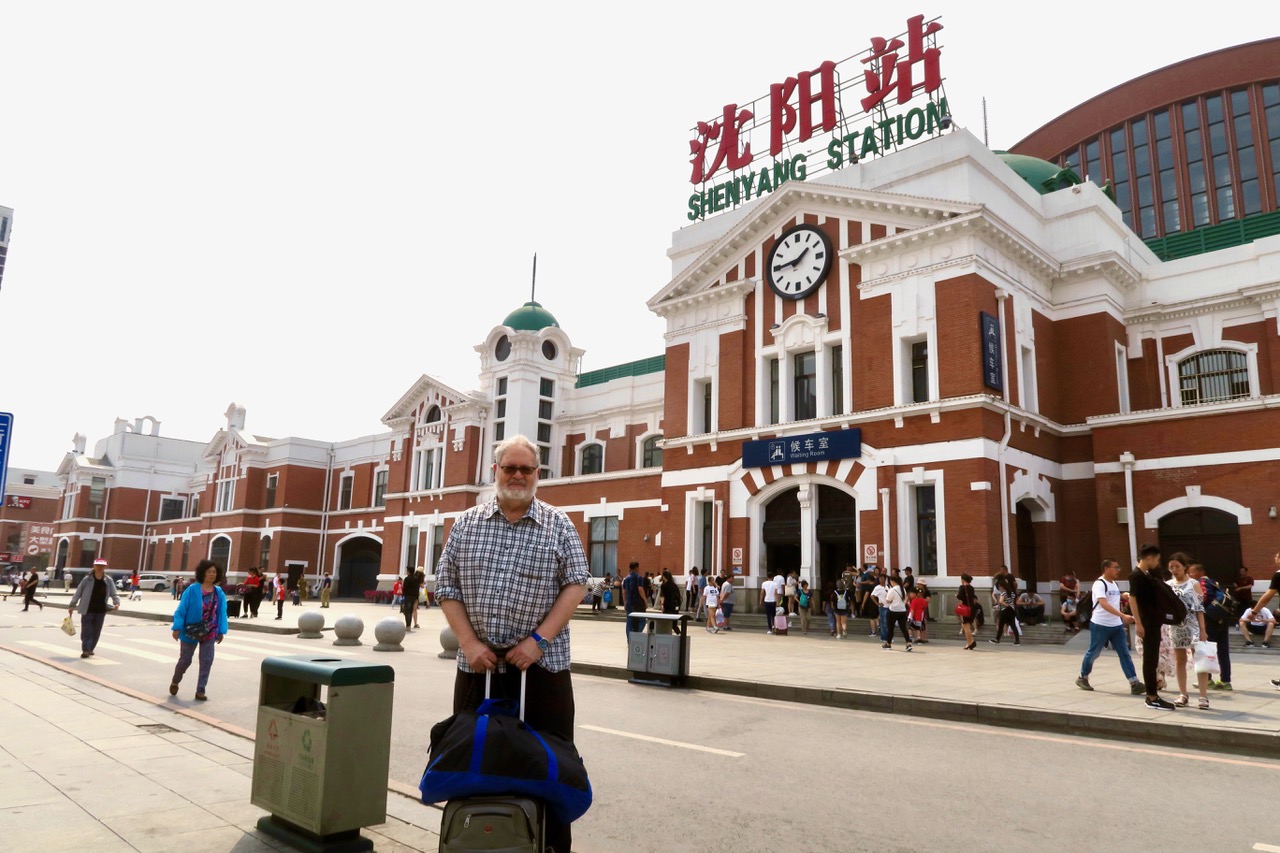
Shenyang, the provincial capital and largest city of China's Liaoning Province, offers a veritable feast for history buffs and gourmands.
Over the centuries, the Chinese city of Shenyang has gone by many names, including Shenzhou, Shenjing, Mukden – a corruption of the Manchu word mukdembi, meaning "to rise" – and Fengtian, pronounced Hoten in Japanese. From Japan, this dynamic city of about 10 million people is convenient to get to – a roughly three-hour flight from Narita. Last December I made my third visit there since 2018.
I find myself drawn back to this place, which has figured prominently in China's history, particularly major events that occurred in the first half of the 20th century.
During the Russo-Japanese war of 1904-05, the land conflict moved inland from Port Arthur to culminate in the battle of Mukden. Fought in bitter cold from 20 February to 10 March, the munitions expended during the 20-day battle exceeded the scale of the six-month long Franco-Prussian War of 1870-71, which is no wonder some historians refer to it as "World War Zero".
Japanese forces, led by generals Iwao Oyama and Maresuke Nogi, defeated a larger but disorganized Russian army, which retreated toward the Amur, the river forming the two countries' boundary.
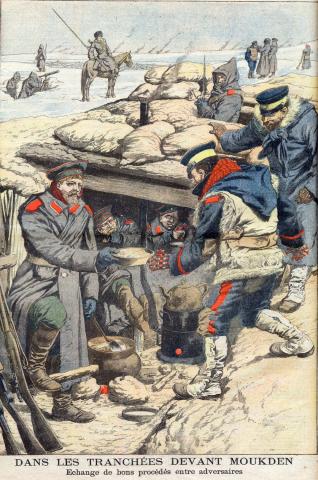
The Treaty of Portsmouth, signed September 5, 1905, ended the fighting and awarded Japan Russia's lease on the Liaodong Peninsula, control of the Russian-built South Manchuria Railway and the southern half of the island of Sakhalin. Japan poured funds into the Mantetsu (South Manchuria Railway), expanding from a railway into a huge conglomerate operating freight, agriculture, mines, hotels and a brain trust, among other enterprises. By the 1920s, the company provided for over a quarter of the Japanese government's tax revenues and Mantetsu was compared to Britain's East India Company of yore.
In 1938, Mukden's population reached 772,000, including approximately 90,600 Japanese and 17,500 Koreans.
The old red brick Mukden rail station – now called Shenyang South – still stands. Several blocks away is a traffic circle formerly called Naniwa Hiroba that once displayed a victory monument from the Russo-Japanese War. It was replaced decades later by a statue of PRC founder Mao Zedong, erected during China's Cultural Revolution (1966-1976).
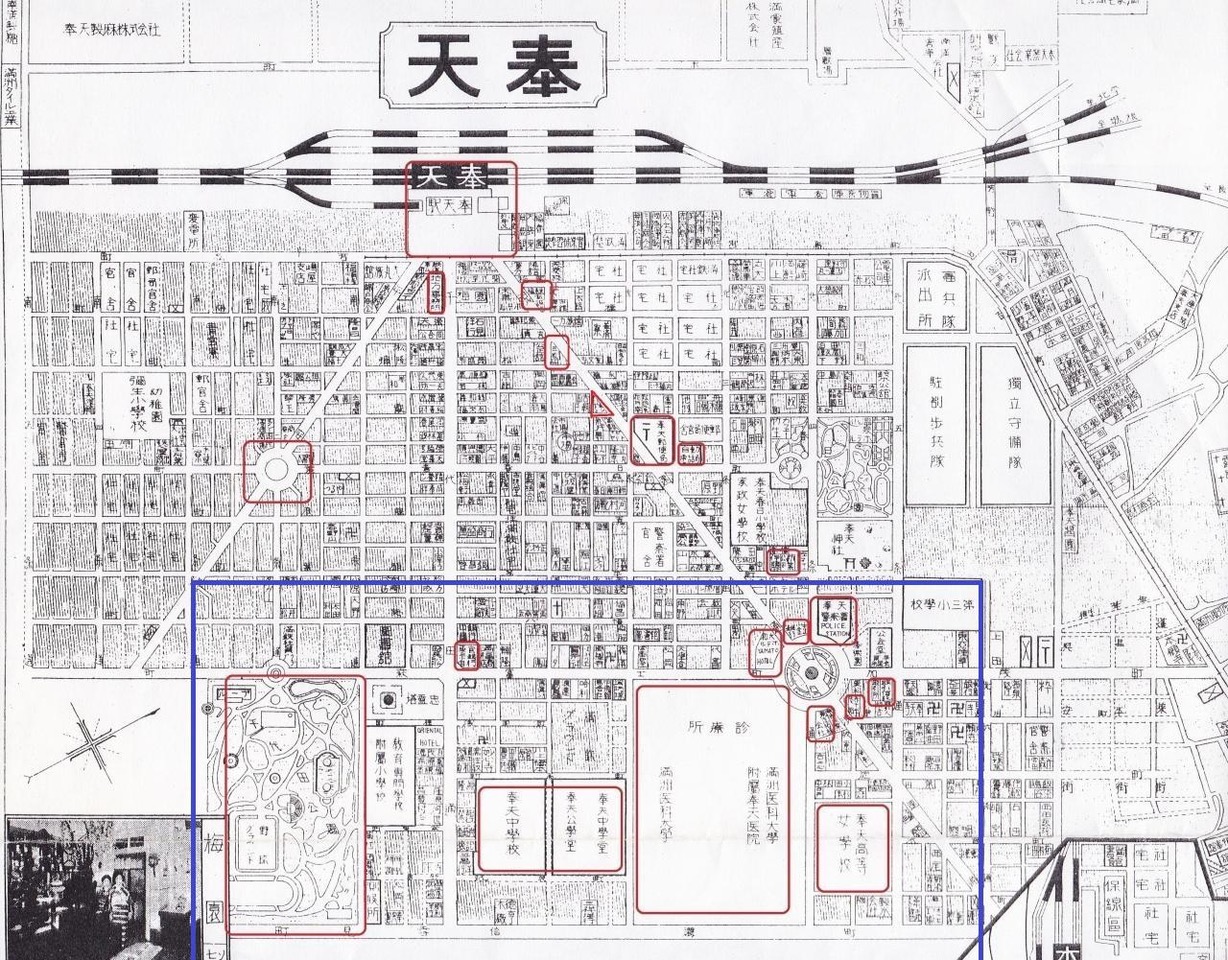
Among the historic buildings surrounding the circle is the former Yamato Hotel, one of a group built by Mantetsu and now called the Liaoning Hotel.
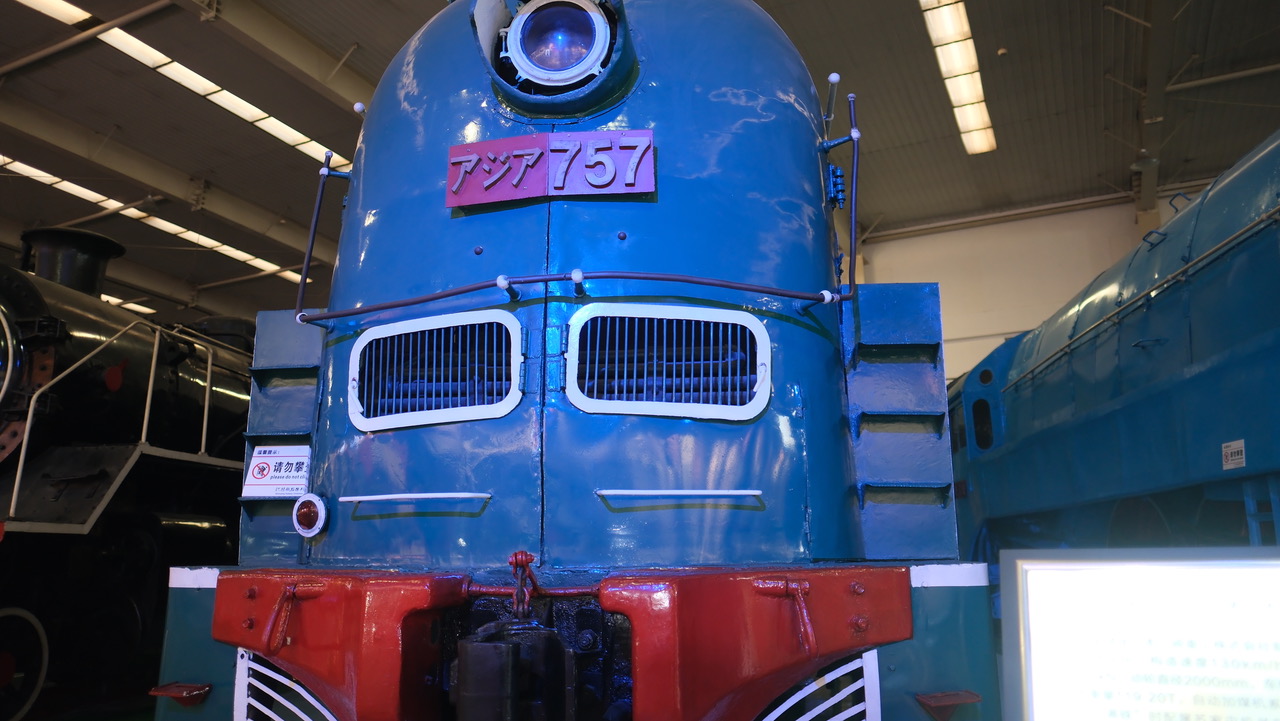
Railroads have figured in much of northeast China's modern history. While off the beaten track, the Shenyang Railway Museum is definitely worth a visit to see two Pashina locomotives that pulled Asia's fastest train, the Asia Express, which from November 1934 connected the cities of Dairen (Dalian) and Shinkyo (Changchun). Air conditioning was provided to passengers in all three classes.
From 1957, bureaucrat Shinji Sogo, a former director at Mantetsu, began to campaign for a high-speed railway linking Tokyo and Osaka. Today, Sogo is acknowledged as the "father" of the Shinkansen.
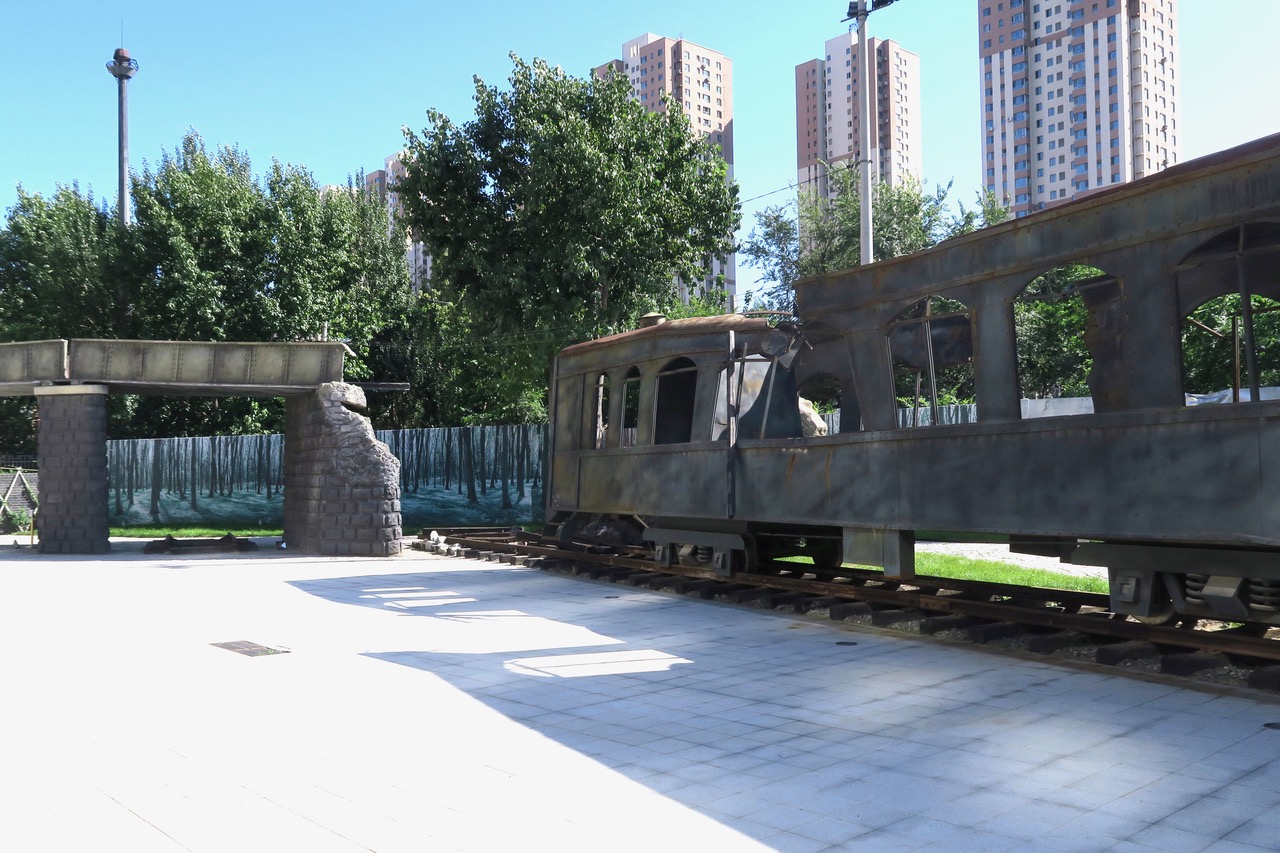
The city's Huanggutun district has become synonymous with the assassination of warlord Zhang Zuolin (1875-1928). Behind the small museum, a burned-out, mangled railway car recreates the scene of the explosion at the hands of the Japanese Kwantung Army, which feared Zhang would support Chiang Kai-shek's moves toward an alliance with the Soviet Union. Around dawn on June 4, 1928, while returning from Beijing, Zhang's private railway car was destroyed by a powerful bomb attached beneath an overhead trestle. He died four days later.
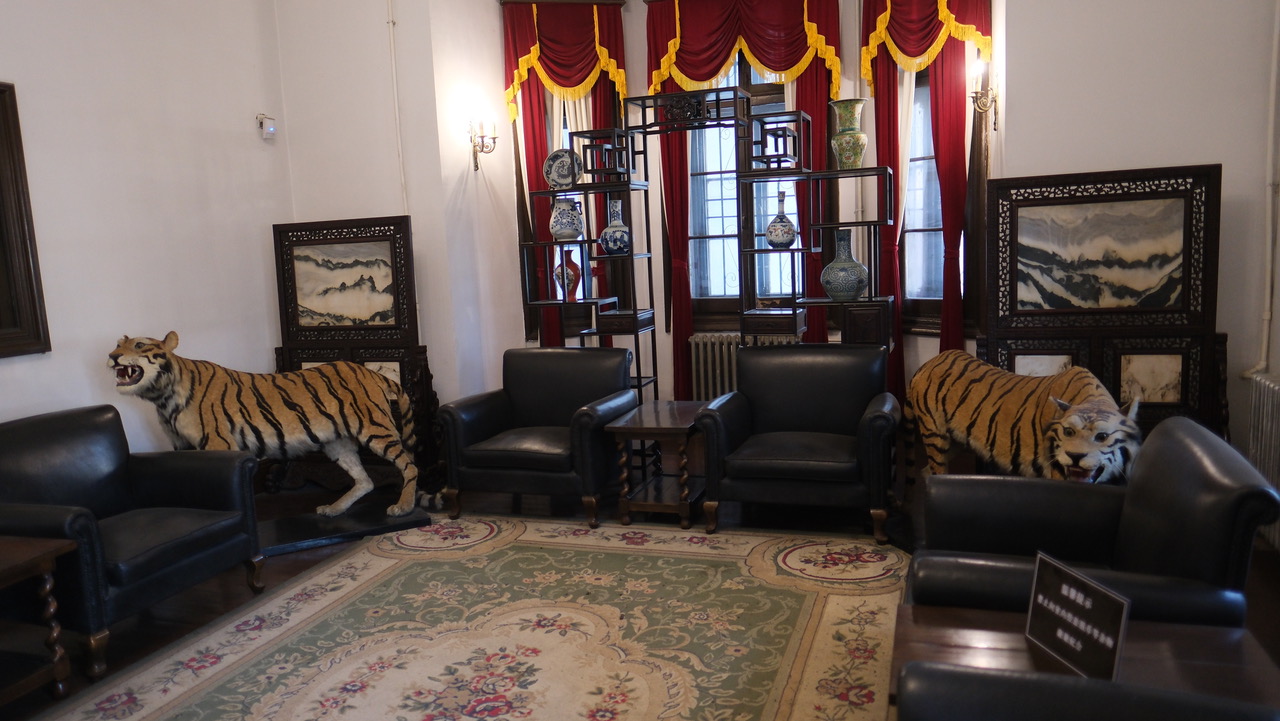
Zhang's sprawling mansion near the old Imperial Palace is one of Shenyang's most popular tourist sights. It's composed of a complex of older, Chinese-style, one-story buildings and an imposingly large western-style building.
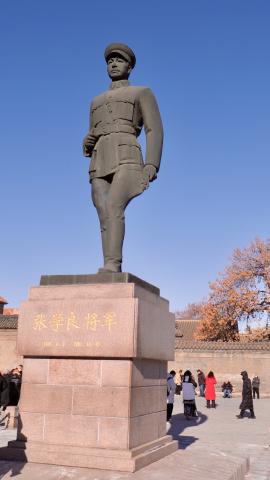
The "Old Marshal" Zhang was succeeded by his son, Zhang Xueliang, who lacked his father's military acumen and knew better than to challenge Japanese power. The "Young Marshal" is mainly remembered for his role in the Xian Incident, in which he arranged for the abduction of Kuomintang leader Chiang Kai-shek in December 1936. Under coercion, Chiang agreed to halt his military campaign against the communists and join forces to resist Japan's incursions. As punishment for this act of patriotism, Zhang spent the next 50 years under house arrest. He outlived his tormentors, finally dying in Hawaii in 2001. Today he is venerated by Chinese as a selfless national hero.
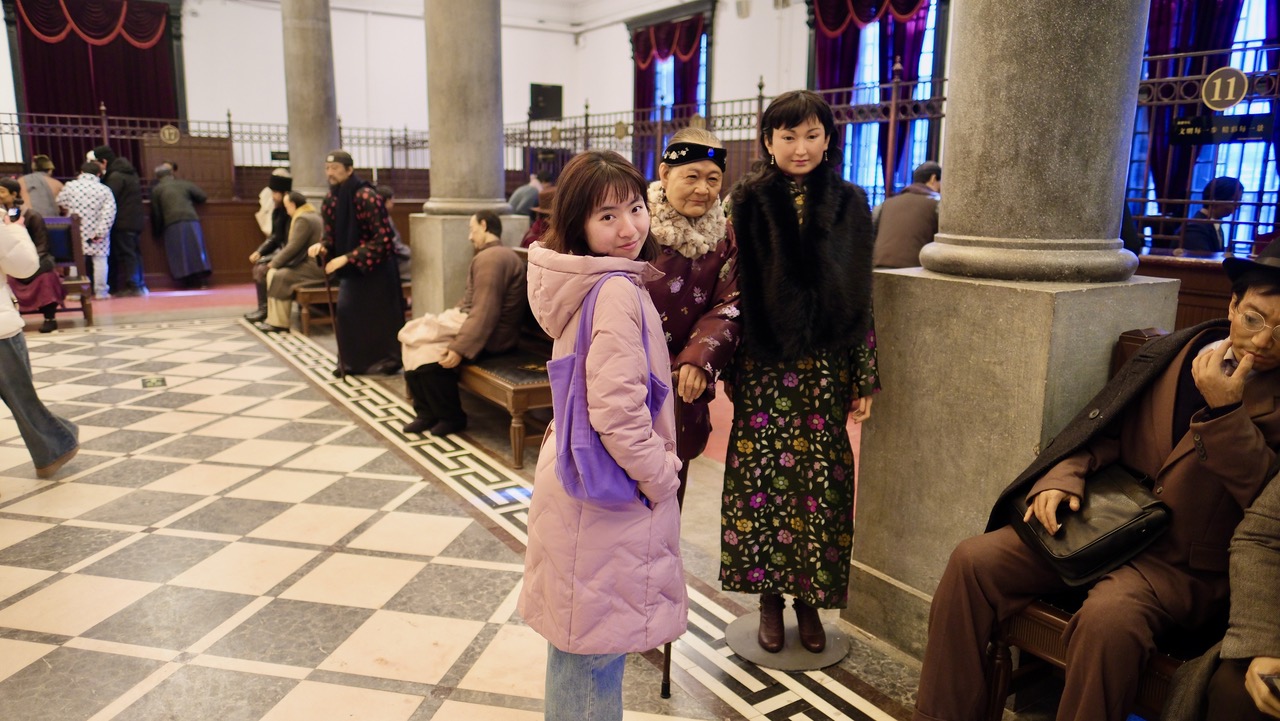
Just outside the rear exit of Zhang's palace is the Shenyang Financial Museum. Formerly the Bianye Bank, it has been transformed into a museum that traces the evolution of currency, trade and international finance.
On September 18, 1931, railways were once again in the news when Japan's Kwantung Army, acting independently of the Tokyo government, conducted a false-flag operation in which a bomb was detonated on a section of the Mantetsu. Known as the Liutiaohu Incident or Mukden Incident, the bomb, which caused negligible damage and no injuries, was used by Japan's military to justify an attack the next morning on Chinese troops of the National Revolutionary Army, destroying the Beidaying barracks.
The 918 Museum opened on September 18, 1999, the 68th anniversary of the Mukden Incident. Covering a floor area of 35,000 square meters, it features seven halls exhibiting hundreds of pictures and material objects, along with documentation and scenes depicting Chinese resistance. Every year at 9:18 a.m. on September 18, the day of national humiliation is remembered as sirens sound and traffic comes to a halt.
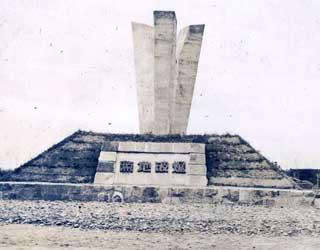
In 1938, a 7-meter-tall concrete marker was erected at the site of the bomb detonated by the Kwantung Army. 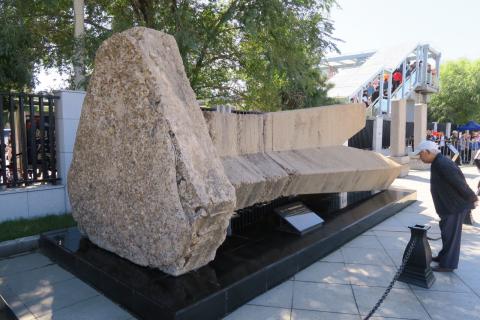
Turned on its side to symbolize defeat, the same marker on display outside the September 18th Museum.
By the end of September 19, the Kwantung Army occupied Mukden at the cost of 500 Chinese lives and only two Japanese dead. Within five months, all resistance had been quelled and Japan's military occupation of the three provinces was complete. On March 1, 1932, the puppet state of Manchukuo was founded with Changchun (renamed Xinjing or new capital) as its capital and Aisin-Gioro Henry Puyi, the last Qing emperor, installed as emperor. A year later, neighboring Jehol (Rehe) province was annexed, and the Empire of Manchuria was proclaimed on March 1, 1934; it would exist for slightly more than a decade.
One curious aspect of the newly founded nation was the semi-official status of a Japanese-based pidgin language known as Kyowa-go, which was characterized by use of aru (to be) as a particle, omission of some particles, and many loan words from Chinese. For example, “Watashi wa nipponjin desu” (I am Japanese) became “Watashi nipponjin aru yo”, and “Ojosan wa kirei desu ne” (Isn't your daughter beautiful?) became “Gu-niang kirei aru ne.”
In response to Japan's violation of its sovereignty, China's government requested intervention by the League of Nations and a five-man commission headed by Earl Victor Bulwer-Lytton spent six weeks in Manchuria investigating the claims. The commission concluded that Manchukuo could not have been formed without the presence of Japanese troops; that it had no general support locally or from China; and that it was not part of a genuine and spontaneous independent movement.
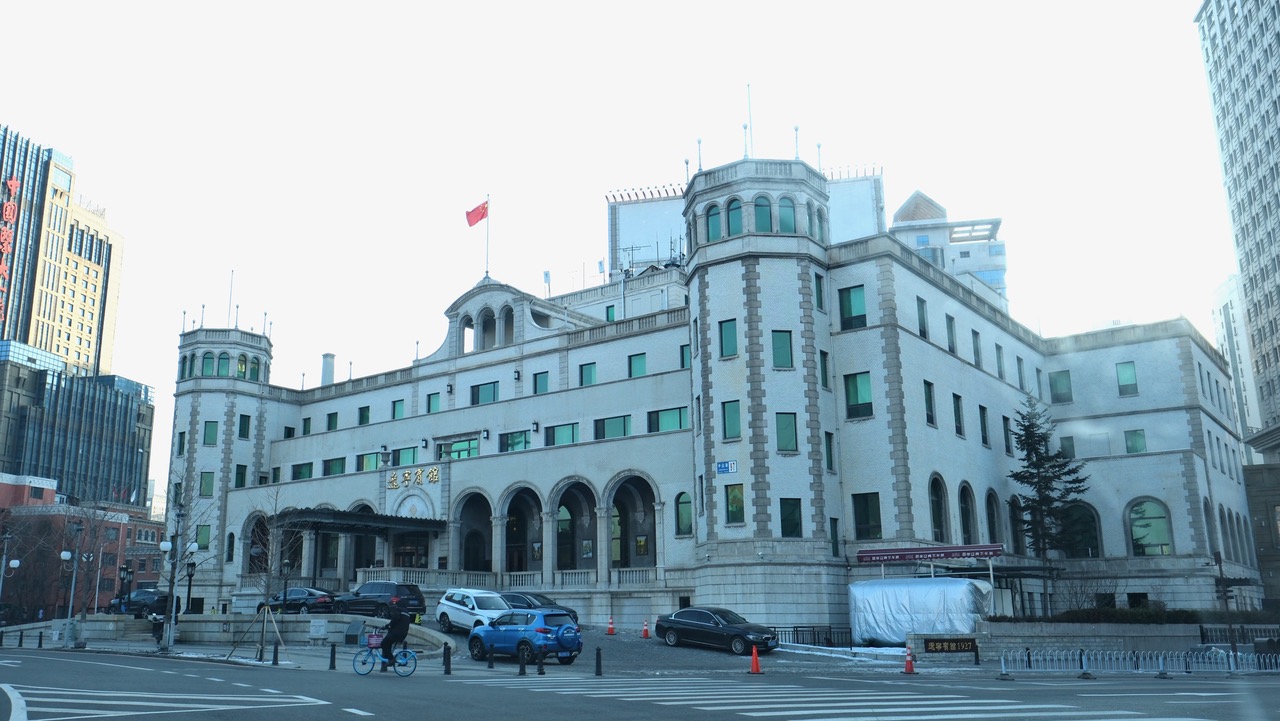
A sign in front of the Yamato hotel explains the role of "nine gentlemen" who at great personal risk influenced the report that would precipitate Japan's withdrawal from the League of Nations in 1933. It reads:
"After the September 18 Incident, [China's] government pinned its hopes on the mediation of the League of Nations. In April 1932, an investigation commission ... came to Shenyang and stayed in the Yamato Hotel beleaguered by Japanese spies. (Communist) party members Gong Tianmin (and eight others) ... known as "nine gentlemen," risked their lives to collect evidence and ... handed it to the ... commission. Accordingly, in February 1933, the general assembly of the League of Nations ruled that Japan's launch of the September 18 Incident was an erroneous act that undermined the Charter of the League of Nations."
In Geneva on February 24, 1933, the report was approved by 42 votes to one. Japan's chief delegate and future Foreign Minister Yosuke Matsuoka angrily exclaimed, "Japan will oppose any attempt at international control of Manchuria. It does not mean that we defy you, because Manchuria belongs to us by right." He added: "Read your history. We recovered Manchuria from Russia. We made it what it is today." Matsuoka then led the Japanese delegation out of the assembly and a month later Japan officially withdrew from the League of Nations.
I also paid a visit to the Shenyang WWII Allied Prisoners Camp Site Museum. Originally known as the Mukden POW Camp, between November 1942 and the war's end the camp held more than 2,000 POWs from the U.S., the U.K., Australia, the Netherlands, Canada and France. What remains of it today are a watch tower, one of the barracks, the office of the Japanese commander and a few other facilities. It is the said to be the best-preserved of the 18 central POW camps set up by Japan across its homeland and occupied territories during the war.
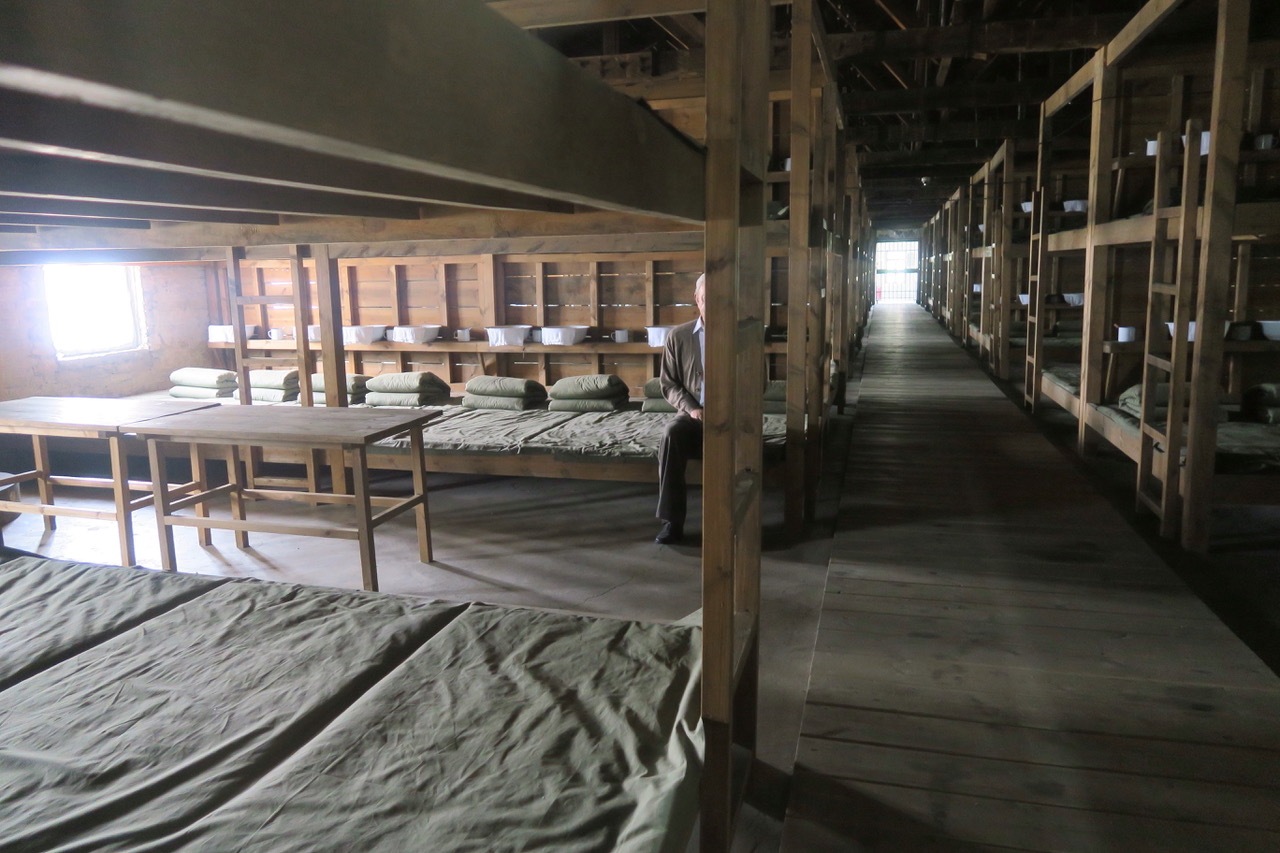
A museum displays the prisoners' uniforms and objects that gave insights into their lives during captivity. Many prisoners, without adequate food and warm clothing, did not survive the brutally cold winters. Yet as atrocious as its conditions were, the Hoten-Mukden camp was regarded as a model facility by Japanese standards and considered better than many other camps.
Shenyang affords several good reasons for extending one's stay for an extra day or two.
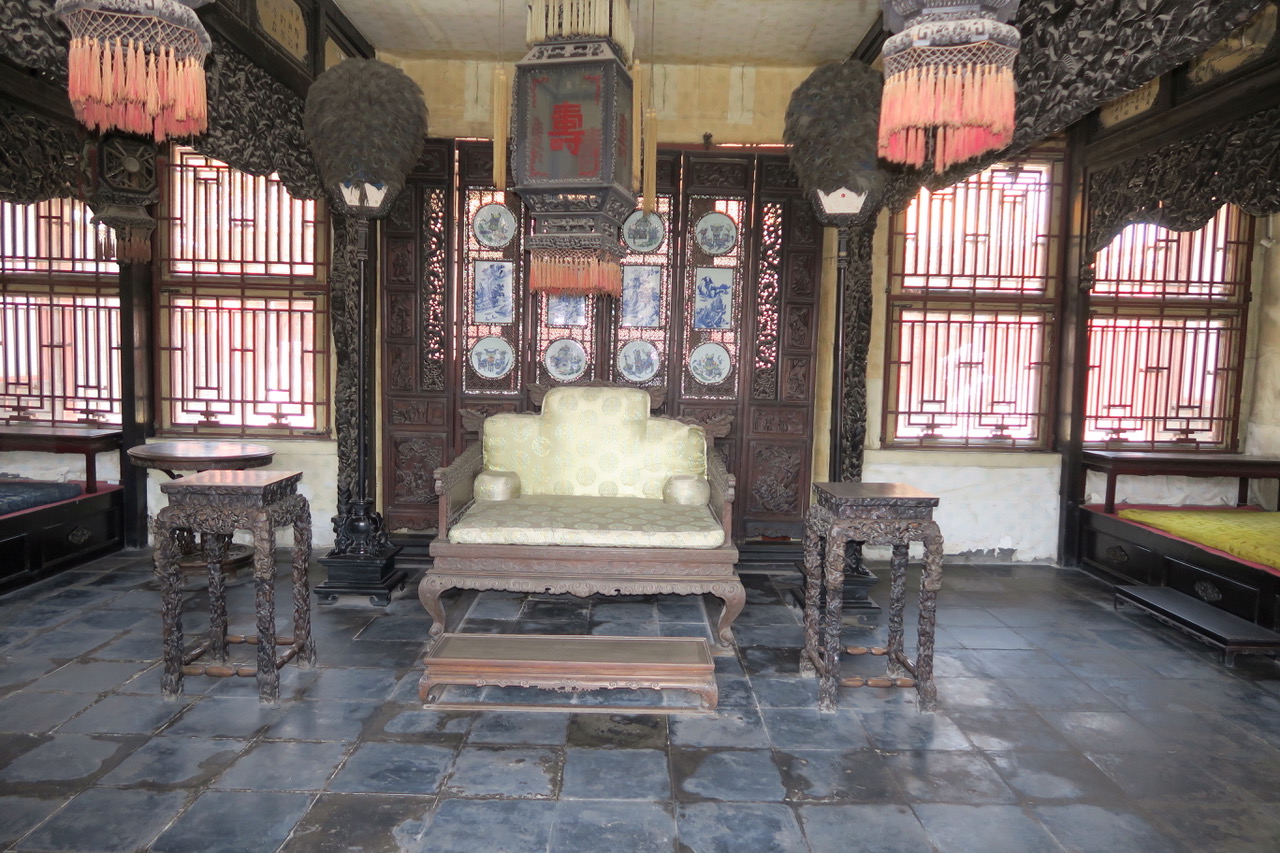
The Shenyang Imperial Palace Museum, a UNESCO World Heritage site, was home to the Qing Dynasty's first three emperors and used by others on occasion. It covers an area of around 60,000 square metres, with over 300 buildings and 20 courtyards - or about one-twelfth the size of the Forbidden City in Beijing.
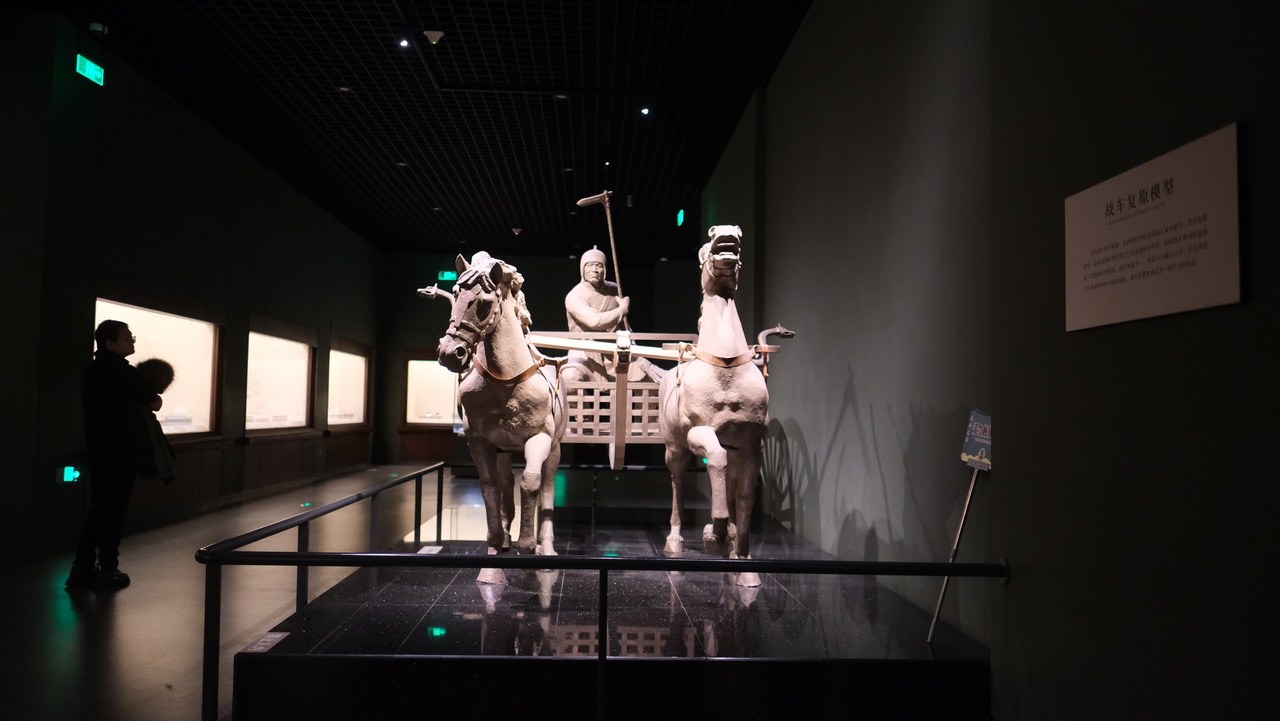
The Liaoning Provincial Museum, located in a newly developed suburb, is divided into sections devoted to the region's long history and other showing specially planned exhibits, such as graphic arts, brush calligraphy and ceramics.
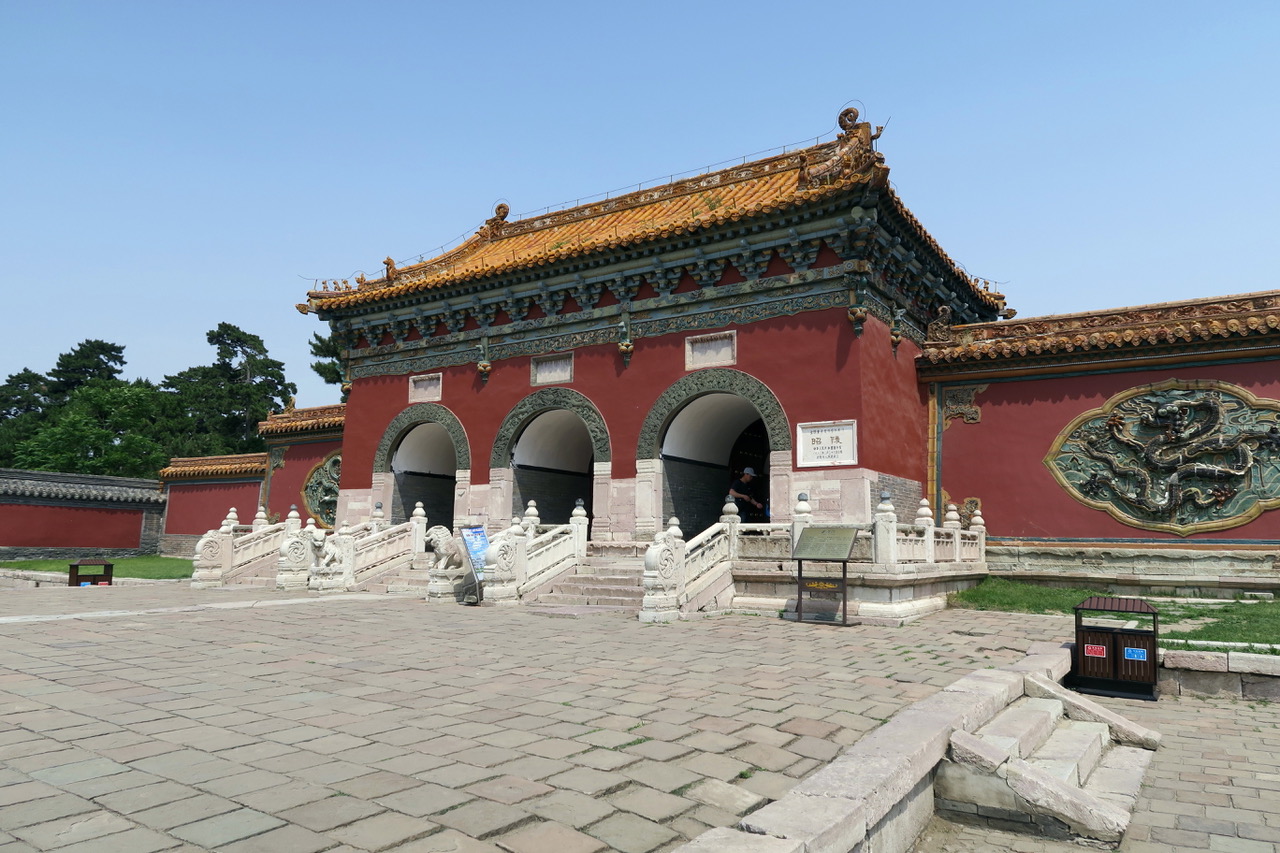
Time and weather permitting, a visit can be made to the Zhao Mausoleum, which houses the tomb of Hong Taiji (1592–1643), the founding emperor of the Qing Dynasty. His tomb and surrounding park area are massive in scale and as photogenic as the Ming-era tombs in Beijing and Nanjing.
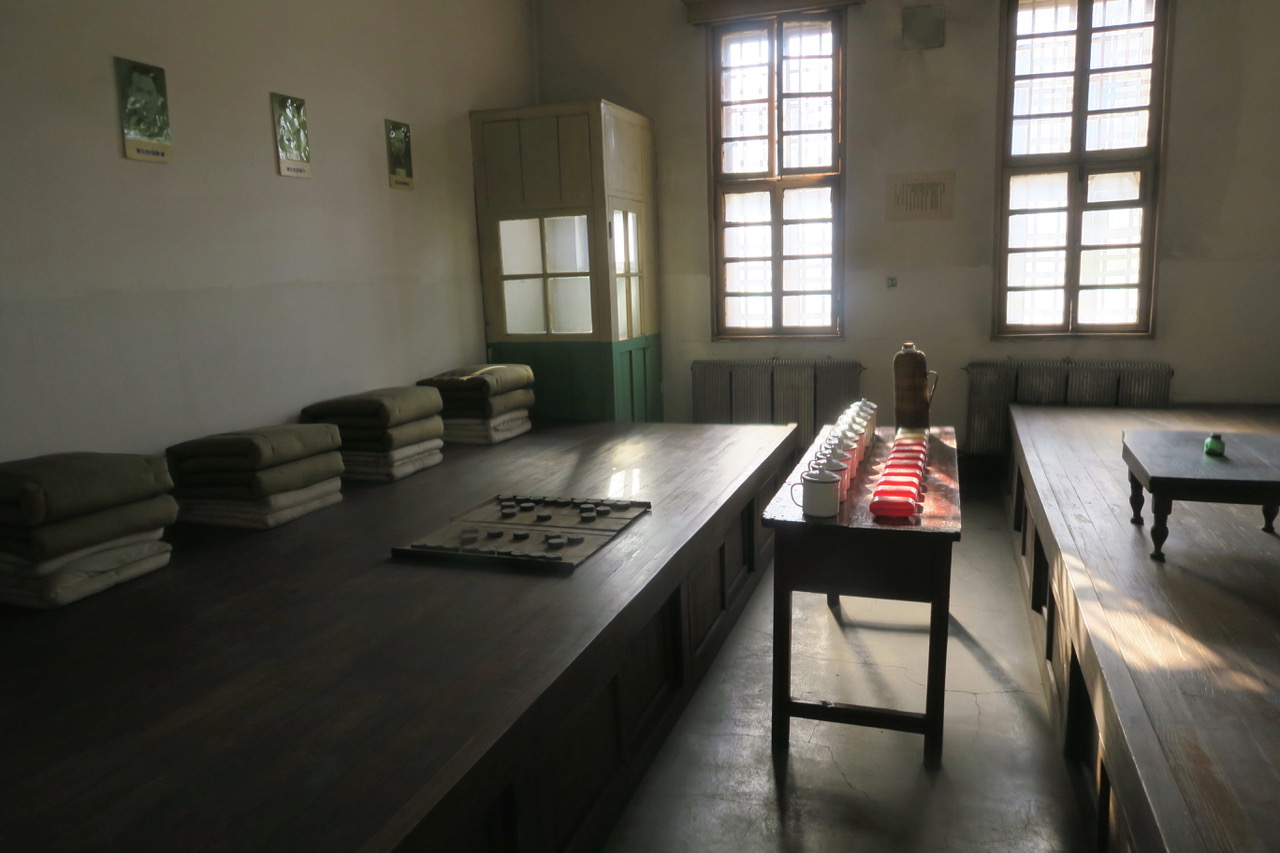
Shenyang is also the jumping off point for nearby attractions. Fushun City, about an hour by car from Shenyang, has preserved the museum for war criminals, where Japanese general officers and collaborators, including Henry Puyi, of Last Emperor fame, spent years repenting their wrongdoings.
A couple of hours away by car is Hetu Ala, a theme park containing a reconstructed Manchu settlement. The park also features a museum showing the evolution (particularly with regard to in shrinking hemlines) of the qipao, the correct name for a Manchu women's garment, called cheongsam in the West.
No introduction to Shenyang would be complete without a mention of its cuisine. My Chinese hosts treated me to fine dining at several high-class establishments, where guests are seated in private rooms, some of which are even equipped with their own lavatory facilities.
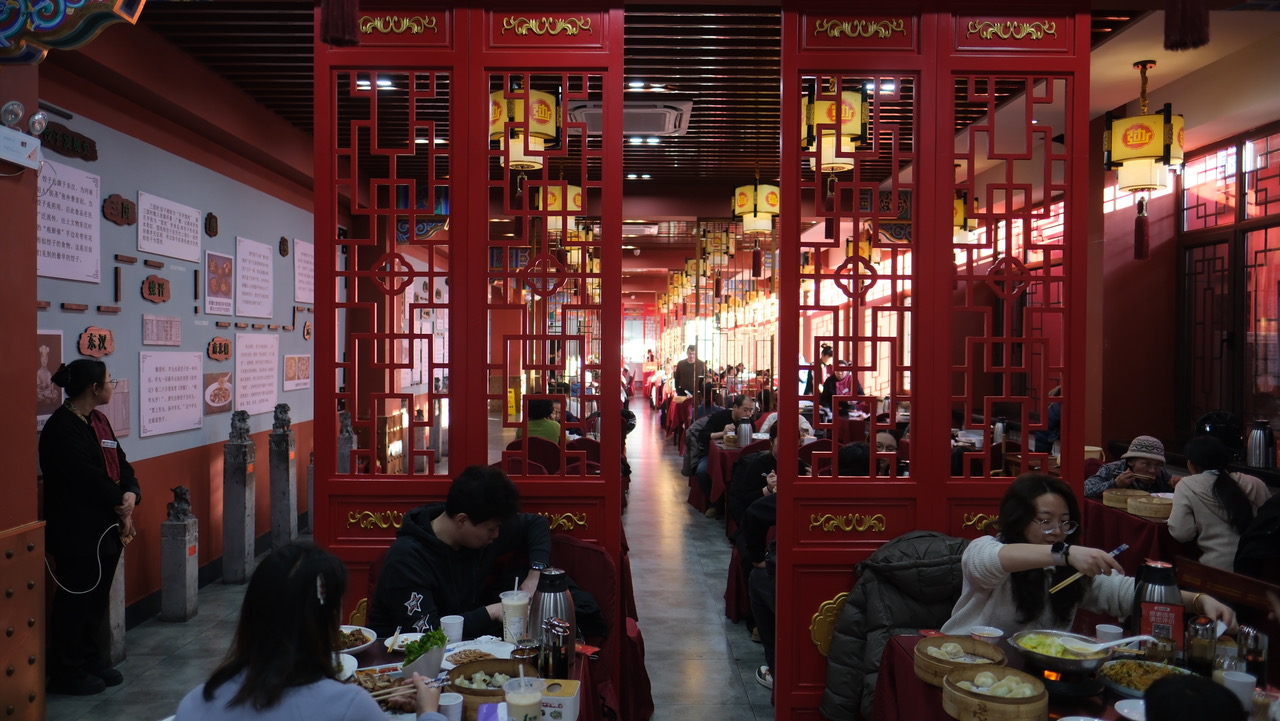
Lao Bian Jiaoziguan is a Shenyang landmark whose founder, Bian Fu, is credited with creating jiaozi (gyoza) dumplings. By 1870 Bian Fu's son, Bian Degui, changed from the original fried fillings to a mix of fried fillings and soup, making the fillings looser, more tasty and easier to chew, and thus setting the standard for others to emulate. Chinese make a distinction between the boiled and fried varieties, with the latter referred to as guotie (literally, pot-stickers).
I also enjoyed a sumptuous lunch at Li Liangui, which serves a Shenyang standby said to date back to 1842. Thin slices of cooked meat (mutton, beef or pork) are dipped in plum sauce and inserted into a large, toasted pancake together with slices of leeks. The recipe was inspired by a doctor of traditional Chinese medicine (TCM), who found that smoking pork with TCM ingredients made the meat crispy and fatty but not greasy. In 1950, Li Liangui’s third-generation descendent, Li Chunsheng, opened the first pancake restaurant on Shenyang's Zhongjie Street. Its cuisine has won many awards.
Before leaving, I also waddled over to Shenyang's large Korean enclave, called Xita, for a tasty dinner of Korean cuisine. I sensibly put myself on a strict diet the day after returning home.
For those interested in the history of Manchuria, Mark Schreiber heartily recommends travel to Liaoning, Jilin and Heilongjiang provinces, which are easily accessed from Japan and full of fascinating historical landmarks. He hopes to write more on this topic in the future.
